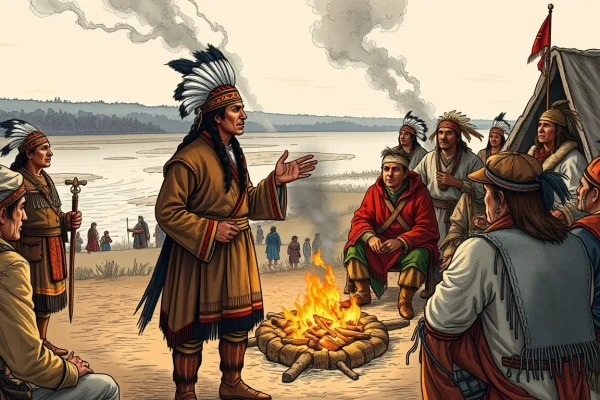
Tecumseh’s Confederacy Explained

Tecumseh’s Confederacy was a pan-Indigenous political and military alliance formed in the early 19th century by Shawnee chief Tecumseh and his brother Tenskwatawa. Its goal was to resist American expansion and protect Indigenous lands. The confederacy allied with the British during the War of 1812 and collapsed after Tecumseh’s death at the Battle of the Thames in 1813.
Read More →

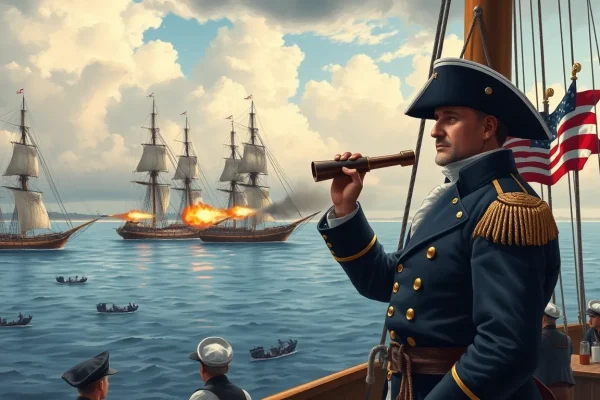
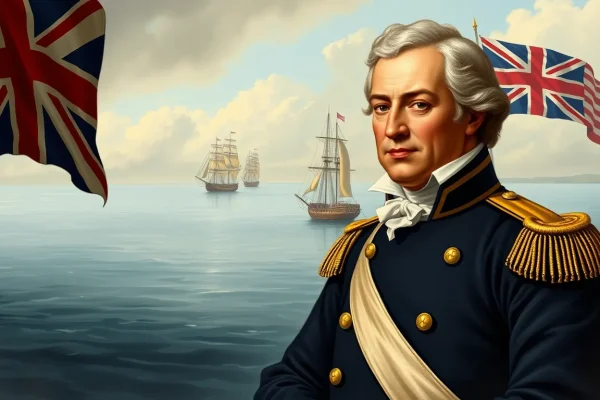
James Lucas Yeo and the War of 1812

Sir James Lucas Yeo commanded the Royal Navy on the Great Lakes during the War of 1812, leading British naval forces on Lake Ontario in a campaign of shipbuilding, blockade, and occasional combat against American commodore Isaac Chauncey. His strategic caution and strained relations with Governor General Sir George Prevost shaped the naval war on the inland frontier.

Read More →

Henry Clay and the War Hawks

Henry Clay and the War Hawks were a faction of young Democratic-Republican congressmen from the South and West who pressured President James Madison to declare war on Great Britain in 1812. Their advocacy for war, rooted in grievances over impressment, trade restrictions, and frontier security, helped precipitate the War of 1812.

Read More →

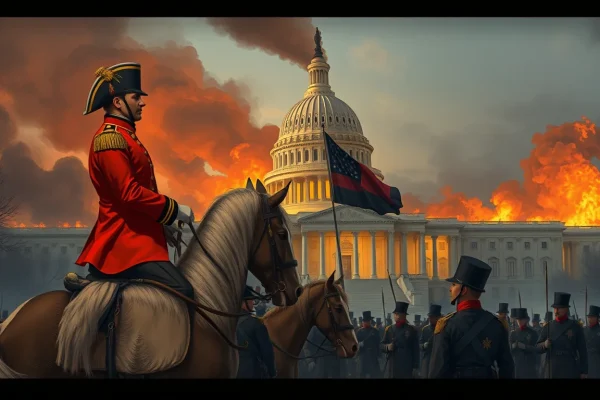
Robert Ross and the Burning of Washington

Major General Robert Ross, an Irish-born British officer, led the expedition that captured and burned Washington, D.C., in August 1814, including the White House and Capitol. His actions were retaliation for American destruction in Upper Canada and helped solidify American resolve during the War of 1812.

Read More →

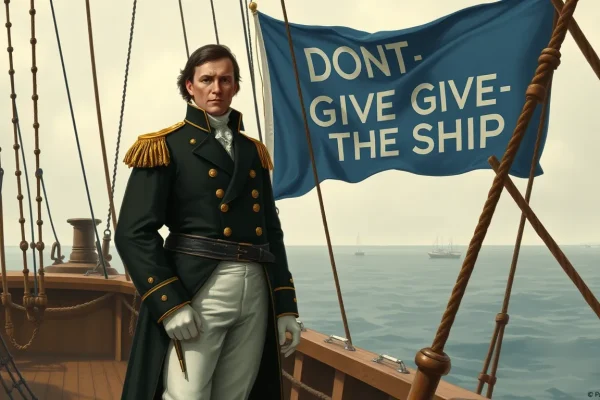
Oliver Hazard Perry

Oliver Hazard Perry (1785–1819) was a United States Navy officer who commanded American forces at the decisive Battle of Lake Erie in 1813, securing control of the lake and enabling the subsequent American victory at the Battle of the Thames.

Read More →

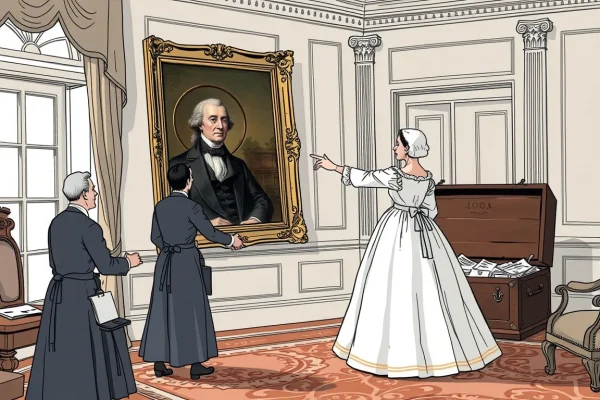
Dolley Madison During the War of 1812

Dolley Madison, First Lady during the War of 1812, famously rescued the Gilbert Stuart portrait of George Washington and cabinet papers before British troops burned the White House on August 24, 1814. Her decisive actions during the evacuation of Washington, D.C., have become a defining symbol of American perseverance and an early example of a First Lady’s public role in a national crisis.

Read More →