The Moravian Community at Moraviantown: How Did the War of 1812 Affect Civilian Life?

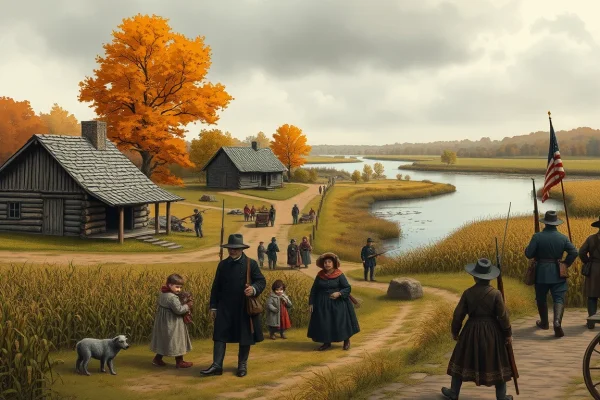
The Moravian community at Moraviantown, also called Fairfield, was a pacifist Christian Delaware settlement on the Thames River in Upper Canada. After the Battle of the Thames on October 5, 1813, American forces burned the village two days later, displacing civilians and destroying homes, farms, and mission buildings. The episode reveals how Indigenous noncombatants experienced the War of 1812 beyond the battlefield.

Read More →

The Embargo Act of 1807: Why Did Jefferson’s Trade Ban Fail?

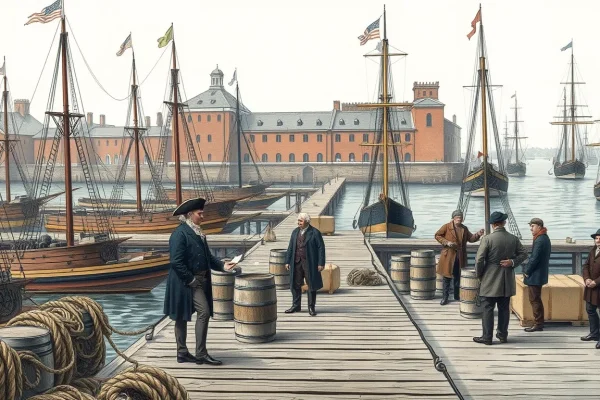
The Embargo Act of 1807 barred American ships from clearing for foreign ports, an attempt to coerce Britain and France into respecting neutral rights without war. It failed to change European policy, was widely evaded, and badly damaged the American economy. Its repeal in 1809 led to further failed commercial measures and helped set the United States on the road to war in 1812.

Read More →

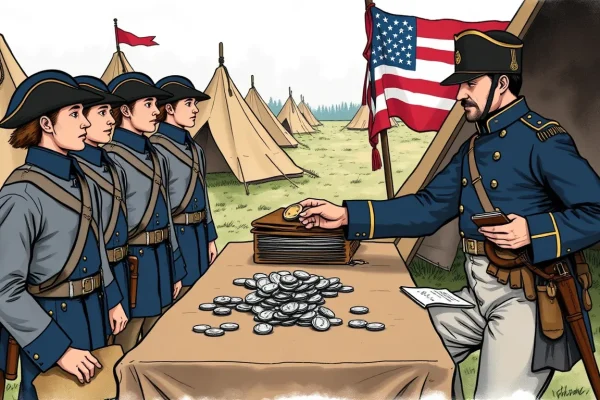
British Soldiers’ Pay and Living Conditions in the War of 1812

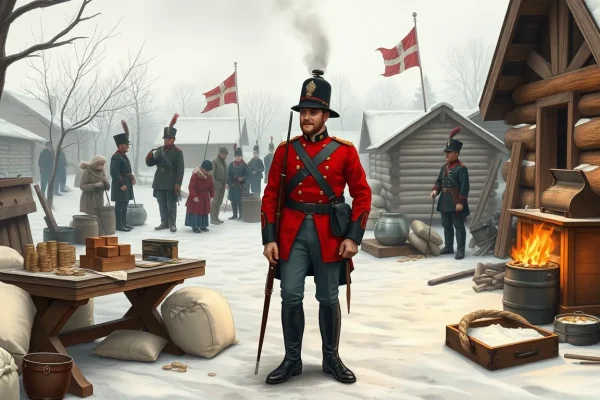
British Army regulars in the War of 1812 received about one shilling a day in gross pay, but stoppages for food, clothing, and necessaries left many privates only a few pence in cash. Their living conditions depended on barracks, huts, tents, and uncertain supply in Canada and along the American frontier. Low net pay, disease, flogging, and separation from families shaped discipline, desertion, and the army’s ability to fight.

Read More →

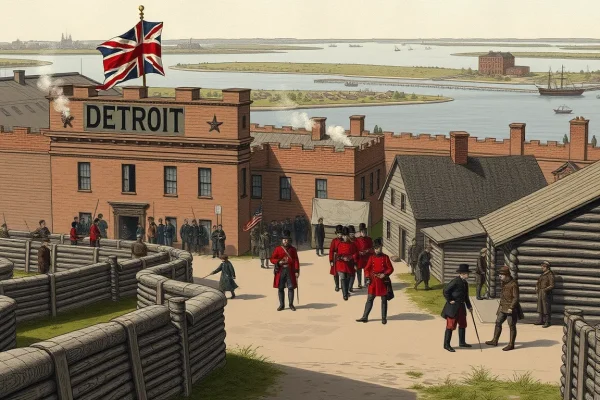
Life in Occupied Detroit: 1812–1813

From August 1812 to September 1813, the British occupied Detroit, Michigan Territory, following the surrender of General William Hull. Life in the town was marked by martial law, disrupted trade, and the presence of British regulars and Indigenous allies, until American forces reoccupied it after the Battle of Lake Erie.

Read More →

Clothing and Uniforms of the War of 1812

The clothing and uniforms of the War of 1812 reflected the practical needs, supply shortages, and national identities of American, British, Canadian, and Indigenous forces. Initial lack of standardization gave way to regulation changes in 1813, while varied materials and makeshift garments shaped the appearance and effectiveness of soldiers on all sides.

Read More →