War of 1812 Battlefields Today

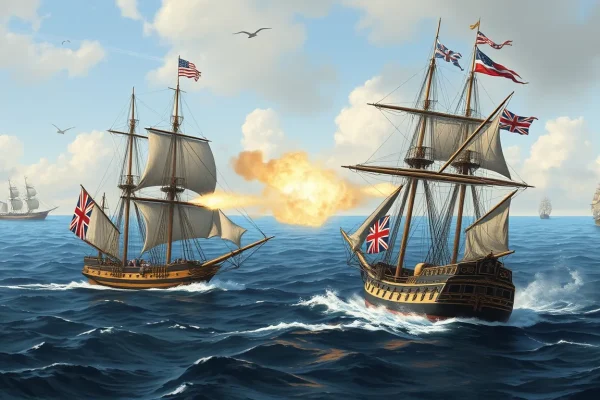
The War of 1812 left a network of battlefields across North America that are now preserved as national parks, state sites, and heritage landscapes. This article examines how these locations are managed, interpreted, and remembered today, including challenges of commemoration and Indigenous perspectives.

Read More →

Why Did Jefferson Impose the Embargo of 1807?

President Thomas Jefferson imposed the Embargo Act of 1807 to protect American ships and sailors from British and French depredations and to coerce belligerents through economic pressure without war. The policy failed, damaged the American economy, and deepened sectional divisions that contributed to the War of 1812.

Read More →

Did Dolly Madison Save George Washington’s Portrait?

During the British burning of Washington on August 24, 1814, First Lady Dolley Madison oversaw the rescue of Gilbert Stuart’s full-length portrait of George Washington from the White House, with critical help from enslaved servant Paul Jennings and others. The story, often simplified into a solitary heroic act, reveals broader contributions and evolved into a national legend.

Read More →

Why Did Federalists Oppose the War of 1812?

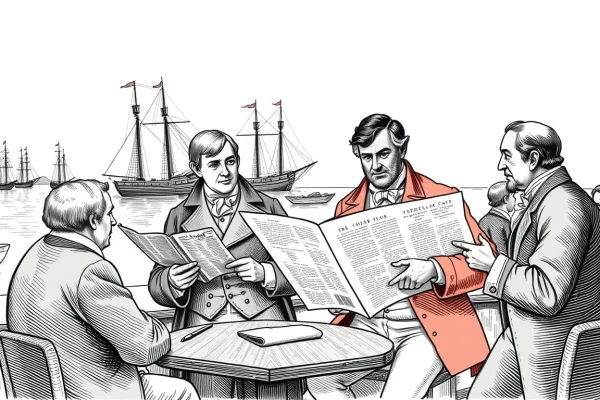
Federalists opposed the War of 1812 because they regarded it as an unnecessary conflict waged for Republican partisan advantage, commercially destructive to New England, and dangerously favorable to Napoleonic France. Their opposition ranged from near-unanimous congressional votes and state militia refusals to the Hartford Convention of 1814-15, and it ultimately discredited and doomed the Federalist Party.

Read More →

USS President in the War of 1812

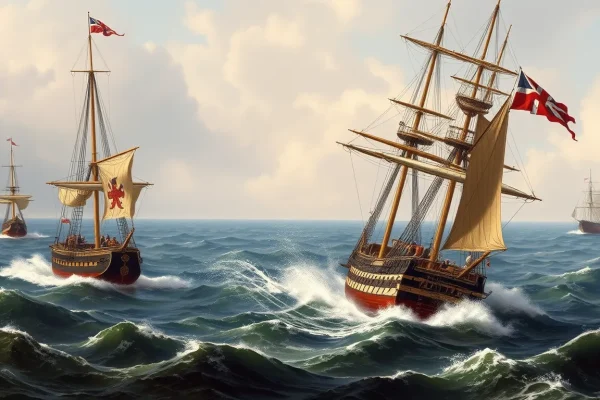
USS President, a 44-gun frigate of the United States Navy, served under Commodore Stephen Decatur during the War of 1812. After a failed breakout attempt from New York on 14–15 January 1815, she was captured by a British squadron, marking the end of major American frigate operations.

Read More →