James Madison During the War of 1812

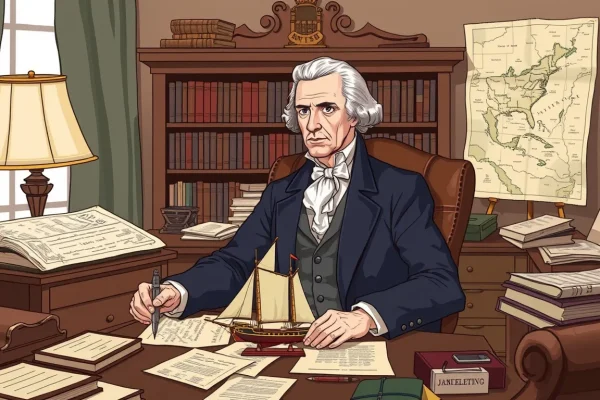
James Madison, the fourth President of the United States, led the nation through the War of 1812, from the declaration of war in 1812 to the Treaty of Ghent in 1814 and the Battle of New Orleans in 1815. His leadership was marked by early military setbacks, naval successes, the burning of Washington, and a profound transformation of Republican principles.

Read More →

The Niagara Campaign of 1814

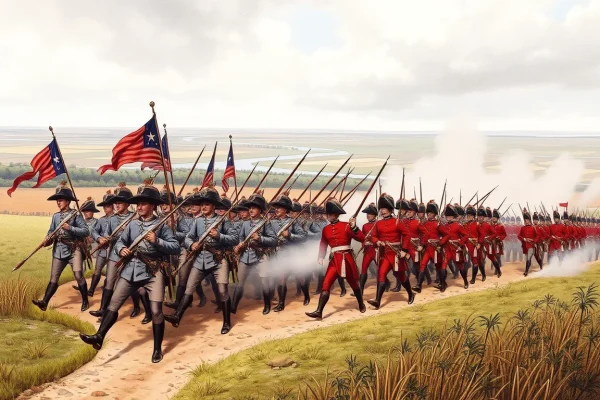
The Niagara Campaign of 1814 was the final American invasion of Upper Canada during the War of 1812, encompassing the capture of Fort Erie, the Battles of Chippawa and Lundy’s Lane, and the protracted Siege of Fort Erie, ultimately ending in an American withdrawal without territorial gain.

Read More →

The Embargo Act of 1807 and the Road to War

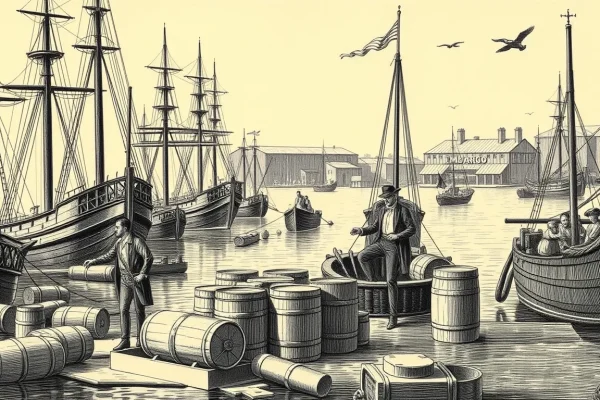
The Embargo Act of 1807 was a U.S. economic policy that prohibited American ships from engaging in foreign trade in response to British and French seizures of neutral shipping. It was intended to pressure the belligerent powers but instead damaged the American economy, fueled sectional tensions, and became a key step on the road to the War of 1812.

Read More →

The Chesapeake–Leopard Affair Explained

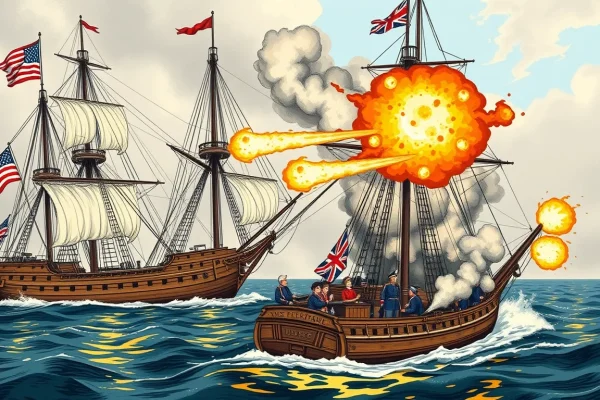
The Chesapeake–Leopard Affair was a naval incident on June 22, 1807, in which the British warship HMS Leopard attacked the American frigate USS Chesapeake off Norfolk, Virginia, after the American captain refused to allow a search for deserters. The affair inflamed American public opinion and is considered a major step toward the War of 1812.

Read More →