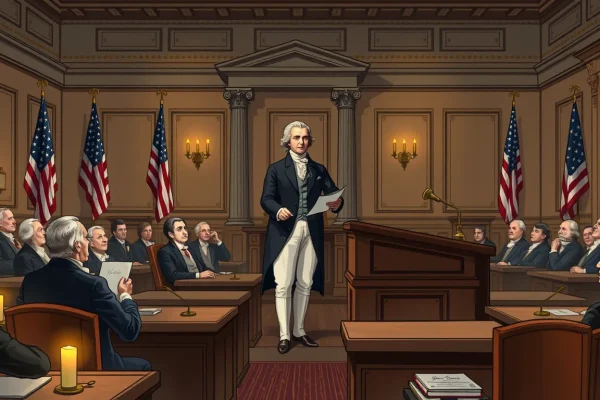
The Hartford Convention Explained

The Hartford Convention was a secret meeting of New England Federalist delegates in December 1814 to voice opposition to the War of 1812 and federal policies, ultimately proposing constitutional amendments. It marked a peak of political dissent but contributed to the Federalist Party’s decline after peace and the Battle of New Orleans.

Read More →

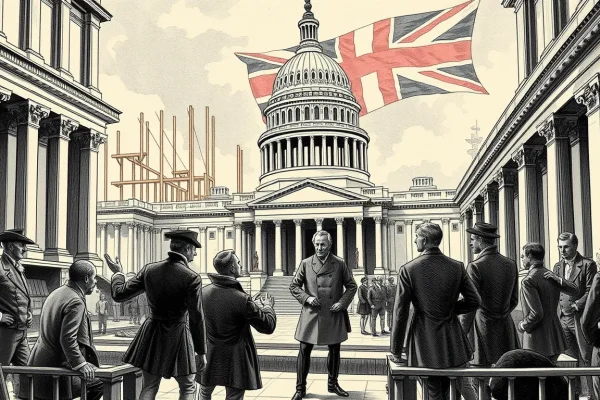
Early Attempts to End the War of 1812

Between the American declaration of war in June 1812 and the formal opening of negotiations at Ghent in August 1814, the United States, Great Britain, and Russia pursued several diplomatic overtures to end the conflict. Although all failed, these early efforts—including an American armistice proposal, a British offer of direct talks, and an initial Russian mediation—established the diplomatic framework that ultimately produced the Treaty of Ghent.

Read More →

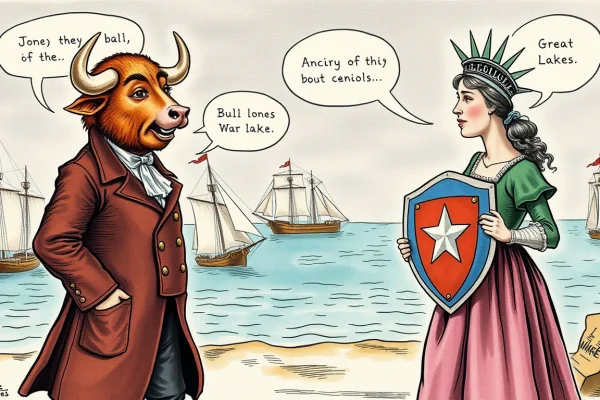
Political Cartoons of the War of 1812

Political cartoons of the War of 1812 are satirical prints that used allegory and caricature to comment on the conflict, notably by American engraver William Charles. They represent an early milestone in American political cartooning and provide a vivid record of wartime public opinion.

Read More →

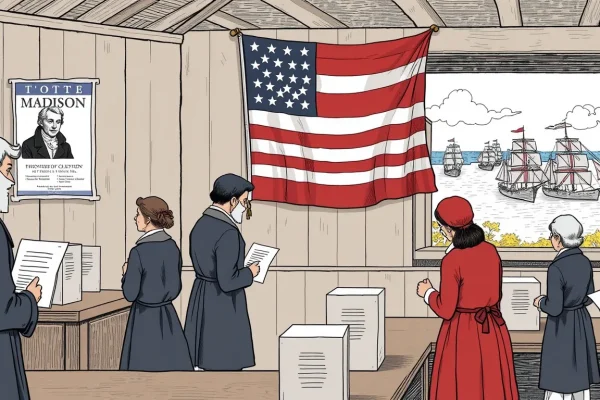
Why Was the War of 1812 So Politically Divisive?

The War of 1812 was politically divisive due to sharp party and sectional splits between Federalists, who opposed the conflict as ruinous to commerce and aid to Napoleon, and Democratic-Republicans, who saw it as necessary to defend American honor and sovereignty. The close votes in Congress, New England obstructionism, and the Hartford Convention reflected deep disagreements that shaped the war’s conduct and outcome.

Read More →