
Skip to content
1812history.com
  • Home
  • Overview
    • Causes
    • Declaration of War
    • Outcome
    • Participants
  • Timeline
    • Before 1812
    • 1812
    • 1813
    • 1814
    • 1815
  • Battles
    • Atlantic
    • Chesapeake
    • Great Lakes
    • Gulf Coast
    • Niagara Frontier
    • Northwest
  • People
    • African American
    • American
    • British
    • Canadian
    • Indigenous
  • Naval War
    • Blockade
    • Naval Tactics
    • Privateers
    • Ships
  • Perspectives
    • African Americans
    • Britain
    • Canada
    • Indigenous Peoples
  • Society
    • Daily Life
    • Civilians
    • Politics
    • Slavery and Freedom
    • Trade
  • Documents
    • Letters
    • Military Reports
    • Newspapers
    • Proclamations
    • Speeches
    • Treaties
  • Aftermath
  • Research
  • About Us
    • Project History
    • Editorial Policy
    • Sources & Citation Policy
    • Research Standards
    • Corrections Policy
    • Image Credits

Recent Posts

  • John Vincent: The British Commander Who Escaped Fort George
  • Shipbuilding with Green Timber: How Freshwater Warships Were Constructed
  • Signal Officers in the War of 1812: Roles, Methods, and Impact
  • Did the Battle of New Orleans Influence the Ratification of the Treaty of Ghent?
  • After the War of 1812: How Britain Abandoned Its Native American Allies

Recent Comments

No comments to show.

Archives

  • November 2026
  • October 2026
  • September 2026
  • August 2026
  • July 2026
  • June 2026
  • May 2026
  • April 2026
  • March 2026
  • February 2026
  • January 2026

Categories

  • 1812
  • 1813
  • 1814
  • African American
  • African Americans
  • Aftermath
  • American
  • Battles
  • Before 1812
  • Blockade
  • Britain
  • British
  • Canada
  • Canadian
  • Causes
  • Chesapeake
  • Civilians
  • Daily Life
  • Declaration of War
  • Documents
  • Great Lakes
  • Gulf Coast
  • Indigenous
  • Indigenous Peoples
  • Letters
  • Military Reports
  • Naval Tactics
  • Naval War
  • Newspapers
  • Niagara Frontier
  • Northwest
  • Outcome
  • Overview
  • Participants
  • People
  • Perspectives
  • Politics
  • Privateers
  • Proclamations
  • Research
  • Ships
  • Slavery and Freedom
  • Society
  • Speeches
  • Timeline
  • Trade
  • Treaties
  • Women

Speeches

Public addresses and orations.

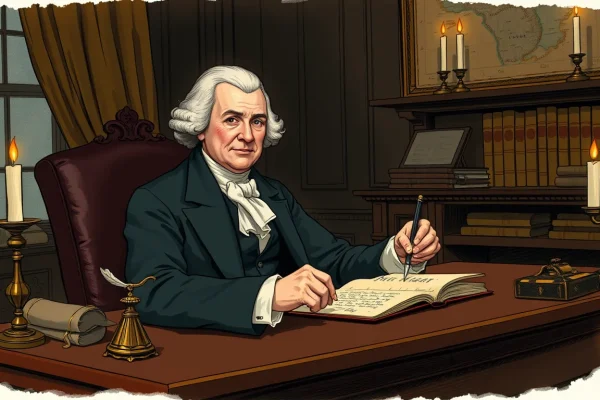
James Madison’s War Message to Congress Explained

James Madison’s War Message to Congress Explained

April 12, 2026 | Speeches | Keith Johnson

James Madison’s War Message to Congress, delivered on June 1, 1812, outlined British grievances including impressment, illegal blockades, and incitement of Indian warfare, and argued that Great Britain was already in a state of war against the United States, leading Congress to declare war on June 18, 1812.

Read More →

About This Site

The War of 1812, From Every Side

Recent Articles

  • John Vincent: The British Commander Who Escaped Fort George
  • Shipbuilding with Green Timber: How Freshwater Warships Were Constructed
  • Signal Officers in the War of 1812: Roles, Methods, and Impact
  • Did the Battle of New Orleans Influence the Ratification of the Treaty of Ghent?
  • After the War of 1812: How Britain Abandoned Its Native American Allies
  • Home
  • Privacy Policy
  • Disclaimer
  • Terms of Service
  • Contact Us
© 2026 1812history.com. All rights reserved. Powered by WordPress