Prophetstown: The Rise and Fall of an Indigenous Capital

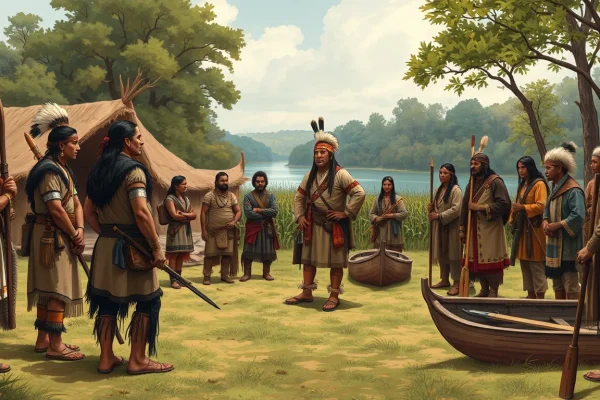
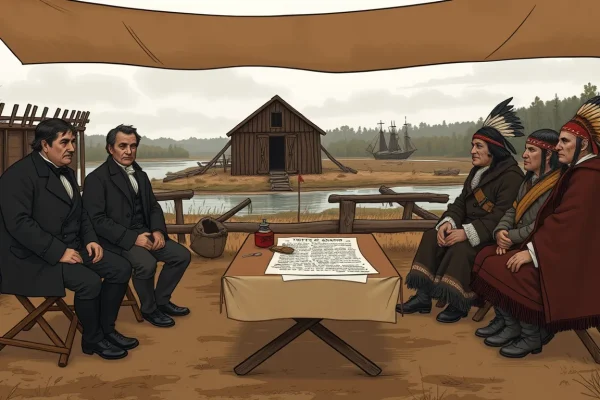
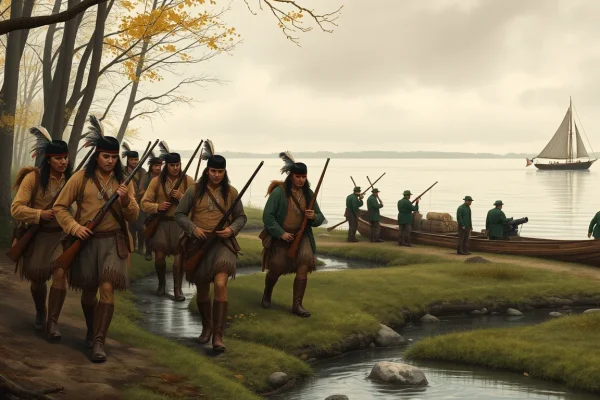
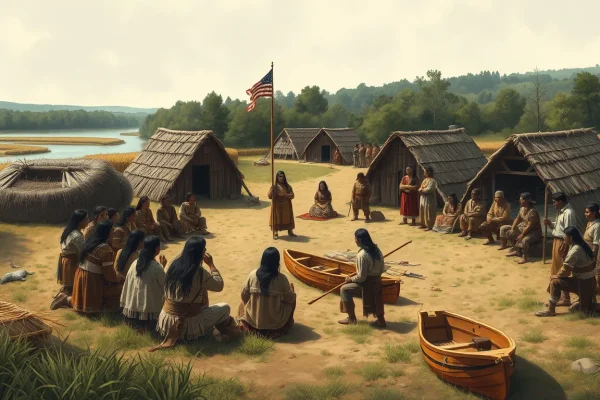
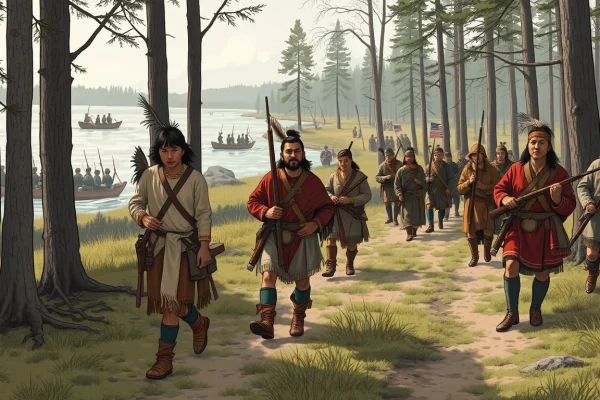
Prophetstown was a multi-tribal Indigenous settlement founded in 1808 by the Shawnee Prophet Tenskwatawa and associated with his brother Tecumseh. It served as a spiritual and political center for a nativist resistance to U.S. land cessions. U.S. forces under William Henry Harrison destroyed it after the Battle of Tippecanoe in November 1811, making its fall a precursor to Indigenous-British alliances in the War of 1812.
Read More →

How Did the British Army Supply Its Troops in Upper Canada?

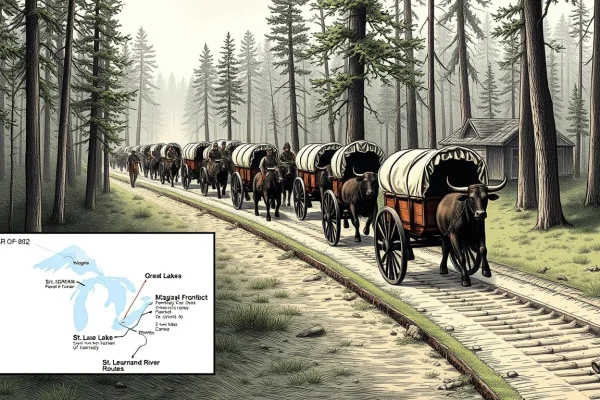
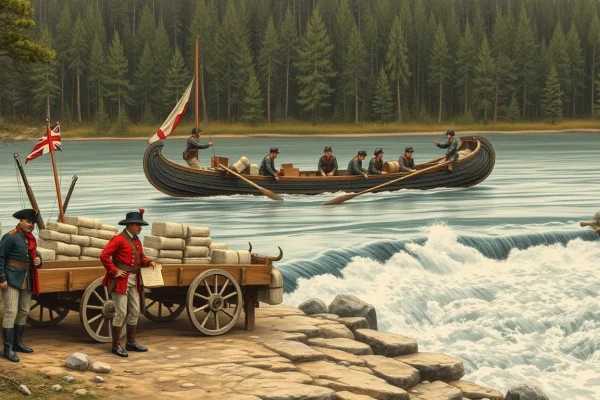
During the War of 1812, the British Army in Upper Canada depended on a fragile supply chain running from Quebec and Montreal up the St. Lawrence River to Kingston and then across the Great Lakes. The Commissariat and Ordnance departments combined local purchases, imported provisions, smuggling, and bateau transport to keep regulars, militia, and Indigenous allies in the field. Upper Canada’s small agricultural base and poor roads made shortages common, and the vulnerability of the St. Lawrence line shaped British strategy throughout the war.

Read More →

What Role Did the Ojibwe Play in the Defense of York?

The Ojibwe and allied Anishinaabe warriors, including Mississauga and Chippewa contingents, helped defend York on April 27, 1813, during the Battle of York. They served as light troops, were among the first Crown forces to engage the American landing west of the town, and fought under their own war chiefs with Major James Givins as liaison. York fell to the Americans, but the warriors’ participation is remembered at Fort York and remains central to debates about Indigenous agency in the War of 1812.

Read More →

What Role Did Mohawk Warriors Play in the Battle of Queenston Heights?

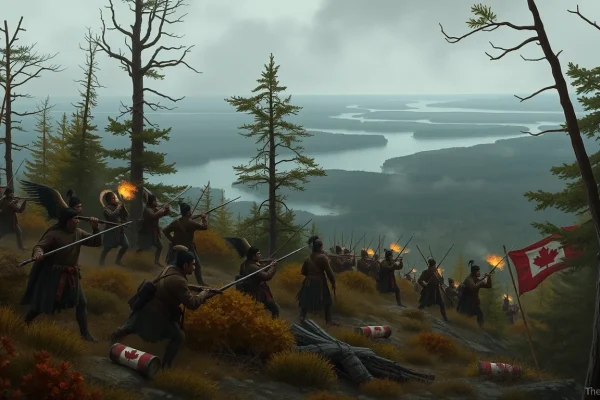
Mohawk warriors and their Haudenosaunee and Delaware allies fought with British and Canadian forces at the Battle of Queenston Heights on October 13, 1812. Led by John Norton and John Brant, about 80 Indigenous warriors used the wooded escarpment to pin down American troops after they seized the heights. Their delaying action held the American advance until British reinforcements arrived, helping secure a British victory and demonstrating the central role of Indigenous nations in the War of 1812.

Read More →

The Role of Logistics in the American Failure to Conquer Canada

The American failure to conquer Canada during the War of 1812 was fundamentally a logistical failure. Inadequate transportation networks, poor roads, and vast distances prevented the United States from sustaining invading armies, while the British, despite their own difficulties, managed to maintain their forces. This article examines how logistics shaped the northern campaigns.

Read More →

The Pan-Indigenous Confederacy: How Tecumseh and Tenskwatawa United Native Nations

The Pan-Indigenous Confederacy, often called Tecumseh’s Confederacy, was a broad but loose alliance of Indigenous nations in the Great Lakes and Ohio Valley. Formed around Tenskwatawa’s religious revival and Tecumseh’s diplomacy, it resisted U.S. land cessions and allied with Britain in the War of 1812. It fractured after Tecumseh’s death at the Battle of the Thames in 1813.

Read More →

Propaganda in War of 1812 Battlefield Accounts

Propaganda played a pivotal role in shaping public perceptions of battlefield events during the War of 1812, as American and British authorities crafted conflicting accounts to justify actions, boost morale, and define victory. The war’s legacy was heavily influenced by these competing narratives, which continue to affect historical memory.

Read More →

What Happened to Native American Land After the War of 1812?

After the War of 1812, Native American nations lost the British military and diplomatic support that had sustained resistance to United States expansion, and the United States converted its wartime advantage into a rapid series of land-cession treaties. Between 1814 and the 1840s, agreements such as the Treaty of Fort Jackson, the Second Treaty of Greenville, and the Treaties of Portage des Sioux transferred tens of millions of acres and paved the way for removal west of the Mississippi. The result destroyed any realistic prospect of a renewed intertribal confederacy east of the Mississippi and reshaped the political geography of North America.

Read More →

Oneida Warriors in the War of 1812: Allies and Contributions

Oneida warriors of the Haudenosaunee Confederacy served alongside the United States throughout the War of 1812, acting as scouts, guides, and escorts on the Lake Ontario frontier. Their most documented action came on 30 May 1814 at Big Sandy Creek, where about 130 Oneida fighters helped ambush and capture a British naval detachment under Captain Stephen Popham. Their service illustrates both the military value of Indigenous alliances and the limited rewards those alliances produced afterward.

Read More →