Clothing and Uniforms of the War of 1812

The clothing and uniforms of the War of 1812 reflected the practical needs, supply shortages, and national identities of American, British, Canadian, and Indigenous forces. Initial lack of standardization gave way to regulation changes in 1813, while varied materials and makeshift garments shaped the appearance and effectiveness of soldiers on all sides.
Read More →

USS Hornet vs HMS Peacock

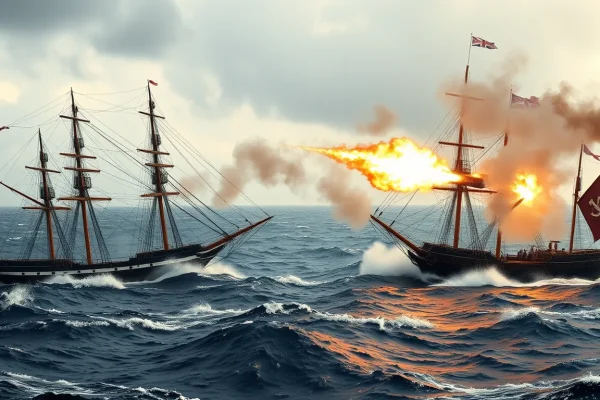
On 24 February 1813, the American sloop-of-war USS Hornet, commanded by James Lawrence, defeated and sank the British brig-sloop HMS Peacock off the Demerara River in present-day Guyana, in a brief but decisive single-ship action of the War of 1812.

Read More →

African Americans and the War of 1812

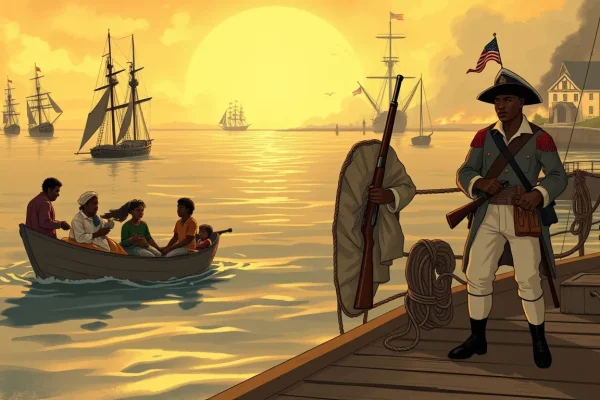
African Americans participated in the War of 1812 as sailors, soldiers, laborers, and refugees. The British promised freedom to enslaved people who escaped to their lines, while the United States relied on Black service in limited and often segregated roles. The war disrupted slavery in the Chesapeake and Gulf Coast, produced the Corps of Colonial Marines, and led some Black refugees to settle in British colonies, though many remained enslaved.

Read More →

Women and Civilians in the War of 1812

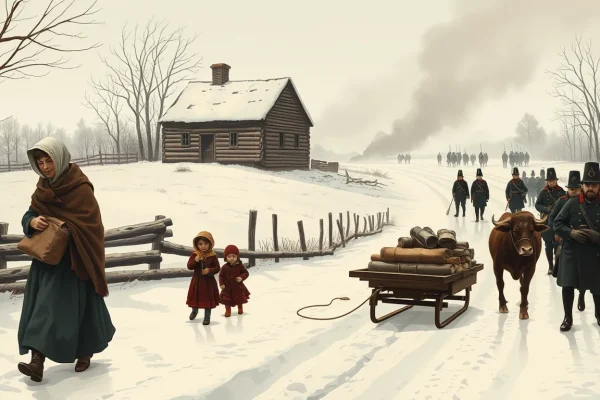
Women and civilians—farm families, enslaved people, soldiers’ wives, townspeople, and Indigenous communities—lived directly in the path of the War of 1812’s operations on both sides of the border. They endured raids, occupations, and burnings from the Niagara frontier to the Chesapeake, while women also worked as nurses, estate managers, intelligence carriers, and petitioners. This article separates documented civilian experience from the later legends built around figures such as Laura Secord and Dolley Madison.

Read More →

Battle of Villéré’s Plantation

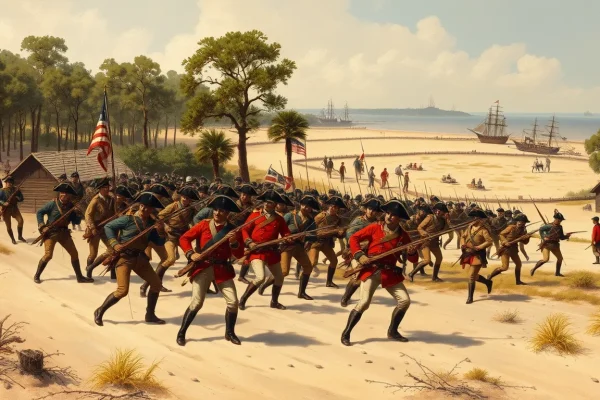
The Battle of Villéré’s Plantation (December 23–24, 1814) was a night engagement between American forces under Maj. Gen. Andrew Jackson and a British brigade that had occupied the Villeré plantation near New Orleans. Jackson’s attack surprised the British, delayed their advance, and gave the Americans time to fortify the approach to the city.

Read More →

Why Was the White House Burned?

British forces burned the White House on August 24, 1814, during the War of 1812, as retaliation for American destruction of public buildings in Upper Canada, including the capital at York and the town of Newark. The burning was a deliberate act of military retaliation and a psychological blow to the United States.

Read More →

Who Fought in the War of 1812?

The War of 1812 was fought between the United States and Great Britain, but its combatants extended far beyond those two governments: British regulars, Canadian militias, dozens of Indigenous nations, American regulars and militia, navies, privateers, and African American soldiers on both sides. This article identifies the participants and explains how their differing aims shaped the conflict.

Read More →

The Treaty of Ghent: How the War of 1812 Ended

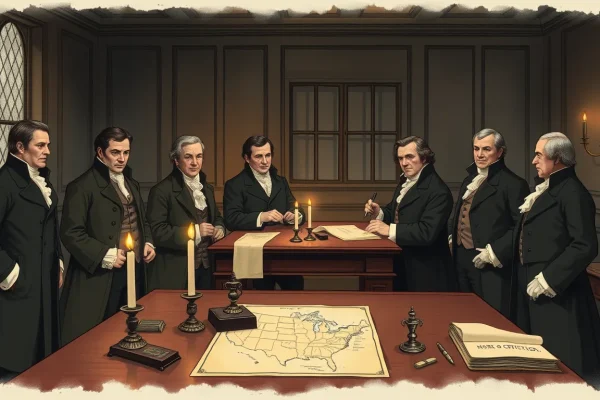
Signed at Ghent on December 24, 1814, the Treaty of Peace and Amity formally ended the War of 1812 by restoring the prewar status quo between the United States and Great Britain. It resolved none of the maritime disputes that had caused the war, and its promises to Indigenous nations went largely unfulfilled. Ratifications were exchanged in February 1815, though fighting continued until news of the peace crossed the Atlantic.

Read More →