The Burning of Newark: A Case Study of Civilian Suffering

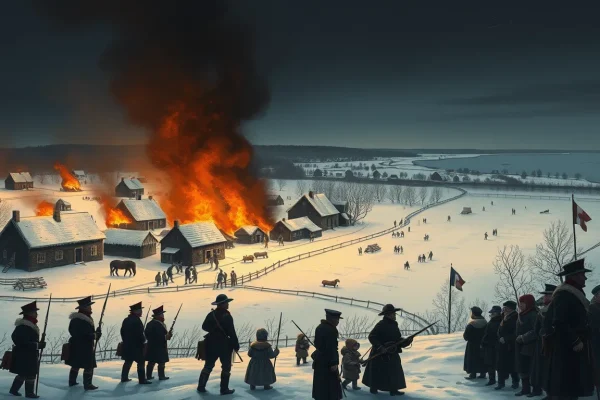
The Burning of Newark occurred on the night of 10 December 1813, when retreating American forces under Brigadier General George McClure set fire to the Upper Canadian village of Newark. The destruction left hundreds of civilians, mostly women and children, without shelter in winter and became a notorious episode of the War of 1812. It triggered a cycle of retaliatory burnings on the Niagara Frontier and was later cited among the justifications for the British burning of Washington in 1814.

Read More →

The Moravian Community at Moraviantown: How Did the War of 1812 Affect Civilian Life?

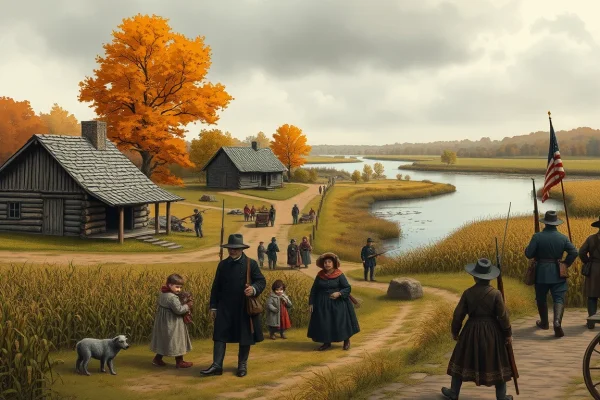
The Moravian community at Moraviantown, also called Fairfield, was a pacifist Christian Delaware settlement on the Thames River in Upper Canada. After the Battle of the Thames on October 5, 1813, American forces burned the village two days later, displacing civilians and destroying homes, farms, and mission buildings. The episode reveals how Indigenous noncombatants experienced the War of 1812 beyond the battlefield.

Read More →

Civilian Life During the War of 1812

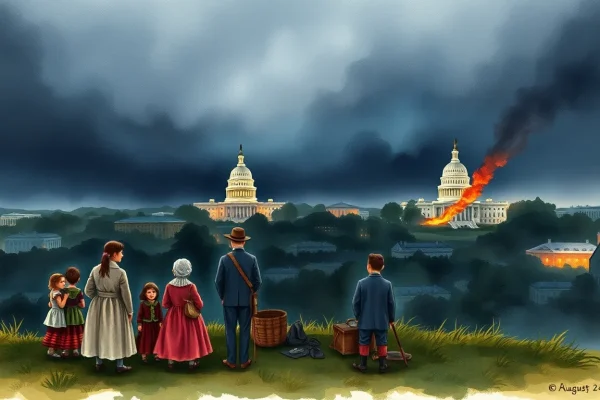
During the War of 1812, civilians along the U.S.-Canadian border and in coastal regions faced destruction, displacement, and economic hardship. This article explores how ordinary people, including women, children, and Indigenous peoples, coped with military occupation, looting, and the burning of towns such as Newark and Washington D.C., and how these experiences shaped national identities.

Read More →