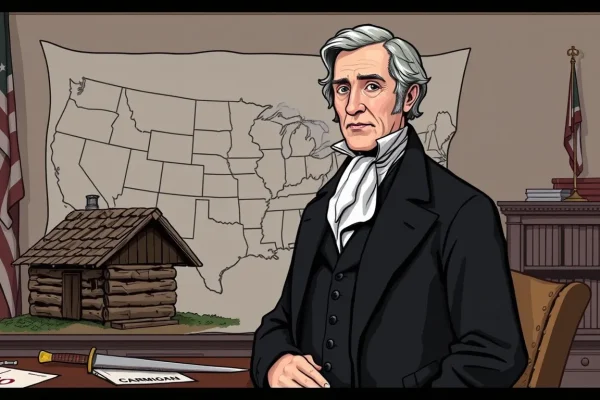
River Raisin Massacre: What Happened?

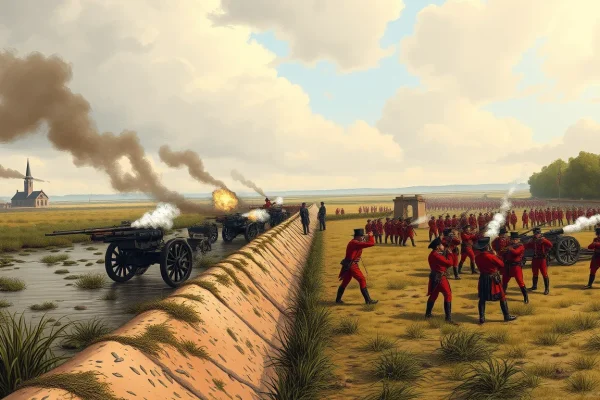
The River Raisin Massacre refers to the killing of wounded American prisoners by Native American warriors after the Battle of Frenchtown in January 1813. This event, part of the War of 1812 in the Michigan Territory, outraged Americans and gave rise to the rallying cry ‘Remember the Raisin.’

Read More →

British Invasion of Louisiana

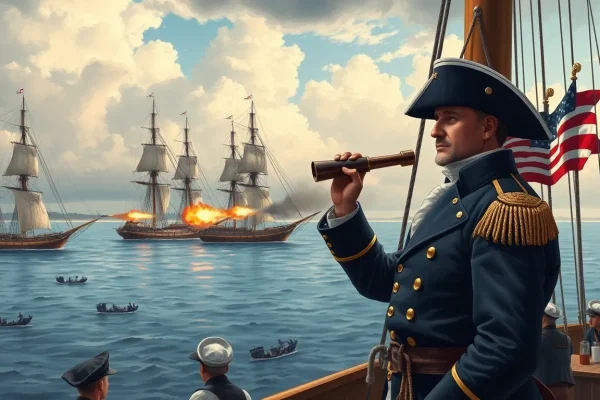
The British invasion of Louisiana (1814–1815) was the final major campaign of the War of 1812, culminating in the Battle of New Orleans on January 8, 1815. A British expeditionary force sought to seize New Orleans and control the Mississippi River but was decisively repulsed by American forces under Andrew Jackson, a victory that secured the Gulf Coast and elevated Jackson to national fame.

Read More →

Henry Clay and the War Hawks

Henry Clay and the War Hawks were a faction of young Democratic-Republican congressmen from the South and West who pressured President James Madison to declare war on Great Britain in 1812. Their advocacy for war, rooted in grievances over impressment, trade restrictions, and frontier security, helped precipitate the War of 1812.

Read More →

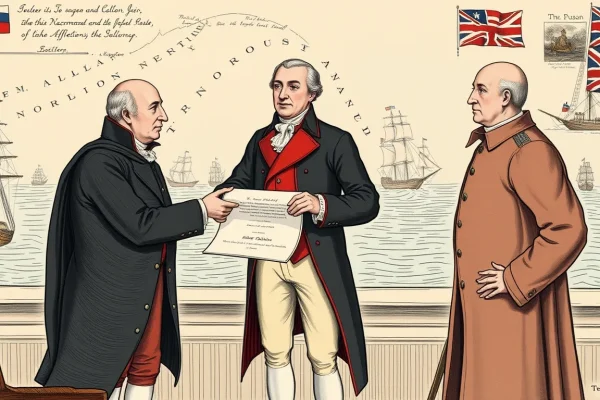
The Era of Good Feelings and the War of 1812

The Era of Good Feelings (roughly 1815–1825) was a period of American national unity and one-party dominance that emerged directly from the aftermath of the War of 1812. Spurred by a surge of postwar patriotism, the collapse of the Federalist Party, and economic expansion, it masked growing sectional tensions over slavery and economic policy that would later fracture the nation.

Read More →