What Was Tecumseh’s Confederacy and How Did It Shape the War of 1812?

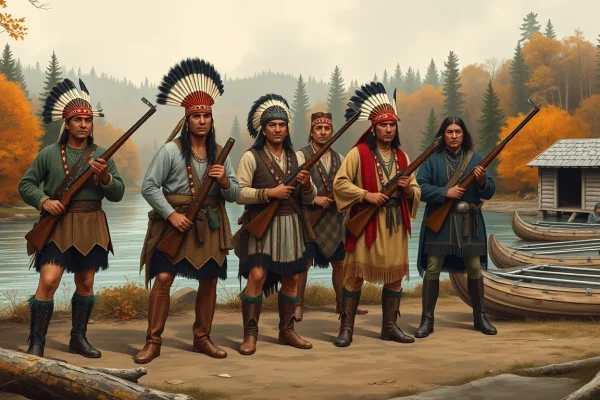
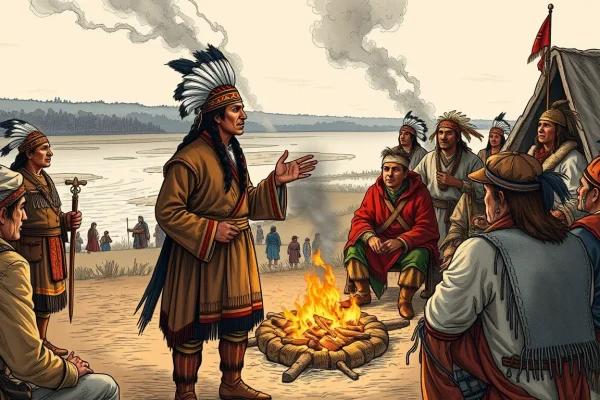
Tecumseh’s Confederacy was a pan-Indigenous alliance of Great Lakes and Ohio Valley nations, built around the teachings of the Shawnee prophet Tenskwatawa and the leadership of his brother Tecumseh, that resisted United States expansion between roughly 1805 and 1813. It fought alongside Britain and Upper Canada in the War of 1812, helped force the surrender of Detroit, and fragmented after Tecumseh was killed at the Battle of the Thames on October 5, 1813.

Read More →

Indigenous Forces in the Niagara Campaign

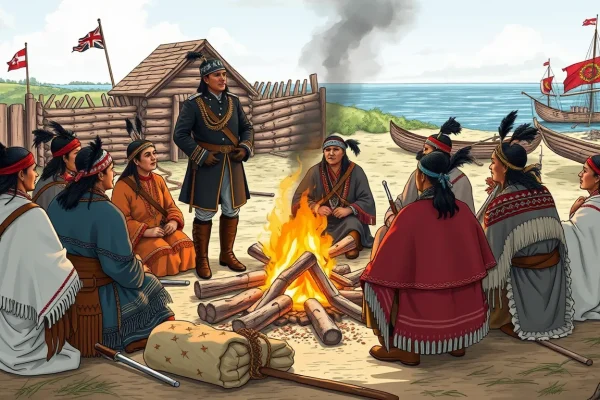
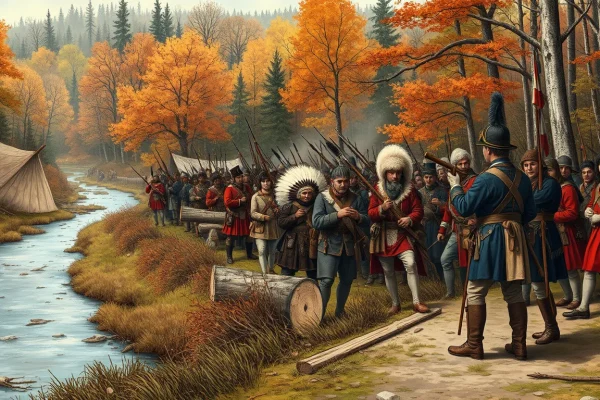
During the War of 1812, Indigenous warriors from the Haudenosaunee, Anishinaabe, and other nations played decisive roles in the Niagara Campaign, serving as allies to both the British and Americans. Their skillful use of forest warfare shaped key battles from Queenston Heights to Lundy’s Lane and influenced the war’s outcome in Upper Canada.

Read More →

Indigenous Forces at Queenston Heights

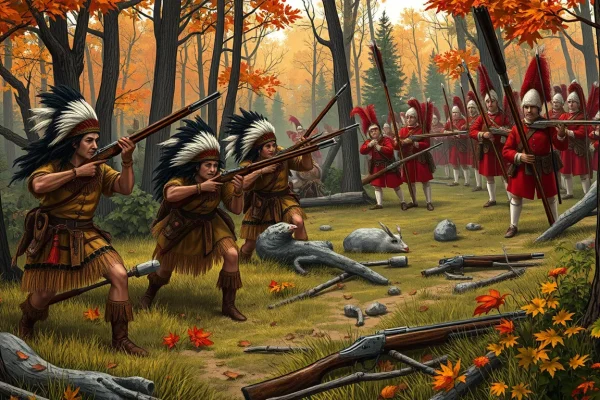
At the Battle of Queenston Heights on 13 October 1812, roughly eighty Haudenosaunee and Delaware warriors led by John Norton and John Brant held a much larger American force in check on the heights for several hours after British counterattacks had stalled. Their actions allowed British regulars and Canadian militia to concentrate and counterattack, securing a British victory that ended the American offensive on the Niagara frontier for 1812.

Read More →

Tecumseh’s Confederacy Explained

Tecumseh’s Confederacy was a pan-Indigenous political and military alliance formed in the early 19th century by Shawnee chief Tecumseh and his brother Tenskwatawa. Its goal was to resist American expansion and protect Indigenous lands. The confederacy allied with the British during the War of 1812 and collapsed after Tecumseh’s death at the Battle of the Thames in 1813.

Read More →

American–Indigenous Relations During the War of 1812

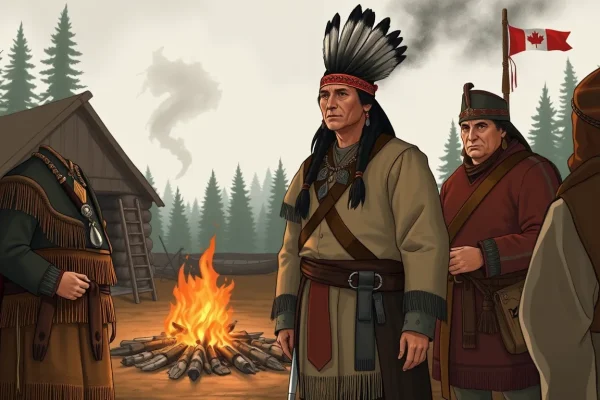
During the War of 1812, the relationship between the United States and the Indigenous nations of the Great Lakes, Ohio Valley, and the South was transformed by military alliance, warfare, and treaty. Tecumseh’s confederacy sided with the British to resist American expansion, while the collapse of the confederacy and the Creek War’s aftermath opened vast territories to American settlement and set the stage for Indian removal.

Read More →

Indigenous Memory of the War of 1812

Indigenous memory of the War of 1812 encompasses the oral traditions, autobiographies, and cultural recollections of First Nations, Métis, and Native American peoples who participated in the conflict. These perspectives offer critical insights into the war’s impact on Indigenous communities, their alliances, and the betrayal they experienced in its aftermath.

Read More →