How Did a British Soldier Describe the Burning of Washington?

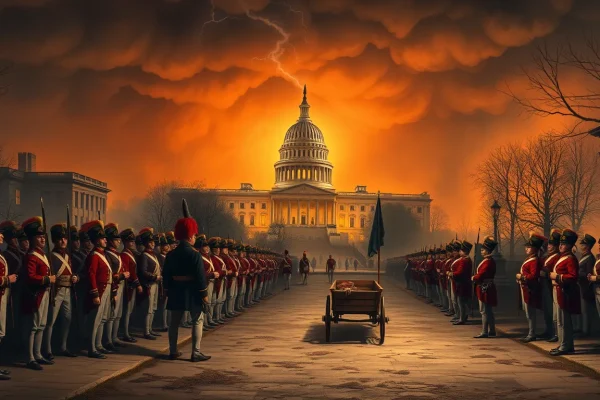
British descriptions of the burning of Washington come mainly from a handful of officers’ dispatches, letters and memoirs written after the Chesapeake campaign of August 1814. The fullest is George Robert Gleig’s Narrative of 1821, written by an eighteen-year-old officer of the 85th Foot who was present at Bladensburg and in the city during the destruction. His account and the few others that survive are the principal British testimony for the episode, and they are read both as eyewitness evidence and as literary reconstructions shaped years after the event.
Read More →

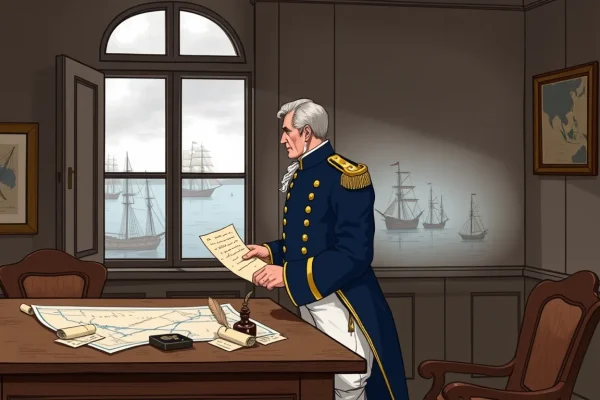
Admiral Warren’s Peace Mission: Britain’s Attempt to Negotiate in 1812

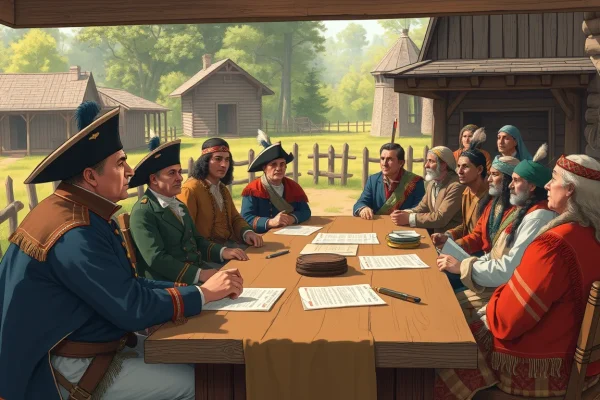
In September 1812, Admiral Sir John Borlase Warren, commanding Britain’s North American naval forces, was authorized to negotiate a cessation of hostilities with the United States. He corresponded with Secretary of State James Monroe, but the exchange failed because Britain would not suspend impressment. The mission marked Britain’s most direct early attempt to end the War of 1812 through diplomacy rather than military escalation.

Read More →

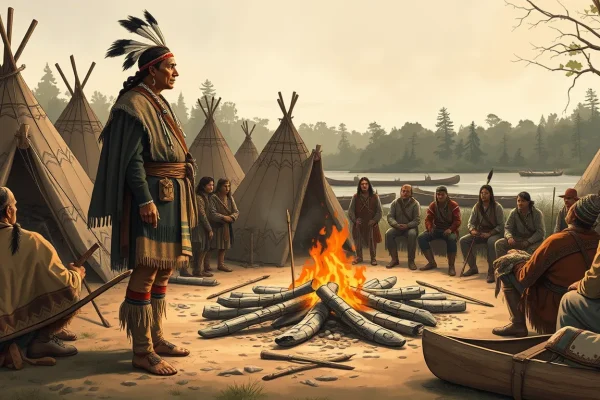
Tecumseh’s Confederacy: The Rise and Fall of a Pan-Indian Alliance

Tecumseh’s Confederacy was a pan-Indigenous alliance in the Old Northwest that resisted United States expansion and allied with Britain during the War of 1812. It was inspired by the religious teachings of Tenskwatawa and led politically and militarily by his brother Tecumseh. The alliance won early victories, including Detroit, but collapsed after Tecumseh’s death at the Battle of the Thames in 1813.

Read More →

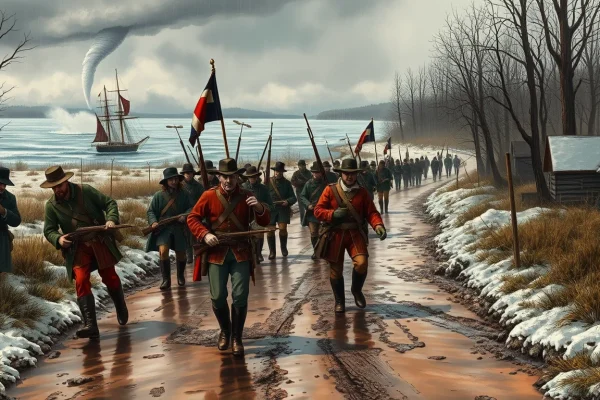
How Weather and Seasons Shaped Military Campaigns in the War of 1812

Weather and seasons profoundly influenced military operations during the War of 1812. From a hurricane that crippled New Orleans’ naval defenses to a tornado that hastened the British withdrawal from Washington, D.C., and shifting winds that decided the Battle of Lake Erie, environmental factors shaped strategy, logistics, and outcomes across North American theaters.

Read More →

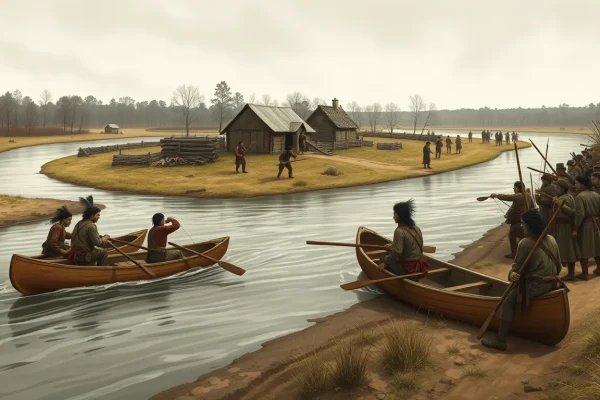
What Role Did Cherokee Allies Play at the Battle of Horseshoe Bend?

Cherokee warriors fought as allies of the United States at the Battle of Horseshoe Bend on March 27, 1814. About 500 Cherokee served in Andrew Jackson’s campaign, and a river crossing by Cherokee fighters helped break the Red Stick defense at Tohopeka. Their participation tied the battle to the wider War of 1812 and to the struggle over Indigenous sovereignty in the Southeast.

Read More →

Using War of 1812 Pension Records to Trace African American Veterans

War of 1812 pension records, created under late-nineteenth-century pension acts, provide a vital—if imperfect—resource for tracing African American soldiers and sailors. These records document names, service details, family relationships, and sometimes even identify former enslavers, enabling researchers to reconstruct the lives of Black veterans who served on both American and British sides.

Read More →

How Did the British Army Retreat from New Orleans in January 1815?

The British army retreated from New Orleans in January 1815 after its defeat at the Battle of New Orleans on January 8. Under Maj. Gen. John Lambert, the British force withdrew from Chalmette through Bayou Bienvenu to Lake Borgne and re-embarked by January 18–19. The retreat ended the British attempt to capture New Orleans and secure the Mississippi River during the War of 1812.

Read More →