Henry Clay: The Speaker Who Pushed America to War

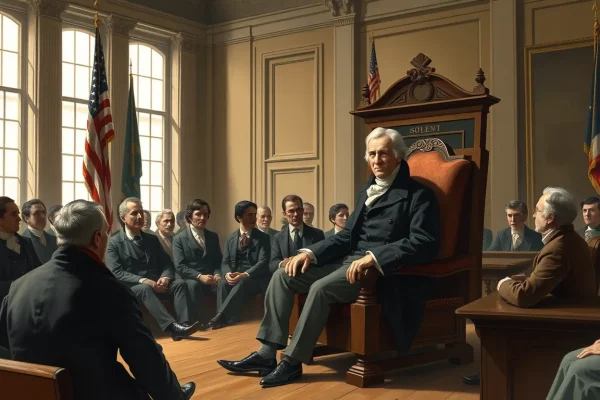
Henry Clay (1777–1852), a Kentucky congressman elected Speaker of the House on his first day in the chamber, became the most visible congressional advocate of war with Great Britain in 1811–1812. He helped carry the declaration of war in June 1812, managed war legislation until 1814, and then negotiated the Treaty of Ghent that ended the conflict.

Read More →

Henry Eckford: The Shipbuilder Behind America’s Great Lakes Navy

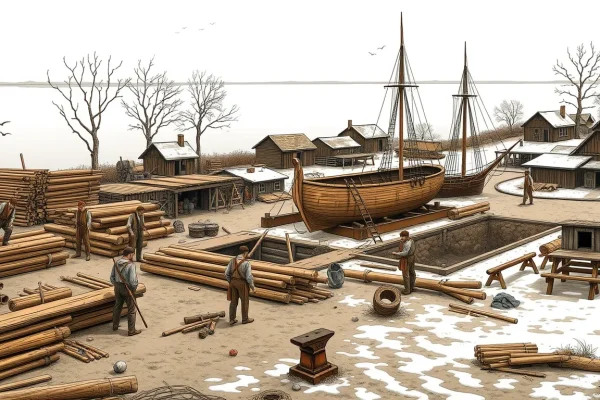
Henry Eckford (1775–1832) was a Scottish-born American shipwright who directed the United States Navy’s yard at Sackets Harbor, New York, during the War of 1812. Between 1812 and 1815 his workforce launched and fitted out the warships that formed the core of Commodore Isaac Chauncey’s squadron on Lake Ontario. His wartime performance made his reputation and shaped American naval contracting for decades.

Read More →

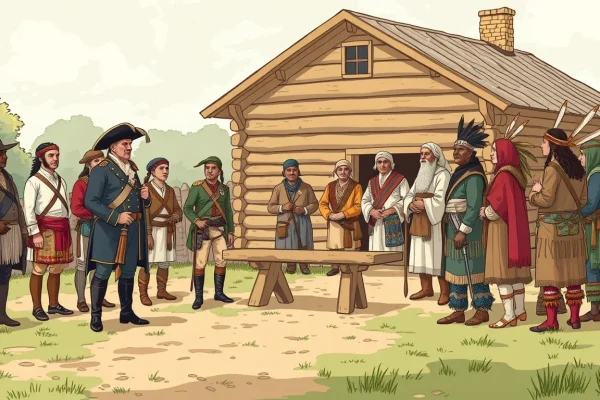
The Fall of Detroit and Its Impact on the Northwest Territory

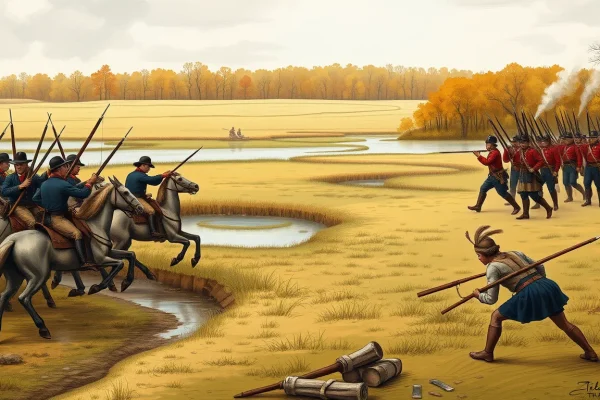
On August 16, 1812, Brigadier General William Hull surrendered Fort Detroit and his army to Major General Isaac Brock and Tecumseh. The defeat gave Britain and its Indigenous allies control of Michigan Territory and the upper Great Lakes, exposed the Old Northwest to raids and sieges, and shattered American confidence. The United States recaptured Detroit in 1813, but the surrender helped set in motion the campaigns that ended Tecumseh’s confederacy.

Read More →