After the War of 1812: How Britain Abandoned Its Native American Allies

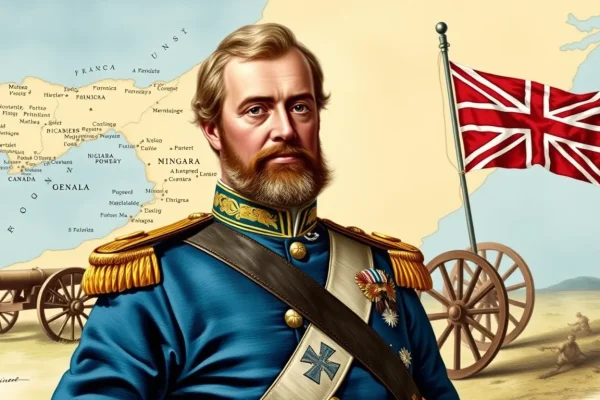
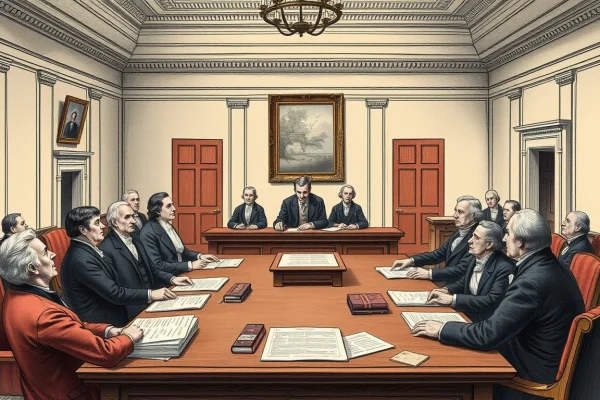
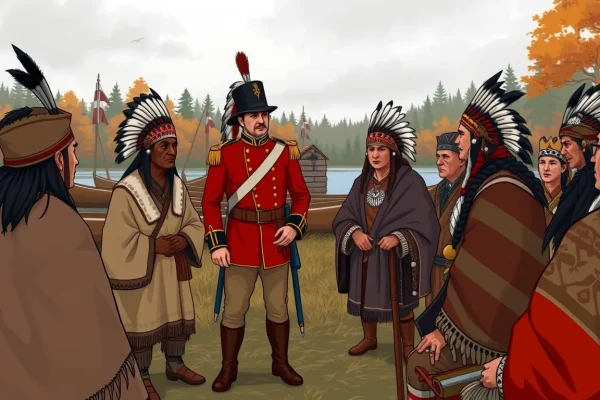
After the Treaty of Ghent, Britain ended its military and diplomatic support for the Indigenous confederacy that had fought alongside it. Article IX promised Indigenous peoples their pre-war lands and rights, but Britain did not enforce it, and the United States expanded into the Great Lakes and Ohio Valley. The abandonment shattered Tecumseh’s confederacy and accelerated removal.

Read More →

Prophetstown: The Rise and Fall of an Indigenous Capital

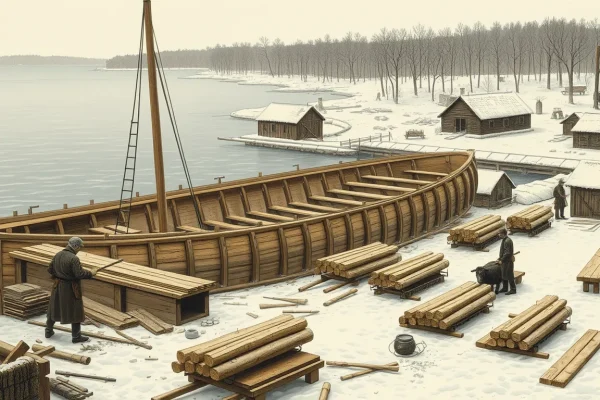
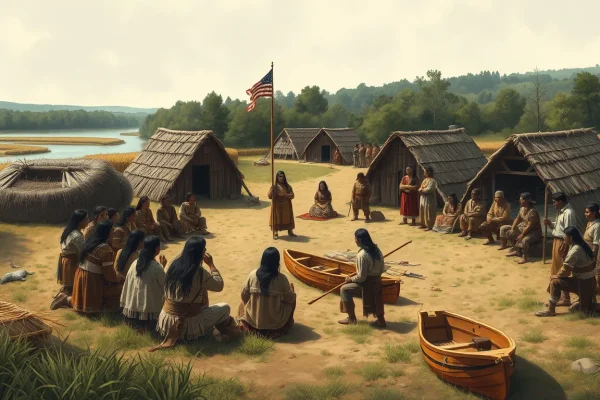
Prophetstown was a multi-tribal Indigenous settlement founded in 1808 by the Shawnee Prophet Tenskwatawa and associated with his brother Tecumseh. It served as a spiritual and political center for a nativist resistance to U.S. land cessions. U.S. forces under William Henry Harrison destroyed it after the Battle of Tippecanoe in November 1811, making its fall a precursor to Indigenous-British alliances in the War of 1812.

Read More →

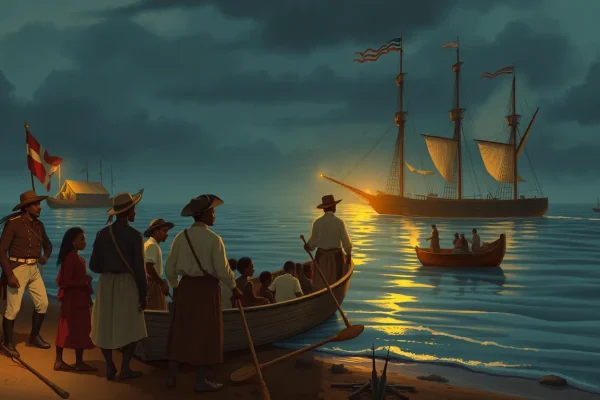
What Happened to Enslaved African Americans Who Sought Freedom with the British During the War of 1812?

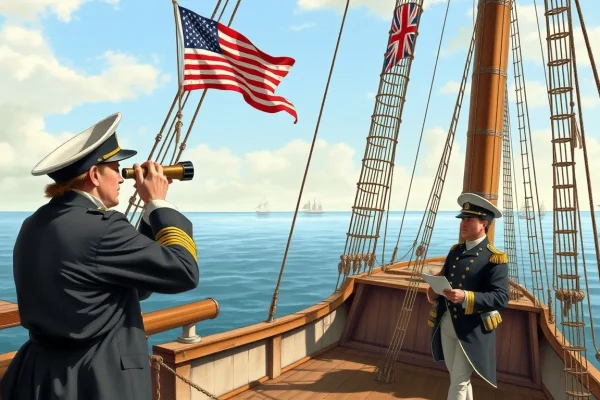
During the War of 1812, thousands of enslaved African Americans escaped to British ships and camps, hoping for freedom. The British offered protection, military service, and resettlement under Admiral Alexander Cochrane’s 1814 proclamation. After the Treaty of Ghent, most were evacuated to Bermuda, Nova Scotia, or Trinidad, while U.S. enslavers demanded their return or compensation. The episode became a diplomatic dispute and a lasting story of self-emancipation.

Read More →