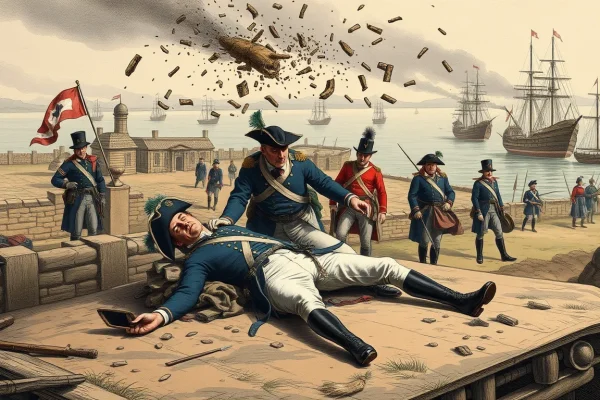
Captain James Lawrence of the USS Chesapeake

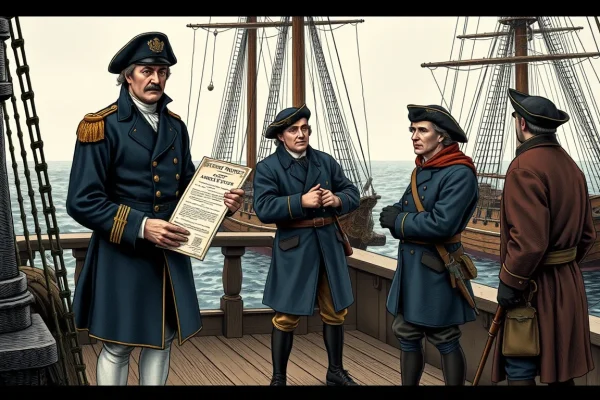
James Lawrence (1781–1813) was a United States Navy officer who commanded the frigate USS Chesapeake during the War of 1812. On June 1, 1813, he engaged HMS Shannon off Boston, was mortally wounded, and died after his ship was captured. He is remembered for the dying order ‘Don’t give up the ship,’ which became a naval motto.

Read More →

African American Participation in the War of 1812: Forgotten Heroes

African American soldiers, sailors, and laborers played a significant but often overlooked role in the War of 1812 (1812–1815). Both free blacks and enslaved individuals served on the American and British sides, driven by promises of freedom, citizenship, or necessity. Their contributions were vital in battles from Lake Erie to New Orleans, yet their stories have been largely ignored in mainstream histories.

Read More →

James Madison During the War of 1812

James Madison, the fourth President of the United States, led the nation through the War of 1812, from the declaration of war in 1812 to the Treaty of Ghent in 1814 and the Battle of New Orleans in 1815. His leadership was marked by early military setbacks, naval successes, the burning of Washington, and a profound transformation of Republican principles.

Read More →

The Niagara Campaign of 1814

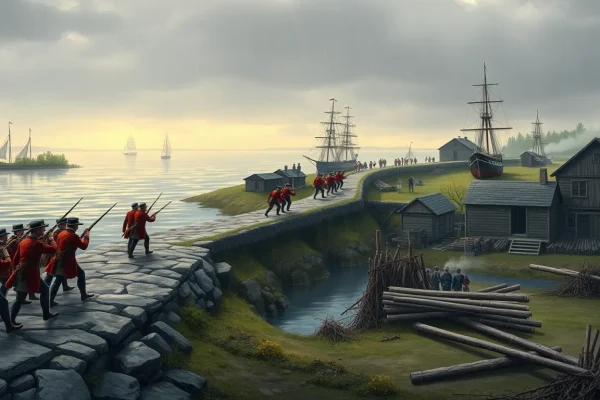
The Niagara Campaign of 1814 was the final American invasion of Upper Canada during the War of 1812, encompassing the capture of Fort Erie, the Battles of Chippawa and Lundy’s Lane, and the protracted Siege of Fort Erie, ultimately ending in an American withdrawal without territorial gain.

Read More →

The Embargo Act of 1807 and the Road to War

The Embargo Act of 1807 was a U.S. economic policy that prohibited American ships from engaging in foreign trade in response to British and French seizures of neutral shipping. It was intended to pressure the belligerent powers but instead damaged the American economy, fueled sectional tensions, and became a key step on the road to the War of 1812.

Read More →