How to Read War of 1812 Treaties
Learn how to approach the texts of the treaties that ended the War of 1812, especially the Treaty of Ghent, by understanding their structure, language, and historical context.
Formal agreements, including the Treaty of Ghent.
Learn how to approach the texts of the treaties that ended the War of 1812, especially the Treaty of Ghent, by understanding their structure, language, and historical context.
The Rush-Bagot Agreement of 1817 was an exchange of diplomatic notes between the United States and Great Britain that limited naval armaments on the Great Lakes and Lake Champlain, helping to end the postwar naval race and shaping the peaceful Canada–U.S. border.
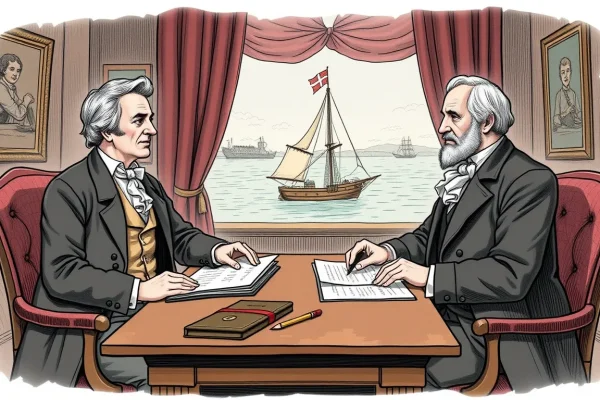
John Quincy Adams was a commissioner and leading American diplomat in the 1814 Ghent negotiations that ended the War of 1812. He helped hold a divided delegation together and resisted British demands that threatened American claims. The resulting Treaty of Ghent restored territory and left major maritime disputes unresolved.
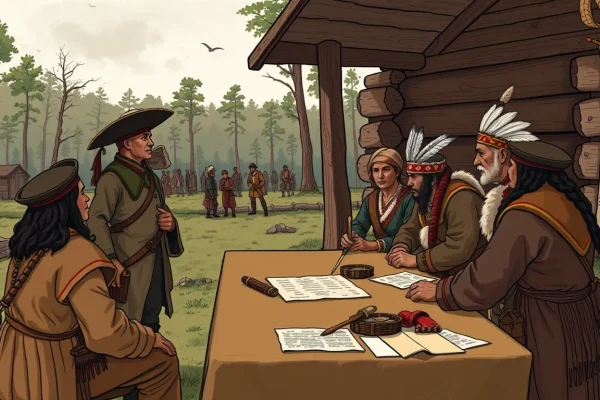
The Treaty of Greenville, signed on August 3, 1795, ended the Northwest Indian War between the United States and a coalition of Indigenous nations. It ceded much of present-day Ohio and strategic posts to the United States, established an annuity system, and created an uneasy peace. Its legacy shaped Indigenous land loss, resistance, and alliances in the years leading to the War of 1812.
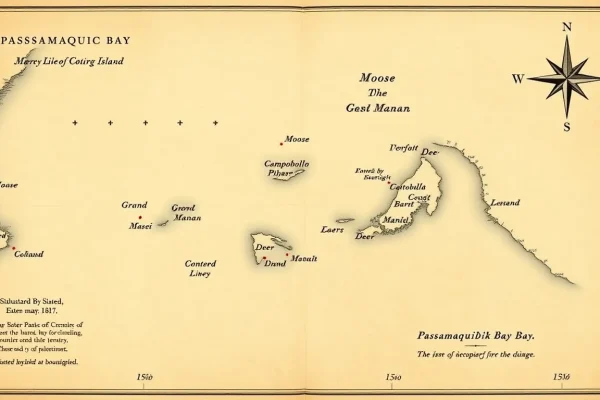
The Passamaquoddy Bay Islands Dispute was a territorial disagreement between the United States and Great Britain over islands in Passamaquoddy Bay, resolved under Article IV of the Treaty of Ghent in 1817. The decision awarded Moose, Dudley, and Frederick Islands to the United States and all other islands, including Grand Manan, to Great Britain. Though often overlooked, it exemplifies how the War of 1812’s peace treaty addressed long-standing boundary questions.
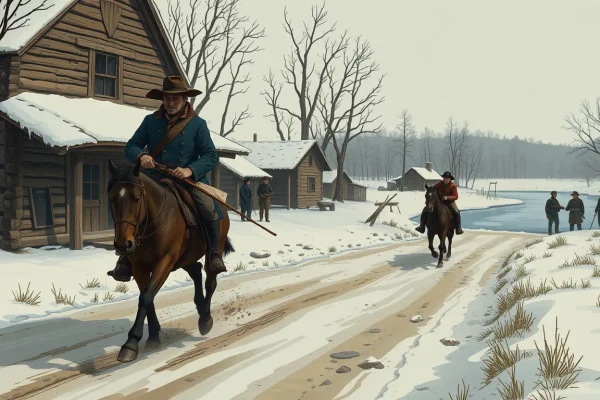
After the Treaty of Ghent was signed on December 24, 1814, news of peace crossed the Atlantic by ship and then moved through New York, Washington, and the frontier by express riders, post roads, newspapers, and military couriers. The delay meant that battles such as New Orleans and Fort Bowyer were fought before word arrived. This article explains the routes, timings, and limits of that communication.
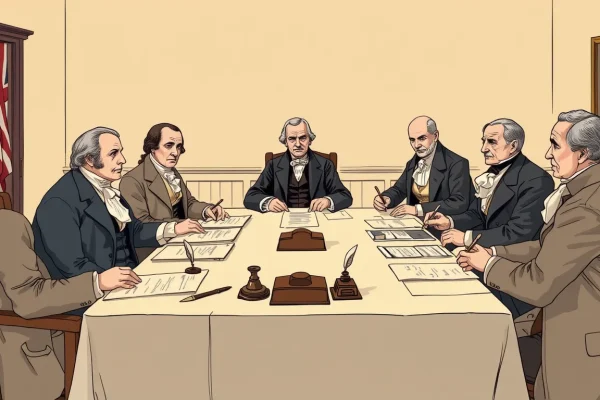
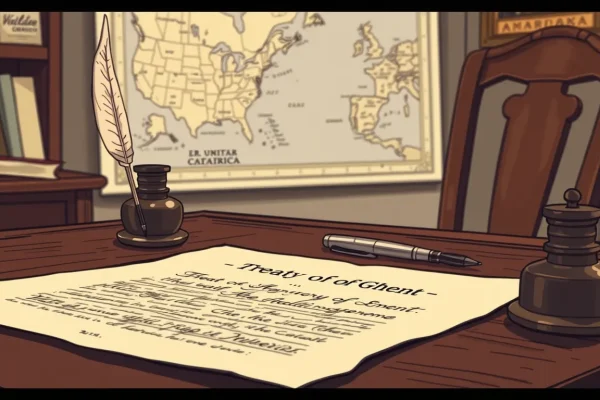
The Treaty of Ghent, signed on December 24, 1814, ended the War of 1812 between the United States and Great Britain. It restored pre-war boundaries without addressing impressment or neutral rights, setting the stage for a lasting peace and shaping North American borders.
Signed at Ghent on December 24, 1814, the Treaty of Peace and Amity formally ended the War of 1812 by restoring the prewar status quo between the United States and Great Britain. It resolved none of the maritime disputes that had caused the war, and its promises to Indigenous nations went largely unfulfilled. Ratifications were exchanged in February 1815, though fighting continued until news of the peace crossed the Atlantic.
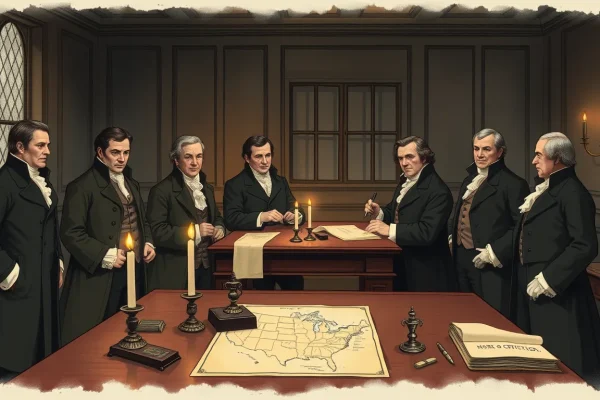
The Treaty of Ghent, signed December 24, 1814, was negotiated by five American commissioners—John Quincy Adams, James A. Bayard, Henry Clay, Jonathan Russell, and Albert Gallatin—and three British delegates—Admiral James Gambier, Henry Goulburn, and William Adams—who met in Ghent, Belgium, to end the War of 1812 with a return to prewar conditions.
The Treaty of Ghent, signed on December 24, 1814, ended the War of 1812 only after both governments ratified it. The British ratified on December 27, 1814, and the U.S. Senate unanimously approved it on February 16, 1815, with exchange of ratifications the next day officially concluding the war.