The Niagara Campaign of 1814

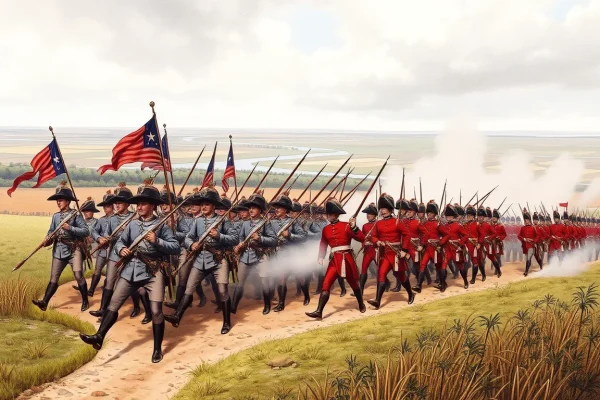
The Niagara Campaign of 1814 was the final American invasion of Upper Canada during the War of 1812, encompassing the capture of Fort Erie, the Battles of Chippawa and Lundy’s Lane, and the protracted Siege of Fort Erie, ultimately ending in an American withdrawal without territorial gain.
Read More →

Why 1814 Was the Decisive Year of the War of 1812

The year 1814 proved decisive in the War of 1812 because the defeat of Napoleon freed thousands of British regulars for North America, shifting the conflict from a stalemate to a series of invasions that culminated in the burning of Washington, successful American defenses at Plattsburgh and Baltimore, and the Gulf Coast campaign that ended at New Orleans.

Read More →

Battle of Baltimore (1814)

The Battle of Baltimore, fought September 12–14, 1814, was a combined British land and naval attack on Baltimore, Maryland, during the War of 1812. After burning Washington, D.C., British forces failed to seize Baltimore because American defenders held at North Point and Fort McHenry. The battle inspired Francis Scott Key to write ‘The Star-Spangled Banner.’

Read More →

Washington, D.C. During the War of 1812

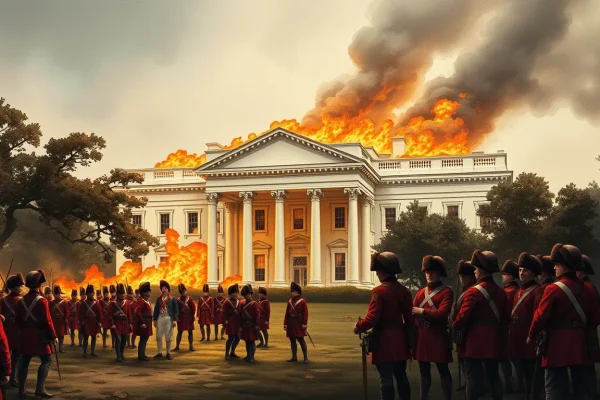
In August 1814, British forces invaded Washington, D.C., defeated American militia at the Battle of Bladensburg, and burned the Capitol, the President’s House, and other public buildings. The capture forced President Madison to flee and marked a low point for the United States, but it also hardened American resolve and became a defining moment in the War of 1812.

Read More →

Battle of Horseshoe Bend

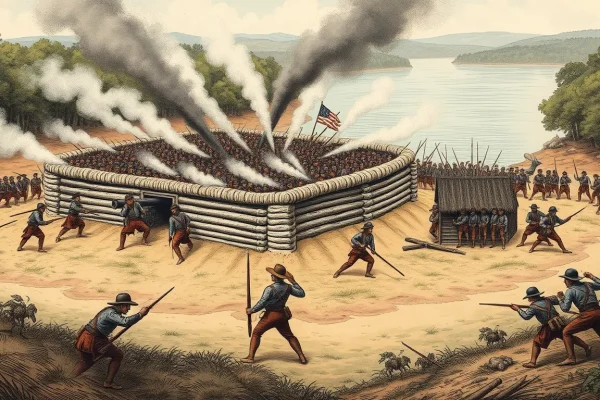
The Battle of Horseshoe Bend, fought on March 27, 1814, was the decisive engagement of the Creek War, in which U.S. forces under Major General Andrew Jackson, aided by Cherokee and Lower Creek allies, overwhelmed the Red Stick warriors at a fortified peninsula on the Tallapoosa River in Alabama, breaking Red Stick resistance and leading to massive land cessions.

Read More →