Indigenous Women in the War of 1812: Roles and Contributions

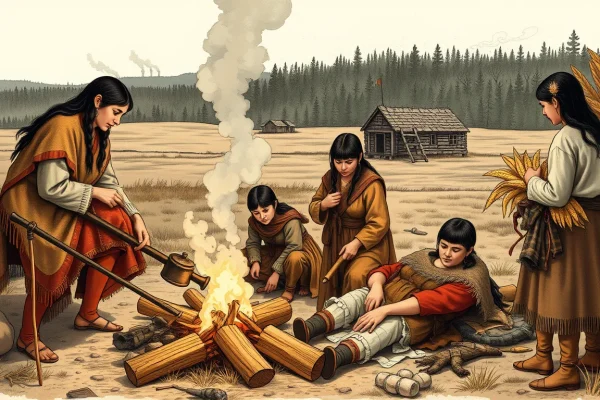
Indigenous women in the War of 1812 served as cooks, supply providers, nurses, and community sustainers, with some evidence of combat support. Pension records from New York name Haudenosaunee women such as Polly Cooper, Dolly Schenandoah, Julia John, Susan Jacob(s), and Dinah John. First Nations and Métis women supported British-allied operations in the Great Lakes, though their roles are less documented. Their contributions were essential to Indigenous war efforts and reveal the limits and biases of military records.

Read More →

Women and Civilians in the War of 1812

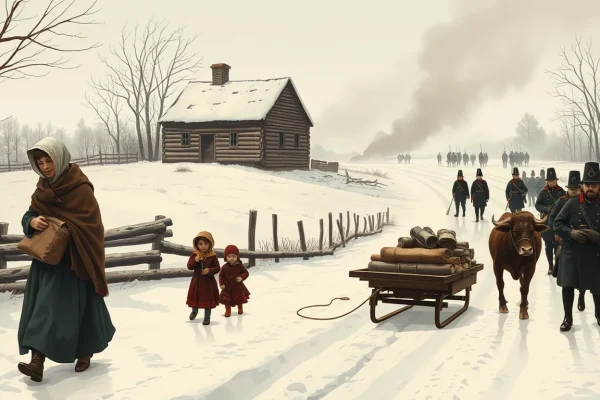
Women and civilians—farm families, enslaved people, soldiers’ wives, townspeople, and Indigenous communities—lived directly in the path of the War of 1812’s operations on both sides of the border. They endured raids, occupations, and burnings from the Niagara frontier to the Chesapeake, while women also worked as nurses, estate managers, intelligence carriers, and petitioners. This article separates documented civilian experience from the later legends built around figures such as Laura Secord and Dolley Madison.

Read More →

Women During the War of 1812

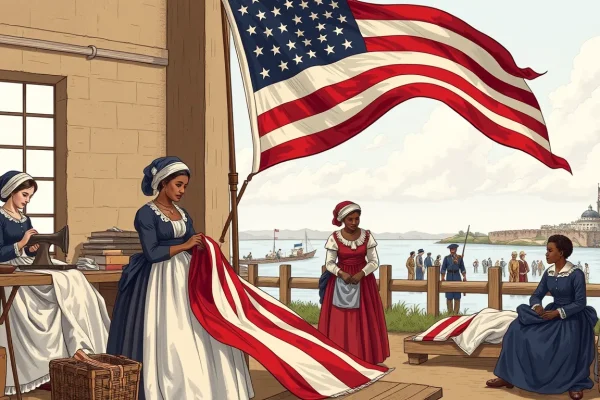
Women played essential and varied roles during the War of 1812, managing farms and businesses, serving as nurses and spies, and defending their homes. Their contributions, often obscured by contemporary gender ideals, were crucial to both American and Canadian war efforts and shaped postwar society.

Read More →