Nationalism After the War of 1812

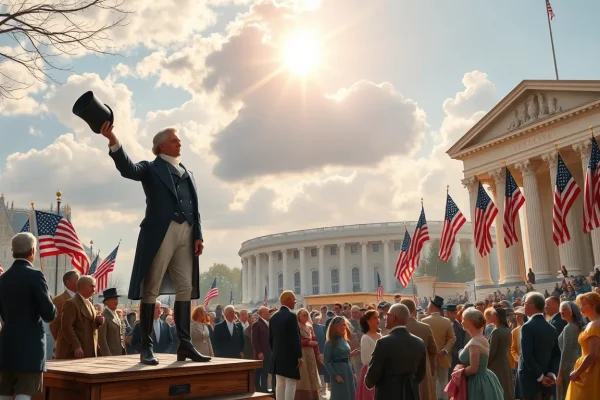
After the Treaty of Ghent ended the War of 1812, the United States experienced a surge of national unity and pride. This ‘Era of Good Feelings’ saw new federal projects, cultural nationalism, and a shift away from partisan divisions, though it also masked growing sectional tensions.

Read More →

War of 1812 Monuments and Memorials

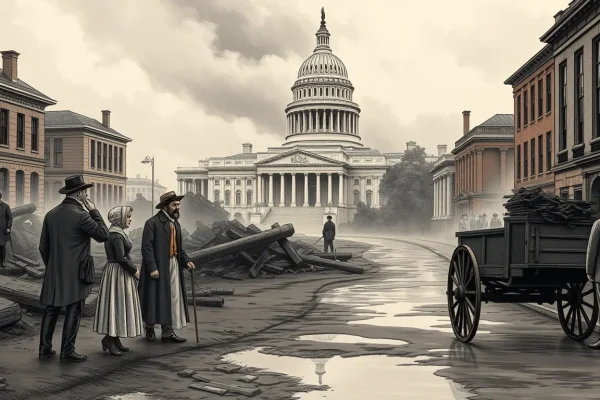
The War of 1812 is commemorated through a wide range of monuments and memorials across North America, including Brock’s Monument, Perry’s Victory and International Peace Memorial, the War of 1812 Monument in Ottawa, and the Landscape of Nations Memorial. These structures reflect competing national narratives and evolving Indigenous recognition.

Read More →

Why Is the War of 1812 Important Today?

The War of 1812, though often overlooked, is important today because it solidified American independence, shaped Canadian national identity, weakened Indigenous power east of the Mississippi, and set the stage for westward expansion and the Civil War. Its symbols, such as the Star-Spangled Banner, continue to resonate in national memory.

Read More →

The Legacy of the War of 1812

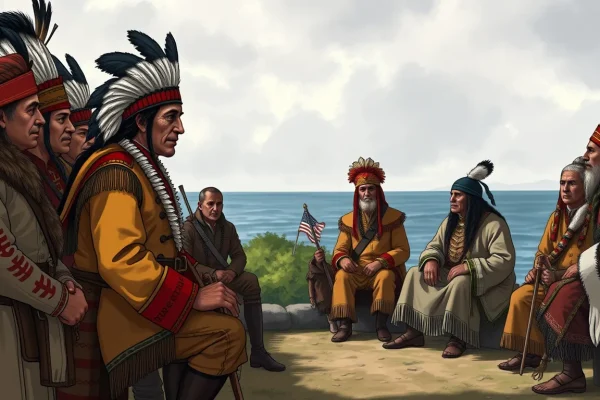
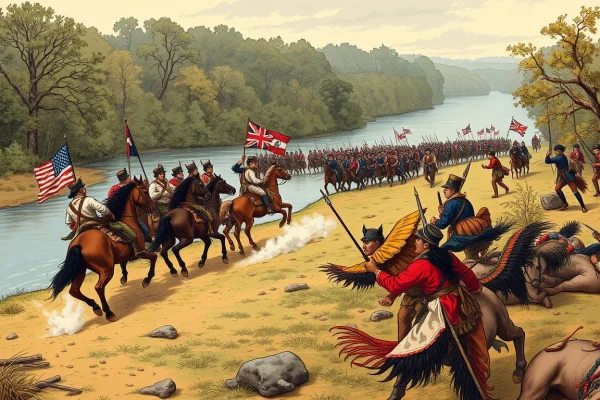
The legacy of the War of 1812 includes the Treaty of Ghent’s restoration of prewar borders, the rise of American nationalism and naval tradition, the decline of the Federalist Party, and competing Canadian, British, and Indigenous memories. Although often called a forgotten war in the United States, it reshaped national identities and accelerated U.S. westward expansion and Indigenous dispossession.

Read More →

The Era of Good Feelings and the War of 1812

The Era of Good Feelings (roughly 1815–1825) was a period of American national unity and one-party dominance that emerged directly from the aftermath of the War of 1812. Spurred by a surge of postwar patriotism, the collapse of the Federalist Party, and economic expansion, it masked growing sectional tensions over slavery and economic policy that would later fracture the nation.

Read More →