Clothing and Uniforms of the War of 1812

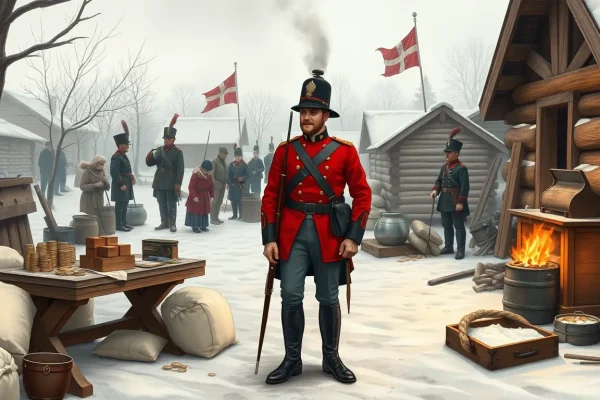
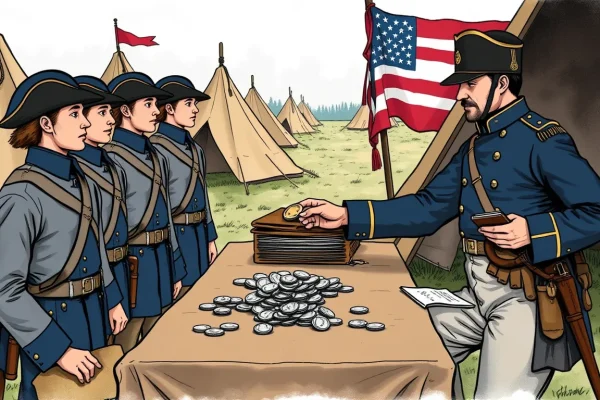
The clothing and uniforms of the War of 1812 reflected the practical needs, supply shortages, and national identities of American, British, Canadian, and Indigenous forces. Initial lack of standardization gave way to regulation changes in 1813, while varied materials and makeshift garments shaped the appearance and effectiveness of soldiers on all sides.

Read More →

Disease in War of 1812 Armies

Disease killed roughly three-quarters of American soldiers who died during the War of 1812, more than all combat casualties combined. This article examines the types of illness, their environmental causes, inadequate medical treatment, and the impact on military operations and medical reform.

Read More →

Medicine During the War of 1812

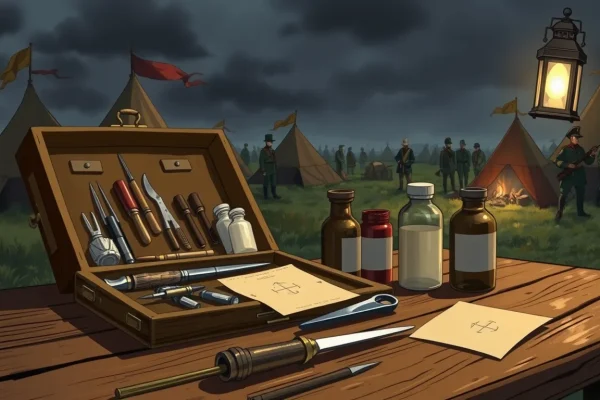
During the War of 1812, disease killed far more soldiers than combat, and medical practice relied on humoral theory, emphasizing treatments like bloodletting and purging. The conflict exposed major weaknesses in military medical organization and prompted reforms, including the creation of the U.S. Army Surgeon General’s office.

Read More →

Farming During the War of 1812

Farming during the War of 1812 involved both agricultural production and destruction, as armies on both sides depended on local food supplies while military operations devastated farms, livestock, and mills. This article explores how the war disrupted farming communities, the labor shortages that arose, and the long-term economic and social consequences.

Read More →