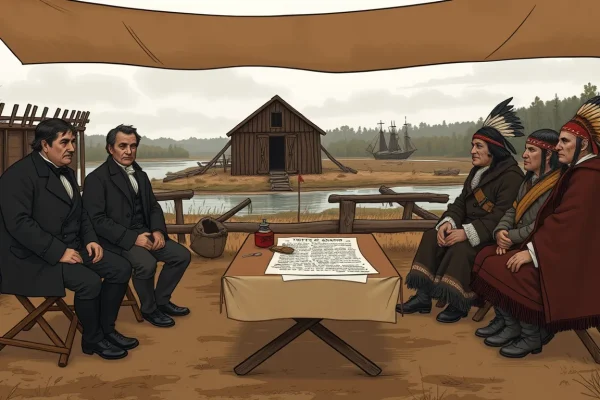
What Happened to Native American Land After the War of 1812?

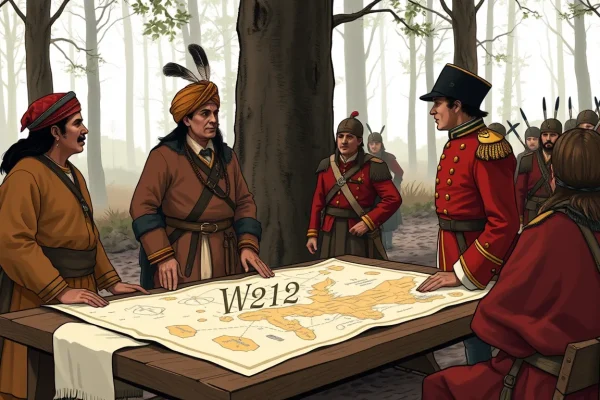
After the War of 1812, Native American nations lost the British military and diplomatic support that had sustained resistance to United States expansion, and the United States converted its wartime advantage into a rapid series of land-cession treaties. Between 1814 and the 1840s, agreements such as the Treaty of Fort Jackson, the Second Treaty of Greenville, and the Treaties of Portage des Sioux transferred tens of millions of acres and paved the way for removal west of the Mississippi. The result destroyed any realistic prospect of a renewed intertribal confederacy east of the Mississippi and reshaped the political geography of North America.

Read More →

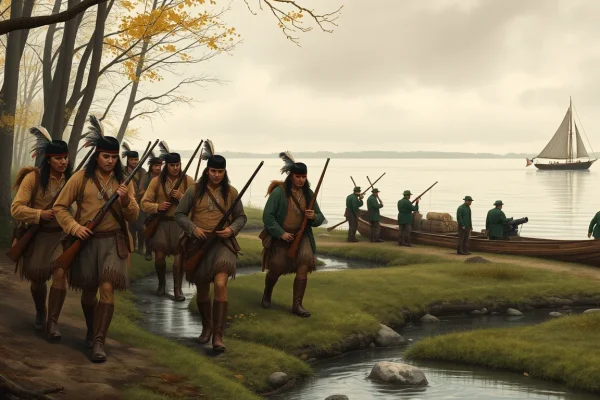
Oneida Warriors in the War of 1812: Allies and Contributions

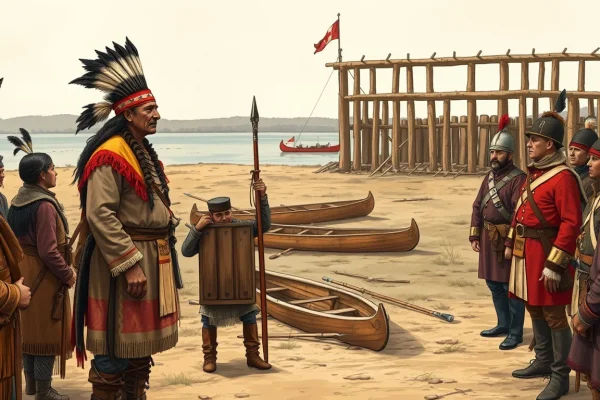
Oneida warriors of the Haudenosaunee Confederacy served alongside the United States throughout the War of 1812, acting as scouts, guides, and escorts on the Lake Ontario frontier. Their most documented action came on 30 May 1814 at Big Sandy Creek, where about 130 Oneida fighters helped ambush and capture a British naval detachment under Captain Stephen Popham. Their service illustrates both the military value of Indigenous alliances and the limited rewards those alliances produced afterward.

Read More →

The Battle of the Thames in Indigenous Memory

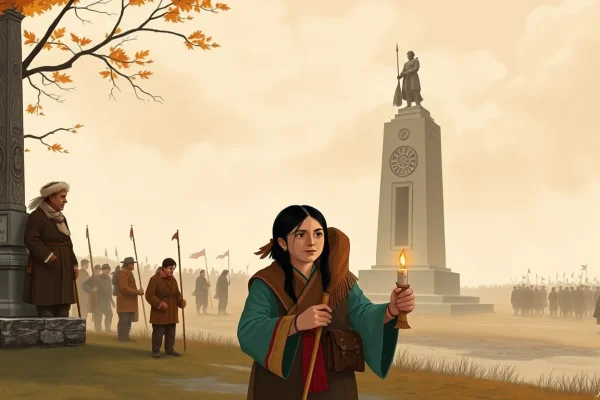
The Battle of the Thames (October 5, 1813) was a decisive American victory in the War of 1812, but for many Indigenous nations it is remembered above all as the battle in which Shawnee leader Tecumseh was killed and his confederacy broke apart. This article examines how oral traditions, family histories, commemorations, and scholarly interpretations have shaped Indigenous memory of the battle and its aftermath.

Read More →

Indigenous Strategy During the War of 1812

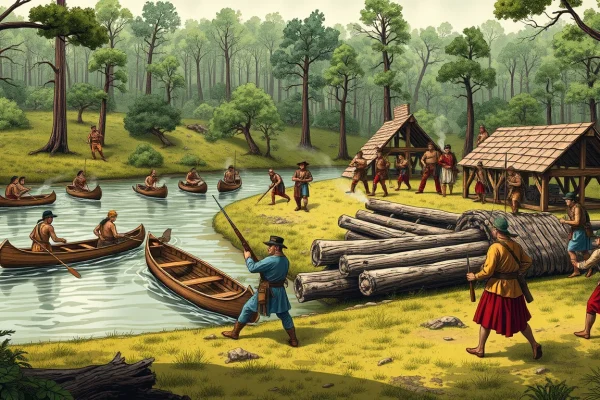
During the War of 1812, Indigenous nations and confederacies employed military and diplomatic strategies to defend their homelands from American expansion. While most allied with the British, they did so on their own terms, seeking to preserve autonomy, territory, and trading relationships. The war’s outcome and the Treaty of Ghent ultimately undermined these goals, leading to forced removal in the United States and lasting consequences for Indigenous peoples.

Read More →