How Did Carronades Change Naval Warfare in the War of 1812?

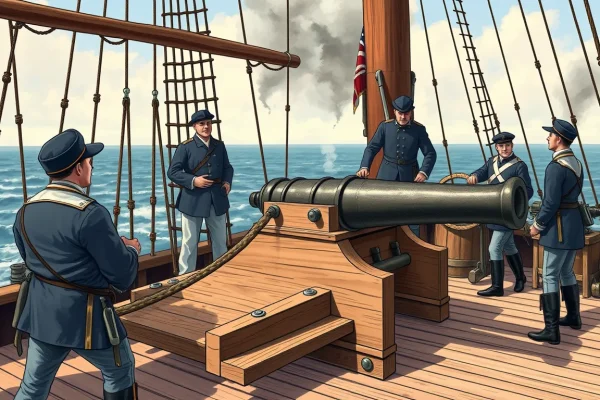
Carronades were short-barreled, light naval guns that traded range for devastating close-range power. In the War of 1812, they armed U.S. and British frigates, sloops, and brigs, contributing to famous single-ship victories and forcing commanders to choose between closing to smash an enemy or standing off with long guns. Their limitations also became clear, as long-range cannon could punish carronade-armed ships before they closed.

Read More →

How Did Macdonough’s Use of Springs Change Naval Tactics?

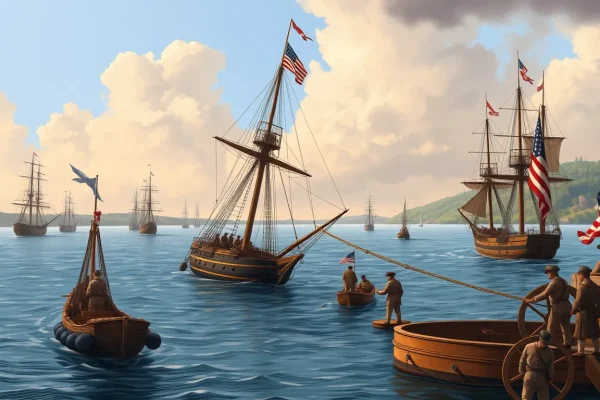
At the Battle of Plattsburgh on September 11, 1814, Master Commandant Thomas Macdonough used spring lines to pivot his anchored ships and keep their broadsides bearing on the British squadron. The technique was not new, but Macdonough’s careful deployment on Lake Champlain demonstrated how springs could turn an anchored line into a flexible defensive weapon. The resulting American victory helped stop the British invasion of New York and shaped later assessments of naval tactics in the War of 1812.

Read More →