Impressment and the Royal Navy: How Forced Recruitment Fueled the War of 1812

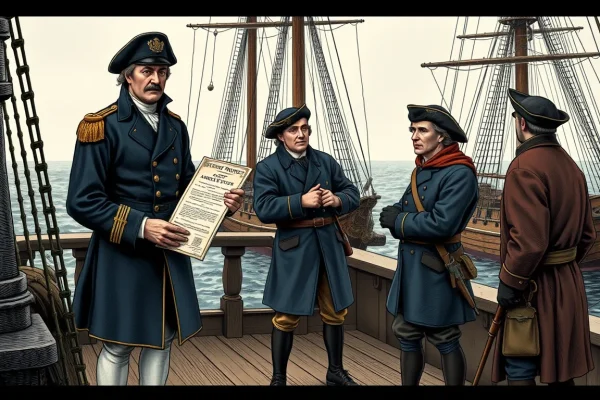
Impressment was the British practice of forcing men into the Royal Navy, and between 1793 and 1815 Royal Navy officers removed sailors from American merchant ships at sea and in Caribbean and Atlantic ports. Because Britain claimed lifelong allegiance from anyone born a British subject, American citizenship papers were often disregarded. The resulting dispute over sailors’ rights became one of the leading maritime grievances behind the United States declaration of war in June 1812. The Treaty of Ghent left the issue unresolved, and the practice lapsed only as the Napoleonic Wars ended.

Read More →

The Chesapeake-Leopard Affair: A Spark of War

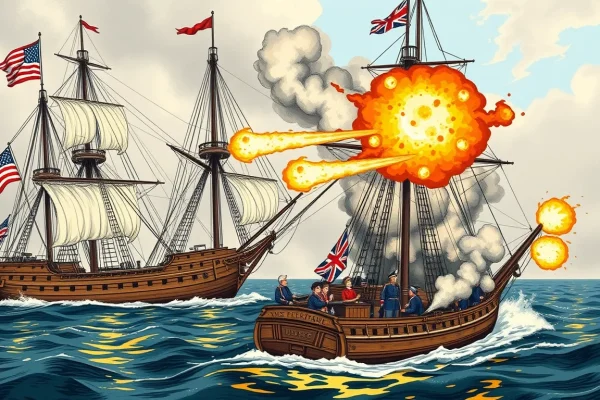
The Chesapeake-Leopard Affair was a naval incident on June 22, 1807, when HMS Leopard attacked and boarded USS Chesapeake off Norfolk, Virginia, searching for Royal Navy deserters. The attack killed and wounded American sailors, seized four alleged deserters, and provoked a diplomatic crisis. It became a major grievance in the years before the War of 1812, intensifying American anger over impressment and neutral rights.

Read More →

The Embargo Act of 1807 Explained

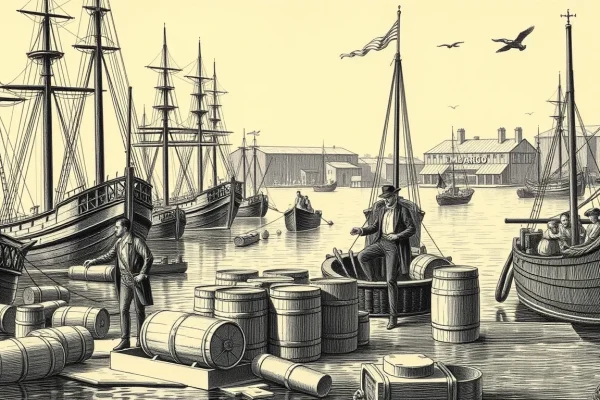
The Embargo Act of 1807 was a U.S. law that prohibited American ships from engaging in foreign trade, enacted December 22, 1807, under President Thomas Jefferson. It was intended to pressure Britain and France to respect American neutral rights during the Napoleonic Wars. The policy failed to change European conduct, severely damaged American commerce, and contributed to the tensions that led to the War of 1812.

Read More →

The Impact of Food Shortages on the American Campaign of 1812

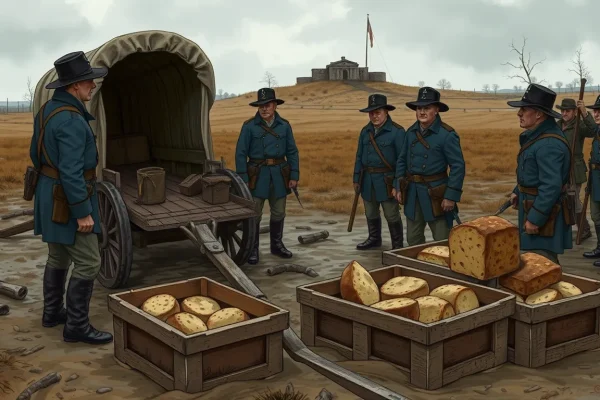
Food shortages severely hampered the American campaign during the War of 1812, contributing to failed invasions of Canada, low morale, and disease. The U.S. Army’s inefficient supply system, geographic challenges, and reliance on unreliable contractors left soldiers hungry and operations crippled. These shortages played a key role in American military failures and spurred postwar logistical reforms.

Read More →

The Embargo Act of 1807 and the Road to War

The Embargo Act of 1807 was a U.S. economic policy that prohibited American ships from engaging in foreign trade in response to British and French seizures of neutral shipping. It was intended to pressure the belligerent powers but instead damaged the American economy, fueled sectional tensions, and became a key step on the road to the War of 1812.

Read More →