The Fall of Detroit and Its Impact on the Northwest Territory

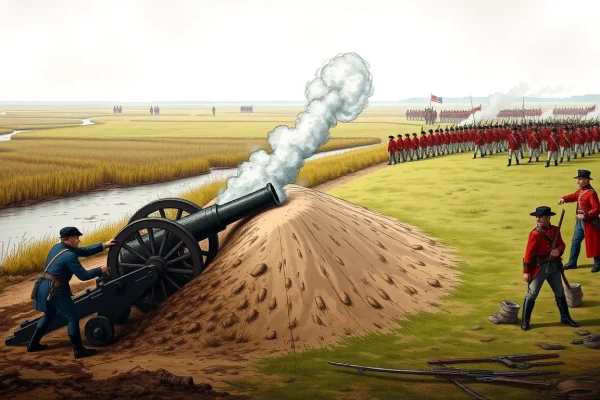
On August 16, 1812, Brigadier General William Hull surrendered Fort Detroit and his army to Major General Isaac Brock and Tecumseh. The defeat gave Britain and its Indigenous allies control of Michigan Territory and the upper Great Lakes, exposed the Old Northwest to raids and sieges, and shattered American confidence. The United States recaptured Detroit in 1813, but the surrender helped set in motion the campaigns that ended Tecumseh’s confederacy.
Read More →

The Explosion at Fort York: Accident or Deliberate Sabotage?

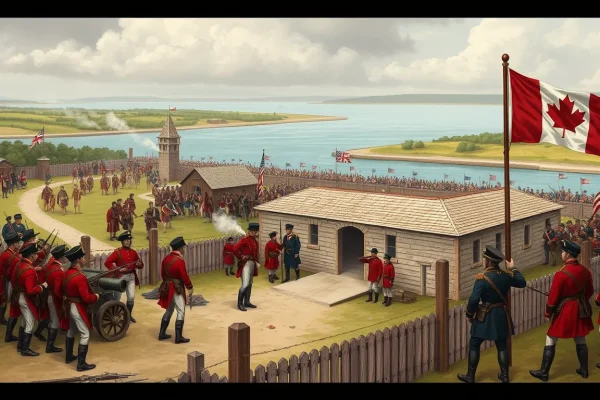
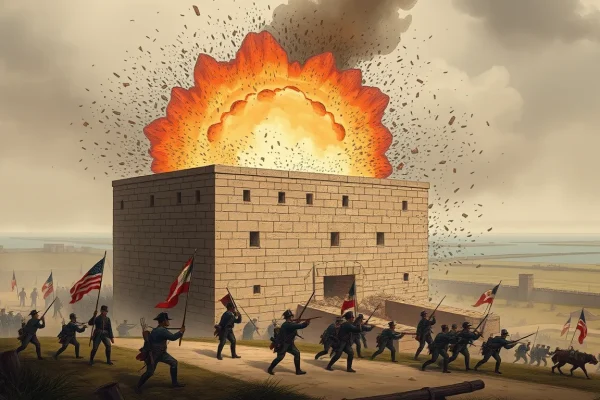
The explosion at Fort York on 27 April 1813 was a deliberate British demolition ordered by Roger Hale Sheaffe to prevent the magazine’s capture, but the heavy American casualties were probably unintended. Contemporary Americans suspected a mine or trap, while modern historians find no proof of an anti-personnel design. The blast killed or wounded more than 250 Americans and mortally wounded Brigadier General Zebulon Pike during the Battle of York.

Read More →

Battle of Mackinac Island (1814): The American Attempt to Retake Fort Mackinac

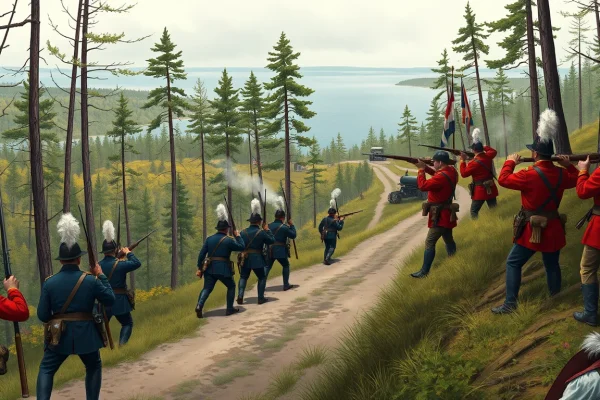
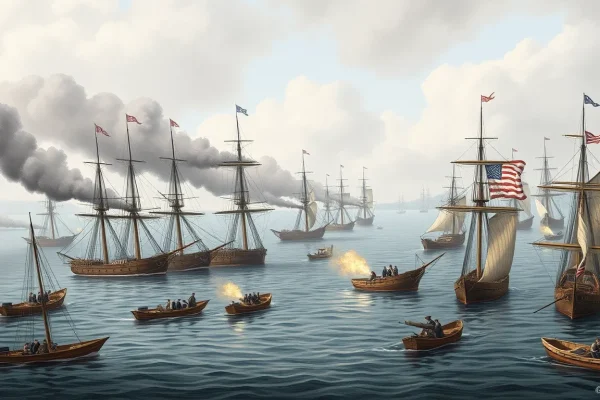
The Battle of Mackinac Island on 4 August 1814 was an unsuccessful American attempt to recapture Fort Mackinac during the War of 1812. A force of roughly 700 men under Lieutenant Colonel George Croghan, supported by Commodore Arthur Sinclair’s naval squadron, landed on the island’s northwest shore but was ambushed by Indigenous warriors and British regulars and forced to re-embark. The defeat left the Straits of Mackinac and the northern fur trade in British hands for the rest of the war.

Read More →

How Did Indigenous Warriors Win the Battle of Beaver Dams?

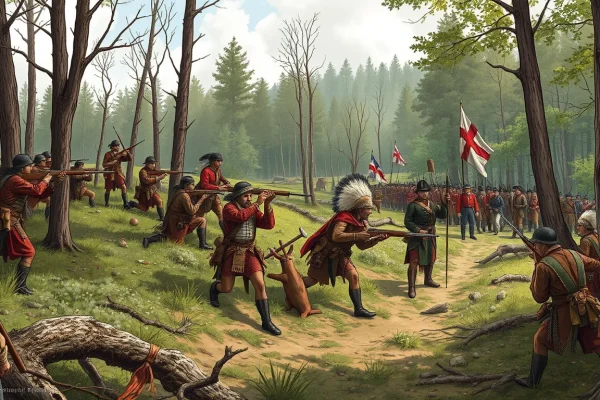
The Battle of Beaver Dams was fought on 24 June 1813 near present-day Thorold, Ontario. A force of about 300 Kahnawake Mohawk and 100 other Mohawk warriors, with British Lieutenant James FitzGibbon’s small reserve, ambushed and forced the surrender of a larger U.S. column under Lieutenant-Colonel Charles G. Boerstler. The victory helped stop the American advance from Fort George and became a central example of Indigenous military effectiveness in the War of 1812.

Read More →

The Battle of New Orleans Explained

The Battle of New Orleans, fought on January 8, 1815, was the last major engagement of the War of 1812, in which American forces under Andrew Jackson decisively repelled a British invasion of Louisiana. Though the Treaty of Ghent had already been signed, the battle’s outcome shaped American national pride and confirmed U.S. control of the Mississippi Valley.

Read More →

Commodore Joshua Barney’s Last Stand at Bladensburg

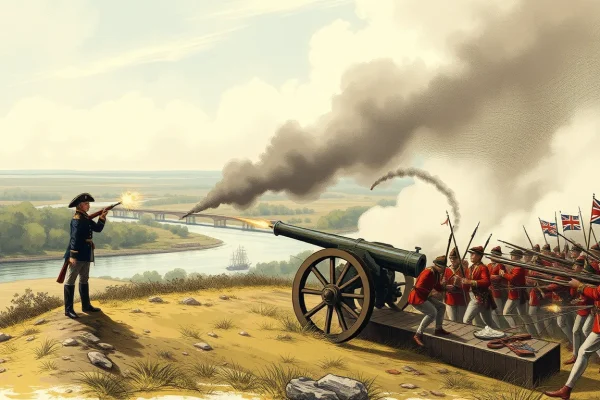
On August 24, 1814, Commodore Joshua Barney and his Chesapeake Flotilla and Marines made a stand at Bladensburg, Maryland, during the British Chesapeake campaign. Their disciplined artillery and musket fire briefly checked the British advance, but the larger American force collapsed around them. Barney was wounded and captured, and the British went on to burn Washington, D.C. The action became the final military stand of Barney’s career and a symbol of naval resistance in an otherwise devastating American defeat.

Read More →