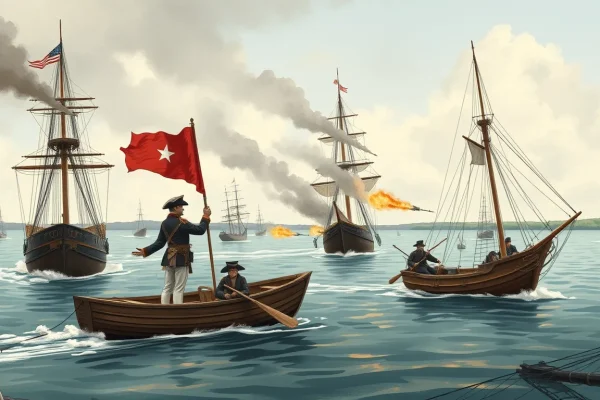
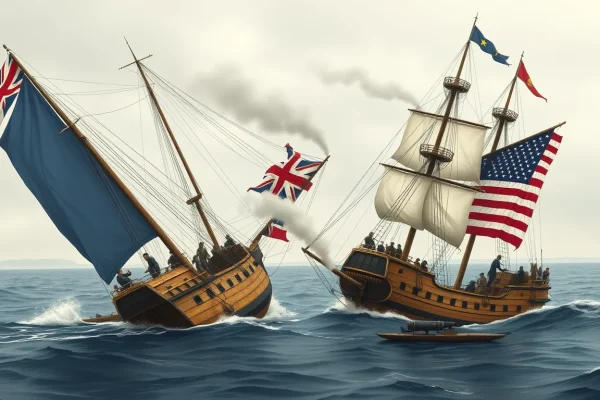
Commodore Oliver Hazard Perry and the Battle of Lake Erie

Commodore Oliver Hazard Perry commanded the U.S. squadron that defeated the British Royal Navy on Lake Erie on 10 September 1813. The victory secured American control of the lake, forced the British to abandon Detroit, and led to the Battle of the Thames. Perry’s famous dispatch, “We have met the enemy and they are ours,” became a defining moment of the War of 1812.
Read More →

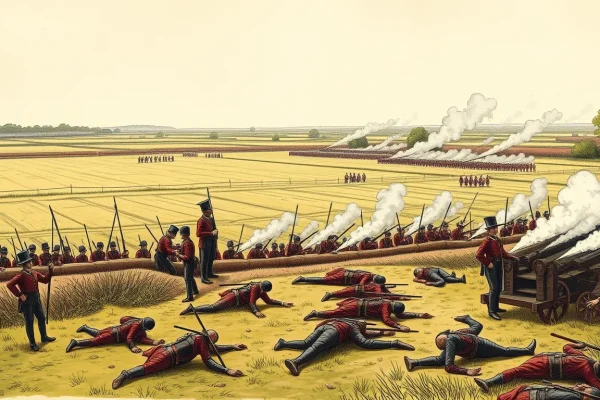
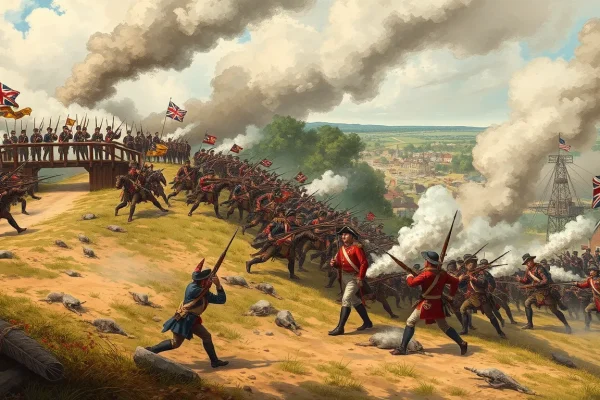
The Bladensburg Races: Why Did the American Militia Collapse in 1814?

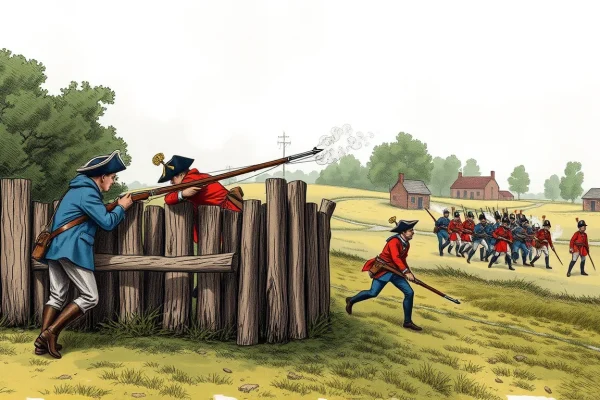
The “Bladensburg Races” refers to the American rout at the Battle of Bladensburg, Maryland, on August 24, 1814. A larger but hastily assembled American force of militia, regulars, sailors, and Marines broke before a smaller British army of veterans, opening Washington, D.C., to capture and burning. The collapse stemmed from poor training, fragmented command, faulty deployment, and aggressive British tactics.

Read More →

How Did Smuggling Shape the War of 1812 in the Gulf?

Smuggling was not a sideshow to the War of 1812 in the Gulf of Mexico but part of its logistics and strategy. The illicit trade centered on Barataria Bay, whose operators the British tried to recruit in 1814 and whose stores and pilots Andrew Jackson later used at New Orleans. Smuggling also sustained Spanish Florida’s ports, the illegal importation of enslaved people, and British efforts to arm Indigenous and Black allies.

Read More →

Battle of North Point: The Land Defense of Baltimore

Fought on September 12, 1814, the Battle of North Point saw Maryland militia under Brigadier General John Stricker clash with a British army under Major General Robert Ross, who was mortally wounded. Although tactically a British victory, the American stand delayed the advance on Baltimore and contributed to the larger American success at the Battle of Baltimore.

Read More →

Battle of Sackets Harbor (1813)

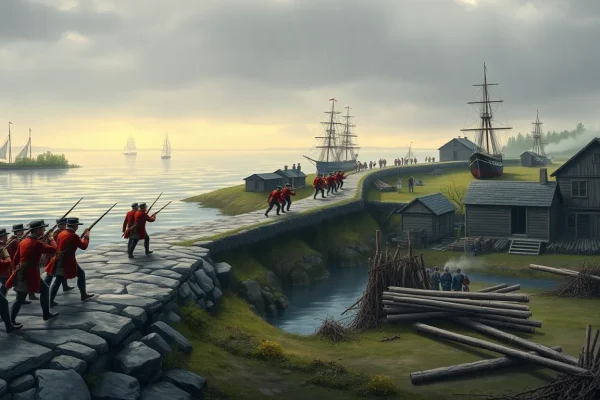
The Battle of Sackets Harbor on 29 May 1813 was a British and Canadian amphibious raid on the principal American naval base and shipyard on Lake Ontario. The attackers were repulsed after several hours of fighting, but American defenders burned naval stores and set fire to a warship under construction before the fire was extinguished. The engagement shaped the wider 1813 campaign on the Niagara frontier.

Read More →

How Did the Death of Zebulon Pike at York Affect the American War Effort?

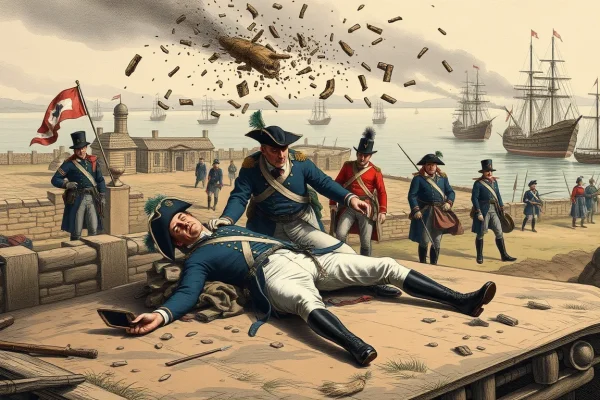
Brigadier General Zebulon Pike was mortally wounded by the explosion of the York magazine on 27 April 1813, during the American raid on York (present-day Toronto). His death removed the ranking U.S. land commander at a moment of tactical victory, contributed to indiscipline and the burning of Upper Canada’s parliament buildings, and became a symbol used to justify retaliation. Its strategic effect on the wider American war effort was limited but real: the raid succeeded, yet the loss of a capable general and the escalation of destructive warfare shaped the 1813 Niagara campaign and later British retaliation.

Read More →

The Battle of New Orleans: Why Did British and American Accounts Differ So Much?

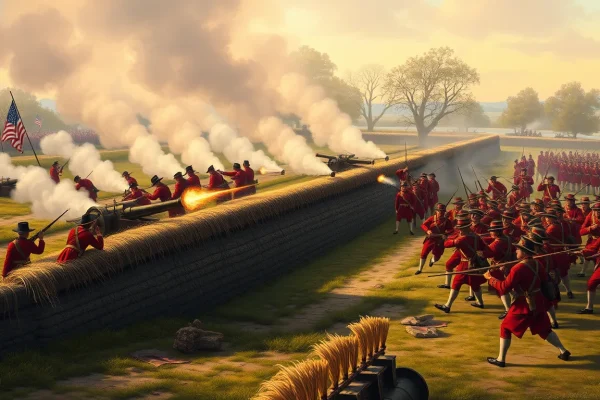
The Battle of New Orleans (January 8, 1815) was a decisive American victory over British forces that became a symbol of national pride, but American and British accounts of the battle diverged sharply due to propaganda, differing strategic contexts, and the timing of the Treaty of Ghent. This article examines the causes and consequences of those differing narratives.

Read More →

Battle of Burnt Corn Creek: The Spark That Ignited the Creek War

The Battle of Burnt Corn Creek, fought on July 27, 1813, in present-day Escambia County, Alabama, was the first armed clash of the Creek War between Red Stick Muscogee and U.S. forces. A Mississippi Territory militia under Col. James Caller ambushed a Red Stick party returning from Pensacola with arms, but the Red Sticks regrouped and drove the militia from the field. Though the militia seized much of the Red Stick ammunition, the engagement helped escalate the Creek War and led to the Fort Mims attack.

Read More →