William Hull’s Invasion of Upper Canada

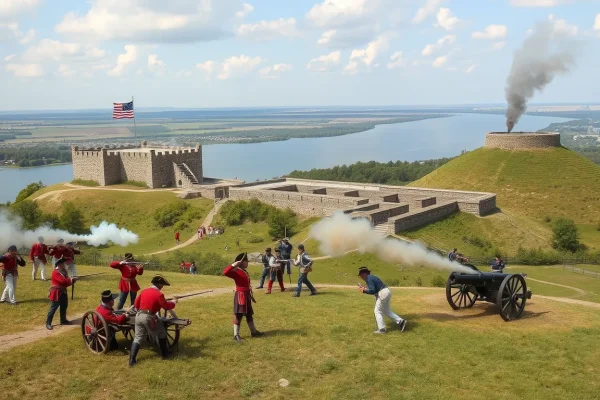
In July 1812, American Brigadier General William Hull led an invasion of Upper Canada from Detroit, crossing the Detroit River and occupying Sandwich. The campaign ended in disaster with Hull’s surrender of Fort Detroit to British Major General Isaac Brock on August 16, 1812, a major early setback for the United States.

Read More →

York During the War of 1812

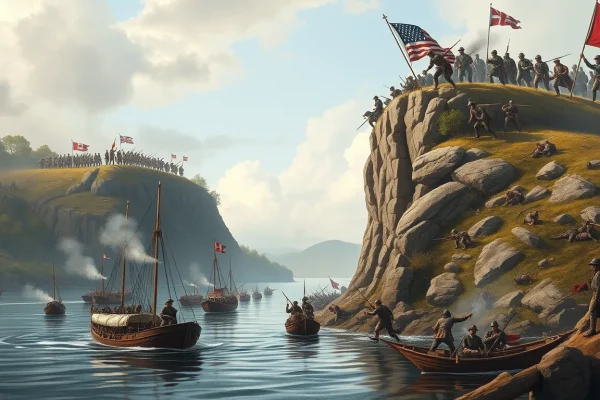
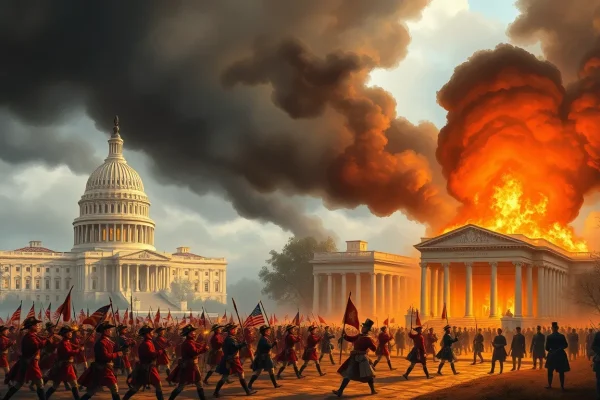
York, the capital of Upper Canada, was captured by American forces on 27 April 1813, leading to the burning of government buildings and later British retaliation at Washington. The attack underscored the strategic importance of Lake Ontario and became a defining event of the War of 1812.

Read More →

Shipbuilding at Kingston During the War of 1812

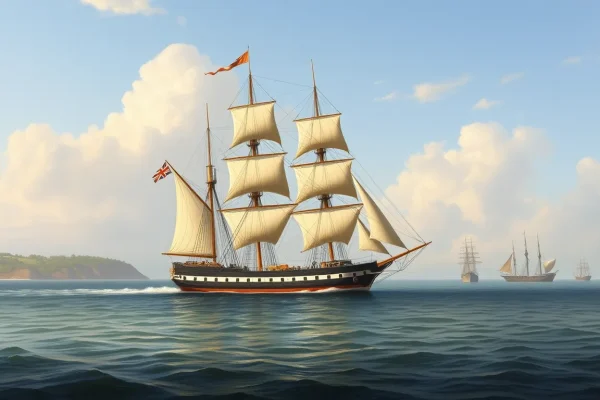
Shipbuilding at Kingston during the War of 1812 refers to the large-scale construction of warships at the Royal Navy dockyard on Point Frederick, present-day Kingston, Ontario. This shipyard built the vessels that enabled the British to contest control of Lake Ontario, directly influencing the war’s outcome on the Upper Canada frontier.

Read More →

Second Battle of Fort Bowyer

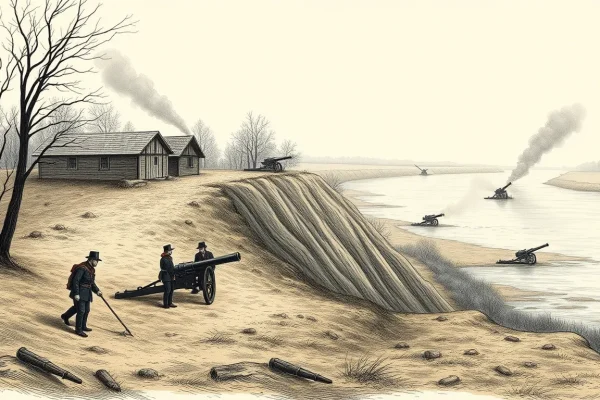
The Second Battle of Fort Bowyer (February 8–12, 1815) was the last land engagement of the War of 1812. A British force of about 5,000 veterans, fresh from the Battle of New Orleans, besieged and forced the surrender of an American garrison of roughly 375 men. The fort fell just days before news of the Treaty of Ghent arrived, making the British victory strategically moot.

Read More →

Battle of Chippawa

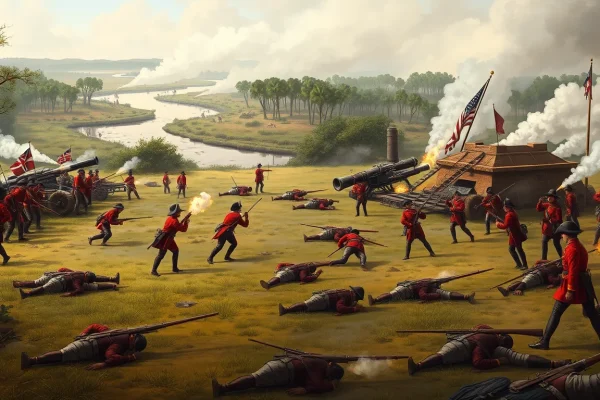
The Battle of Chippawa, fought on July 5, 1814, was a decisive American victory over British forces during the War of 1812. It demonstrated that properly trained American regulars could defeat British professionals in an open-field engagement, marking a turning point in the Niagara campaign.

Read More →