Naval Guns During the War of 1812

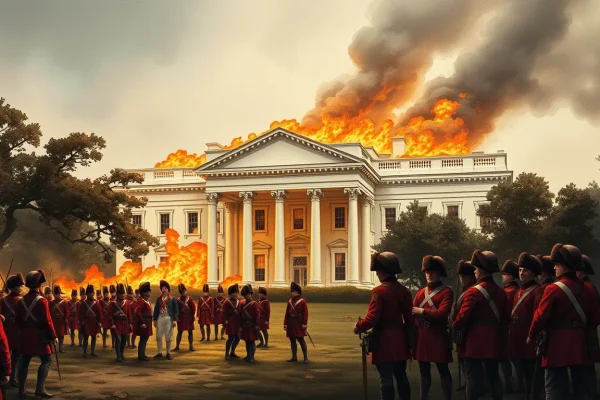
Naval guns in the War of 1812 included long guns, carronades, and howitzers mounted on frigates, sloops, and gunboats. Their design and employment shaped significant frigate duels and Great Lakes battles, with American ships often carrying heavier shot but the Royal Navy relying on superior discipline and long guns.

Read More →

The Siege of Detroit Explained

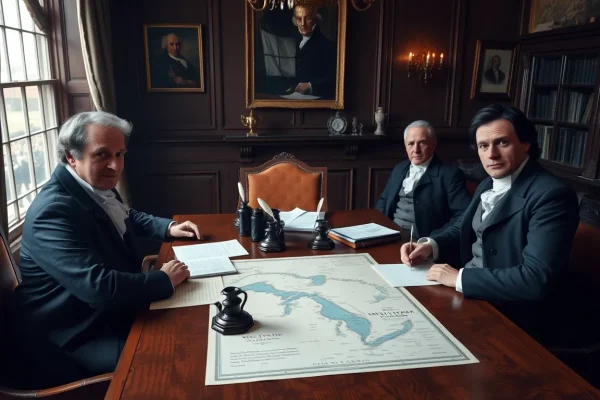
The Siege of Detroit (15–16 August 1812) was an early War of 1812 engagement in which British and Indigenous forces under Major General Isaac Brock and Tecumseh compelled the surrender of American Brigadier General William Hull’s larger army at Fort Detroit, securing the Michigan Territory for Britain.

Read More →

Why Did Britain Retreat After Plattsburgh?

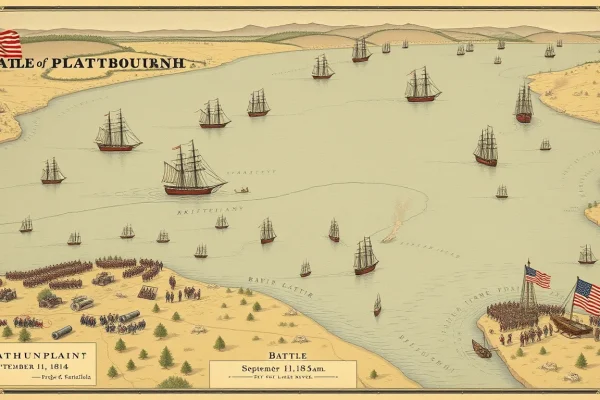
After the American naval victory at Plattsburgh on September 11, 1814, British commander Sir George Prevost called off the land assault and retreated to Canada. The retreat stemmed from the loss of naval support, fears for supply lines, and Prevost’s cautious judgment, a decision that many subordinates and later historians have debated.

Read More →

War of 1812 Veteran Land Grants

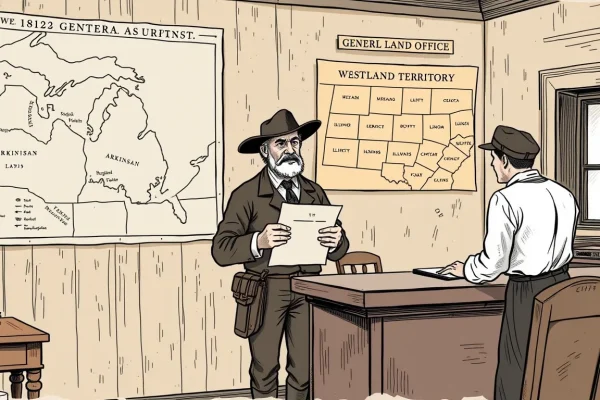
War of 1812 veteran land grants were a system of free public lands offered by the United States to encourage enlistment and compensate regular soldiers. Authorized by acts of 1811–1814, these grants distributed millions of acres in Michigan, Illinois, Arkansas, and Missouri, shaping western settlement and federal land policy.

Read More →