Army Bounties During the War of 1812

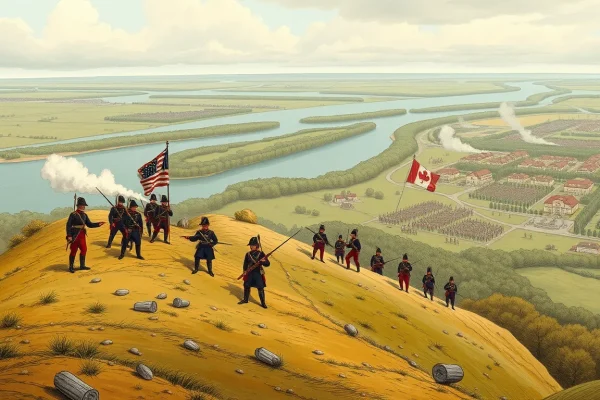
During the War of 1812, the United States offered cash payments and land warrants—known as bounties—to encourage enlistment. Congress authorized 160 acres for five-year service, later doubled to 320 acres. These bounty land warrants shaped recruitment, land distribution, and the dispossession of Native American lands.

Read More →

Winfield Scott at Queenston Heights

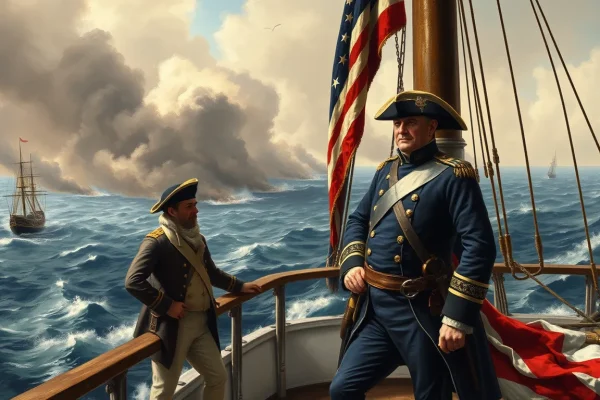
At the Battle of Queenston Heights on 13 October 1812, American Lieutenant Colonel Winfield Scott took command of the U.S. force on the heights after his superiors were wounded, and was forced to surrender to the British after militia reinforcements refused to cross the Niagara River.

Read More →

Battle of Frenchtown

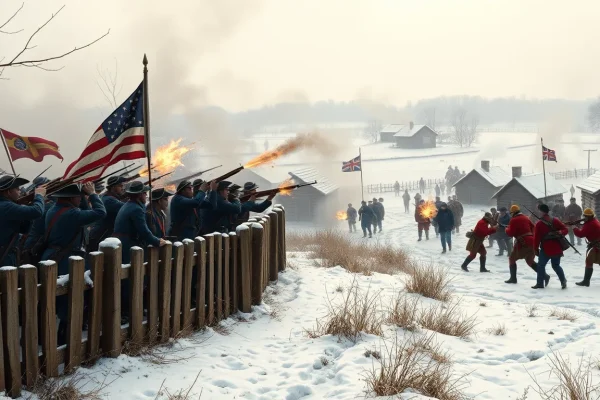
The Battle of Frenchtown, fought on January 18 and 22, 1813, near present-day Monroe, Michigan, was a decisive British and Indigenous victory during the War of 1812. The defeat and subsequent massacre of American prisoners sparked the rallying cry ‘Remember the Raisin’.

Read More →

Second Siege of Fort Meigs

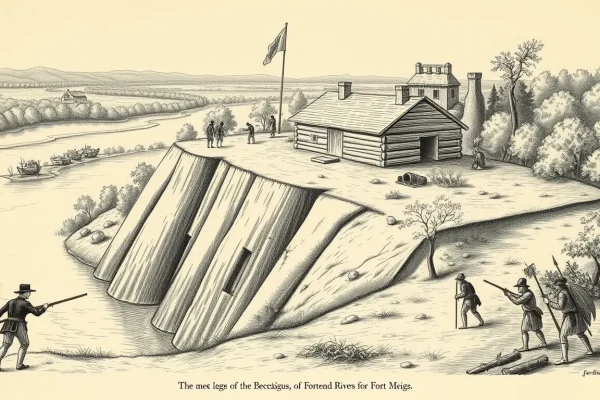
The Second Siege of Fort Meigs (July 21–28, 1813) was a failed British and Indigenous attempt to capture the American fort on the Maumee River by ruse. The garrison under Green Clay refused to be lured out, forcing the attackers to withdraw and marking a turning point in Anglo-Indigenous cooperation.

Read More →