Federalists and the War of 1812

The Federalist Party, strongest in New England, was the principal organized opponent of the War of 1812. Federalists in Congress, state governments, and the press challenged the conflict’s legitimacy and strategy, culminating in the Hartford Convention of 1814–15, and the party’s opposition contributed to its permanent decline after the war.

Read More →

Robert Heriot Barclay at Lake Erie

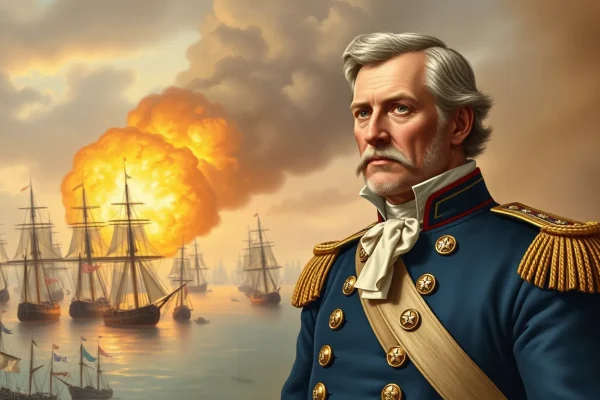
Robert Heriot Barclay commanded the British naval squadron on Lake Erie during the War of 1812 and was defeated by Oliver Hazard Perry at the Battle of Lake Erie on September 10, 1813. His surrender marked the first time a British naval squadron had been captured in battle, shifting control of the lake to the United States.

Read More →

How Many People Died in the War of 1812?

The precise number of deaths in the War of 1812 is uncertain. U.S. military records list 2,260 fatalities, but the total death toll, including British, Canadian, Indigenous, and civilian losses, is estimated at 15,000 or more. This article explains the figures, their limitations, and how historians interpret them.

Read More →

The Capture of Fort Mackinac

The Capture of Fort Mackinac on 17 July 1812 was the first military action of the War of 1812 in the upper Great Lakes, resulting in a bloodless British victory. The seizure of this strategic post secured control of the Straits of Mackinac, influenced Indigenous alliances, and contributed to later American setbacks such as the fall of Detroit.

Read More →

James Monroe During the War of 1812

James Monroe, as Secretary of State and later Secretary of War under President James Madison, shaped American diplomacy and defense during the War of 1812. He led prisoner exchanges, advised on military strategy, and helped defend Washington, D.C., before becoming the fifth president.

Read More →

Battle of Fort George

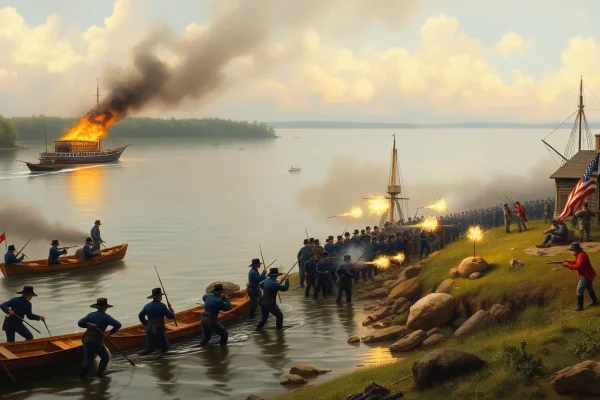
The Battle of Fort George (May 25–27, 1813) was an American amphibious assault that captured the British fort at the mouth of the Niagara River, but the British garrison escaped intact, rendering the victory strategically hollow.

Read More →

Albert Gallatin at the Ghent Negotiations

Albert Gallatin, the Swiss-born American Secretary of the Treasury, was the senior and most effective member of the U.S. delegation that negotiated the Treaty of Ghent, which ended the War of 1812. His diplomatic skill, patience, and willingness to compromise were decisive in achieving peace on terms of status quo ante bellum in December 1814.

Read More →