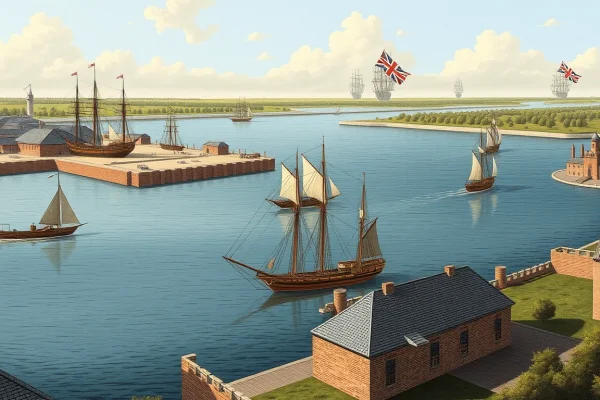
Kingston During the War of 1812

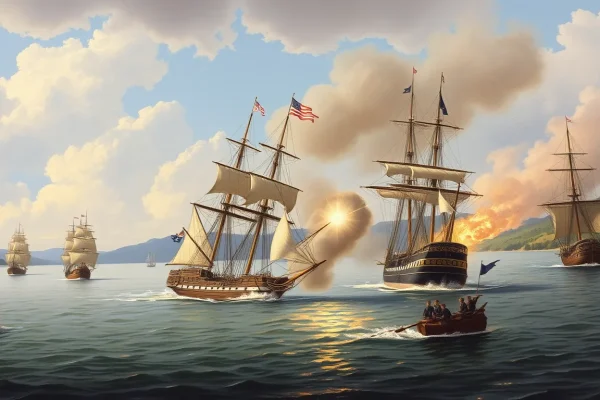
Kingston, Upper Canada, served as the British naval and military headquarters on Lake Ontario during the War of 1812. Despite being a vital shipbuilding and supply centre, it faced only one direct American attack in November 1812 and remained a key defensive strongpoint throughout the conflict.

Read More →

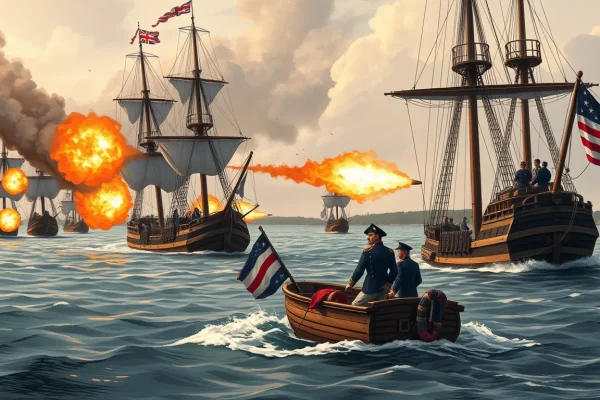
Northwest Campaign of 1813

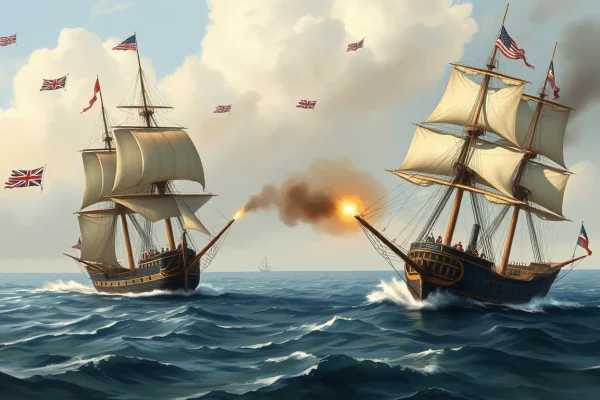
The Northwest Campaign of 1813 was a series of American operations in the Great Lakes region, including the Battle of Frenchtown, Sieges of Fort Meigs, Battle of Lake Erie, and Battle of the Thames, which ended Tecumseh’s confederacy and secured American control of the Northwest.

Read More →

USS Saratoga and the Battle of Lake Champlain

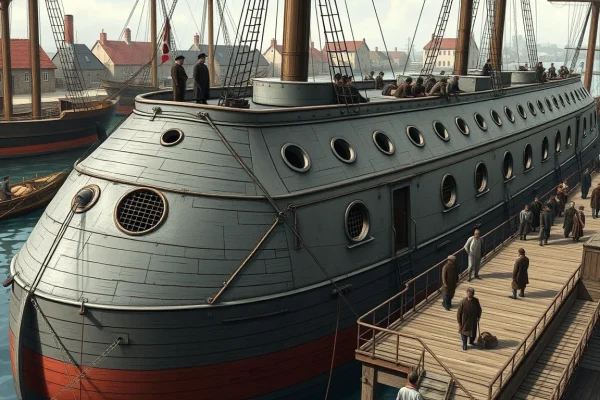
The USS Saratoga, flagship of Thomas Macdonough’s Lake Champlain squadron, played a decisive role in the American naval victory over a British fleet in Plattsburgh Bay on September 11, 1814. This battle, also known as the Battle of Lake Champlain, halted a British invasion of New York and helped shape the negotiations that ended the War of 1812.

Read More →

Diplomacy During the War of 1812

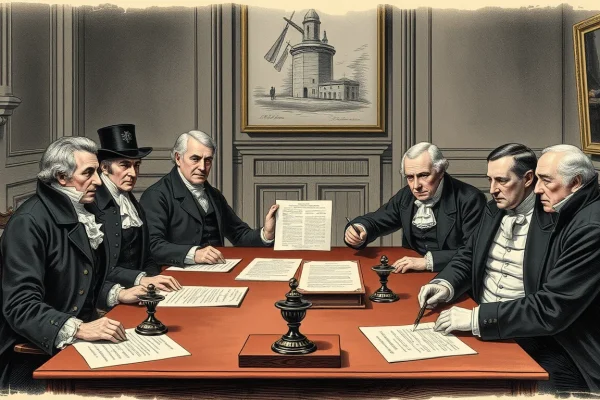
Diplomacy during the War of 1812 centered on unresolved disputes over impressment, trade restrictions, and Native American conflicts, leading to the Treaty of Ghent. Although the treaty restored pre-war borders, it left the original maritime grievances unresolved, yet it paved the way for improved Anglo-American relations.

Read More →

War of 1812 Discharge Certificates

War of 1812 discharge certificates are official documents issued to regular U.S. Army soldiers upon their discharge from service between 1792 and 1815. These records, now preserved by the National Archives, provide essential details about soldiers’ service, compensation, and physical condition, and are a vital resource for genealogists and historians.

Read More →

How to Read War of 1812 Military Reports

Military reports from the War of 1812 are official dispatches and letters that preserve commanders’ accounts of battles and campaigns, but they carry inherent biases and errors. Learning to read them critically—examining authorship, audience, and purpose—is essential for understanding the war’s history and avoiding misinterpretation.

Read More →