Prize Money During the War of 1812

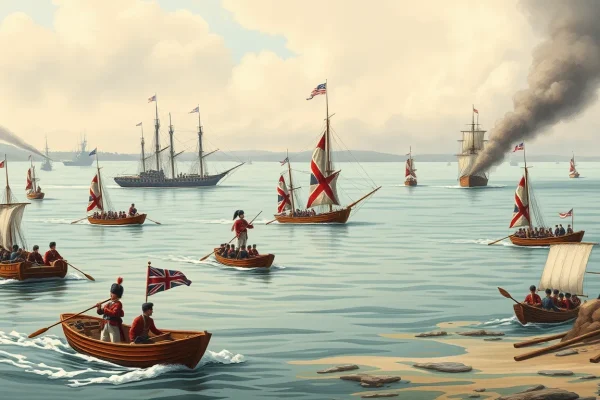
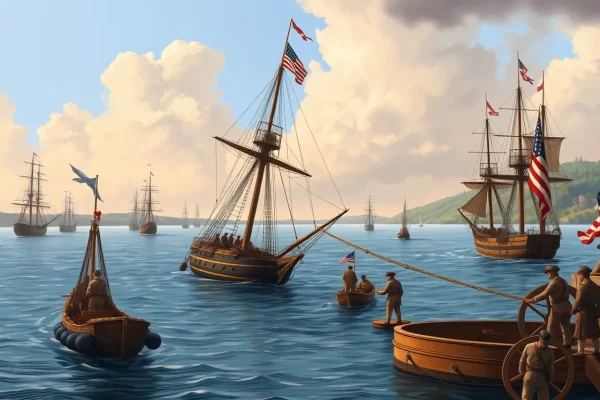
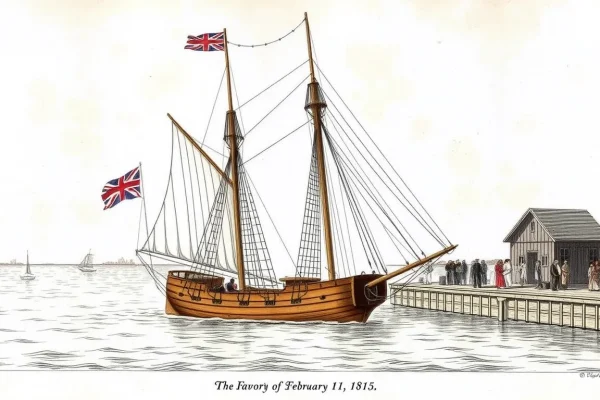
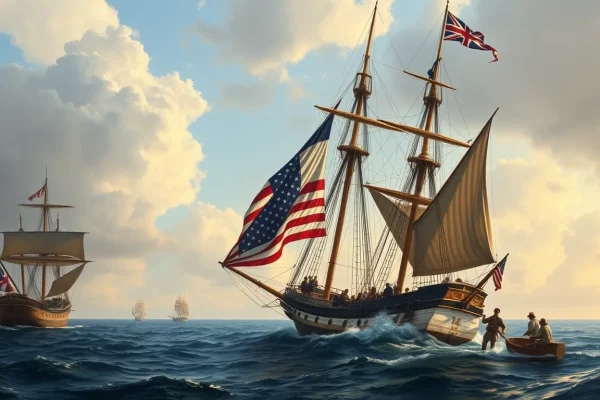
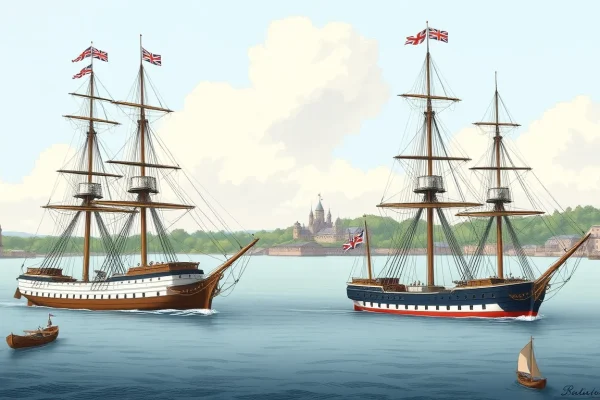
Prize money, the proceeds from captured enemy ships and cargoes, was a central economic incentive for naval officers, sailors, and privateers during the War of 1812. Both the United States and Great Britain established legal frameworks to encourage captures, distributing shares according to elaborate schedules that shaped maritime warfare.

Read More →

The Naval War of 1812: Ships, Battles, and Blockades

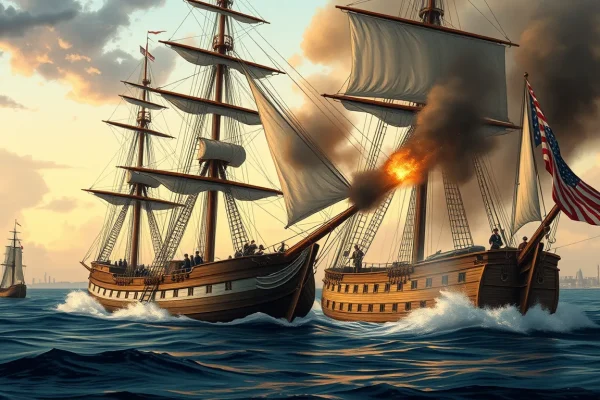
The naval war of 1812–1815 was the oceanic struggle between the small United States Navy, American privateers, and the far larger Royal Navy. American heavy frigates won a celebrated series of single-ship duels in 1812, but Britain responded with an escalating blockade that by April 1814 closed the entire American coast. The fighting shaped morale, commerce, and strategy throughout the War of 1812, even though the Treaty of Ghent restored the pre-war status quo.

Read More →

Stephen Decatur and USS President

Stephen Decatur, commander of the U.S. frigate USS President, attempted to run the British blockade of New York on 14–15 January 1815. After grounding on a sandbar and suffering damage, President was pursued and captured by a British squadron led by HMS Endymion, ending the last major frigate action of the War of 1812.

Read More →

The Privateer General Armstrong

The General Armstrong was an American privateer brig in the War of 1812, notable for her successful raiding voyages and her last stand in September 1814 at Fayal in the Azores, where her crew repelled British boarding attacks before the ship was scuttled. Her defense became a celebrated episode in American naval history.

Read More →

Baltimore Clippers and the War of 1812

Baltimore clippers, fast topsail schooners built in Chesapeake Bay shipyards, became the most effective American privateers during the War of 1812. Operating from Baltimore, they captured hundreds of British merchant vessels, inflicted millions of dollars in losses, and forced the Royal Navy to respond, shaping the conflict’s naval dimensions.

Read More →

The British Blockade of the United States (1812–1815)

The British blockade of the United States during the War of 1812 progressively closed American ports to trade and naval movement, devastating the economy and constraining the U.S. Navy. Extended from the Chesapeake in 1812 to include the entire Atlantic and Gulf coasts by 1814, the blockade was a significant instrument of British economic warfare and remains a subject of scholarly debate over its decisiveness.

Read More →

USS Peacock vs HMS Epervier

On 29 April 1814, the American sloop-of-war USS Peacock, commanded by Lewis Warrington, defeated and captured the British brig-sloop HMS Epervier off the east coast of Florida in a 42-minute action. The victory, secured with no American fatalities, yielded a valuable prize of $118,000 in specie and reinforced the reputation of the U.S. Navy in single-ship engagements during the War of 1812.

Read More →

Naval Guns During the War of 1812

Naval guns in the War of 1812 included long guns, carronades, and howitzers mounted on frigates, sloops, and gunboats. Their design and employment shaped significant frigate duels and Great Lakes battles, with American ships often carrying heavier shot but the Royal Navy relying on superior discipline and long guns.

Read More →