Naval Operations on Lake Champlain

Naval operations on Lake Champlain during the War of 1812 centered on the naval race between American and British squadrons and culminated in the American victory at the Battle of Lake Champlain on September 11, 1814, which ended the British invasion from Canada and influenced peace negotiations at Ghent.

Read More →

Signals and Communications on Warships in the War of 1812

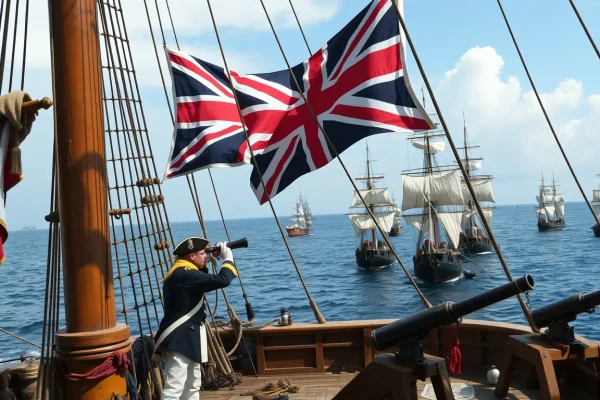
Signals and communications on warships during the War of 1812 relied on visual methods such as flag hoists, signal guns, and semaphore. Effective signaling was crucial for fleet coordination, and both the British and American navies developed distinct systems to manage their forces. This article explores how these systems worked and their impact on key naval engagements.

Read More →

Lake Ontario Naval Campaign

The Lake Ontario Naval Campaign was a prolonged naval arms race and series of small engagements between American and British forces on Lake Ontario during the War of 1812. It ended in a strategic stalemate, as neither side secured decisive control of the lake.

Read More →

USS Niagara in the Battle of Lake Erie

USS Niagara, a 20-gun snow-brig, served as Oliver Hazard Perry’s relief flagship during the Battle of Lake Erie on 10 September 1813. After Perry transferred from the disabled Lawrence, Niagara broke the British line and secured a decisive American victory, ensuring control of Lake Erie.

Read More →

USS President in the War of 1812

USS President, a 44-gun frigate of the United States Navy, served under Commodore Stephen Decatur during the War of 1812. After a failed breakout attempt from New York on 14–15 January 1815, she was captured by a British squadron, marking the end of major American frigate operations.

Read More →