Naval Guns During the War of 1812

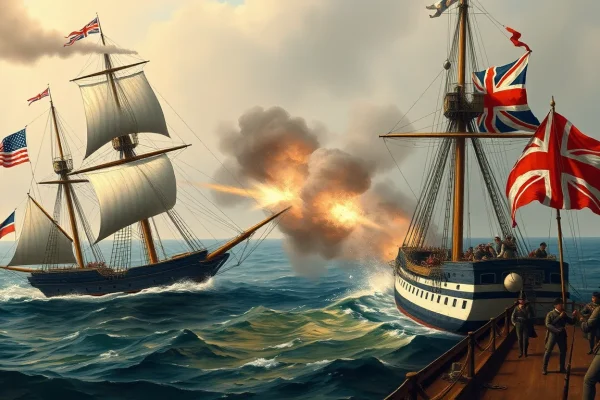
Naval guns in the War of 1812 included long guns, carronades, and howitzers mounted on frigates, sloops, and gunboats. Their design and employment shaped significant frigate duels and Great Lakes battles, with American ships often carrying heavier shot but the Royal Navy relying on superior discipline and long guns.

Read More →

Shipbuilding at Sackett’s Harbor

During the War of 1812, Sackett’s Harbor on Lake Ontario became the most active American naval station, where shipbuilder Henry Eckford constructed a fleet that challenged British control of the lake. The rivalry with British Kingston marked a major wartime shipbuilding race.

Read More →

Why Did HMS Shannon Defeat USS Chesapeake?

On 1 June 1813, HMS Shannon defeated USS Chesapeake off Boston in a short but bloody action. The British victory resulted largely from Captain Philip Broke’s rigorous gunnery training and the superior discipline of his crew, which overwhelmed a larger but ill-prepared American ship. The defeat ended American frigate supremacy and became a symbol of naval preparedness.

Read More →

American Privateers in the War of 1812

During the War of 1812, privately owned armed ships commissioned by the United States government raided British merchant shipping, capturing more than 1,300 vessels and nearly forcing the British to abandon their maritime trade. These privateers played a crucial role in the naval war despite being separate from the small U.S. Navy.

Read More →

Single-Ship Duels in the War of 1812

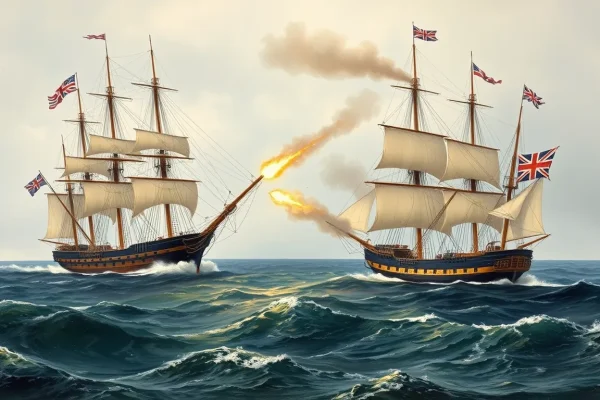
Single-ship duels in the War of 1812 were naval engagements between individual warships, most often frigates, that captured public attention and shaped perceptions of naval power. Occurring primarily in the Atlantic between 1812 and 1814, these contests saw the small U.S. Navy achieve celebrated victories against the Royal Navy, while also suffering defeats. Though strategically limited, these duels had outsized psychological and symbolic effects on both nations.

Read More →