Communication During the War of 1812

During the War of 1812, slow and unreliable communication shaped military decisions, public opinion, and diplomacy. This article explains the postal systems, military expresses, newspapers, and naval channels that carried news across the Atlantic world, and how these limitations influenced the war’s outcome.
Read More →

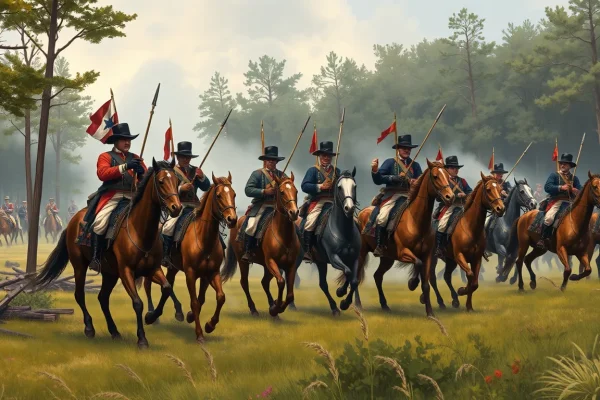
How Cavalry Was Used in the War of 1812

During the War of 1812, cavalry forces on all sides were small, under-equipped, and used primarily for reconnaissance, raiding, and pursuit rather than shock charges. Both American regular dragoons and volunteer mounted riflemen adapted to frontier conditions, while British and Canadian mounted forces played a limited supporting role.

Read More →

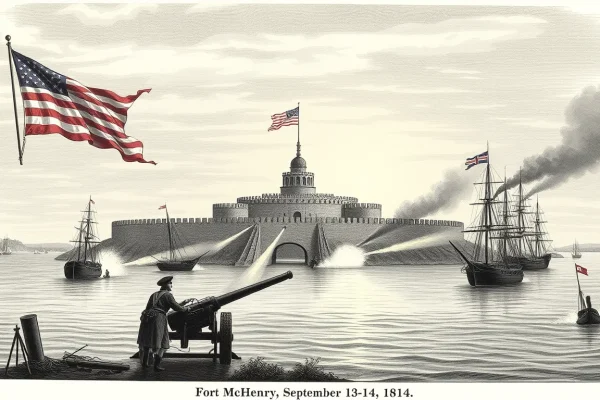
Fort McHenry During the War of 1812

Fort McHenry was the American strongpoint that defended Baltimore during the British attack of September 13–14, 1814. The British bombardment failed to force the fort’s surrender, and the sight of the American flag at dawn inspired Francis Scott Key to write the poem that became ‘The Star-Spangled Banner.’

Read More →

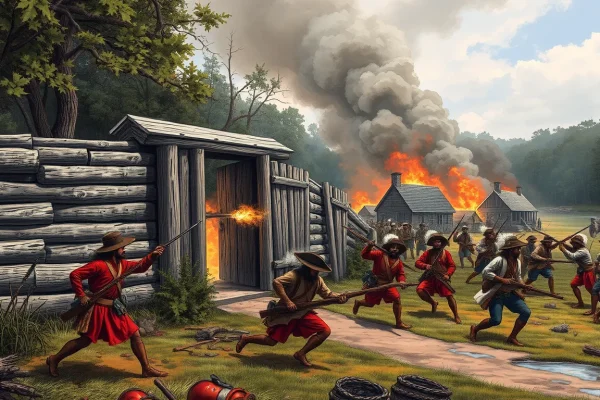
Fort Mims Massacre

On August 30, 1813, Red Stick Creek warriors attacked Fort Mims in present-day Alabama, killing most of the garrison and refugee civilians. The massacre ignited the Creek War and became a rallying cry for American military campaigns in the Southern theater of the War of 1812.

Read More →

Trade During the War of 1812

Trade was both a primary cause and a major casualty of the War of 1812. The British blockade devastated American exports, while American privateers harassed British commerce, shaping the war’s economic impact and influencing post-war American industrialization.

Read More →

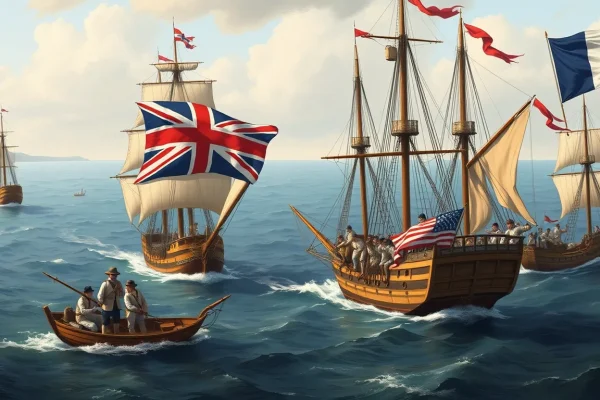
How the Napoleonic Wars Shaped the War of 1812

The Napoleonic Wars between Britain and France directly caused the War of 1812. Britain’s maritime restrictions, including the Orders-in-Council and impressment of American sailors, were tools in its economic war against Napoleon. These policies violated American neutral rights and led to the U.S. declaration of war on Britain in June 1812.

Read More →