Indigenous Memory of the War of 1812

Indigenous memory of the War of 1812 encompasses the oral traditions, autobiographies, and cultural recollections of First Nations, Métis, and Native American peoples who participated in the conflict. These perspectives offer critical insights into the war’s impact on Indigenous communities, their alliances, and the betrayal they experienced in its aftermath.

Read More →

British Strategy in Upper Canada in 1812

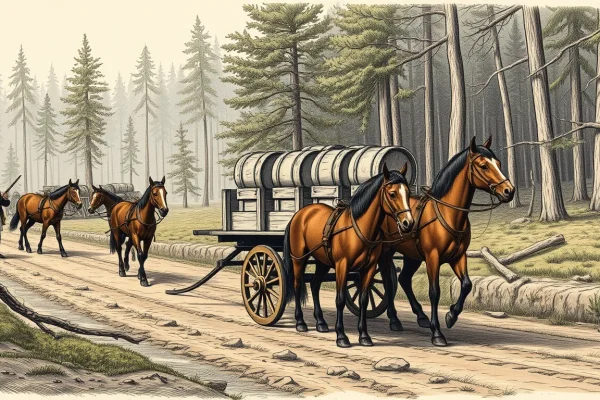
In 1812, Britain’s strategy in Upper Canada was defensive: hold the St. Lawrence-Great Lakes corridor, secure Indigenous alliances, and avoid major losses until Napoleon was defeated in Europe. Key actions under Isaac Brock captured Michilimackinac and Detroit, temporarily securing the western frontier.

Read More →

Did Britain Invade the United States?

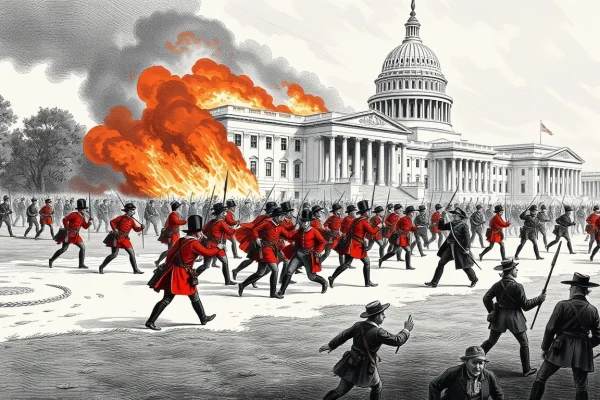
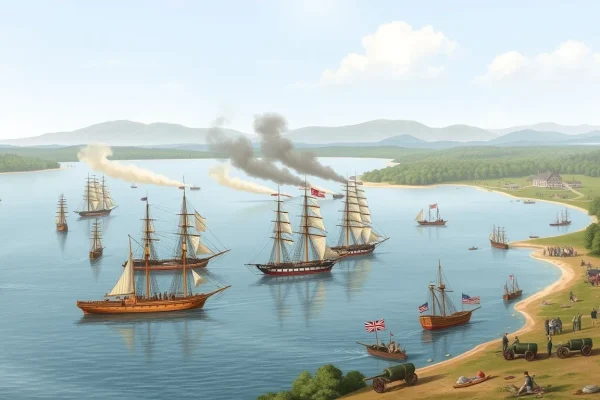
Yes, Britain invaded the United States during the War of 1812, most notably in August 1814 when a British force captured and burned Washington, D.C. While the war was fought mainly in Canada and at sea, British amphibious expeditions targeted the U.S. Atlantic coast, including Baltimore and Washington.

Read More →

American Forces at the Battle of New Orleans

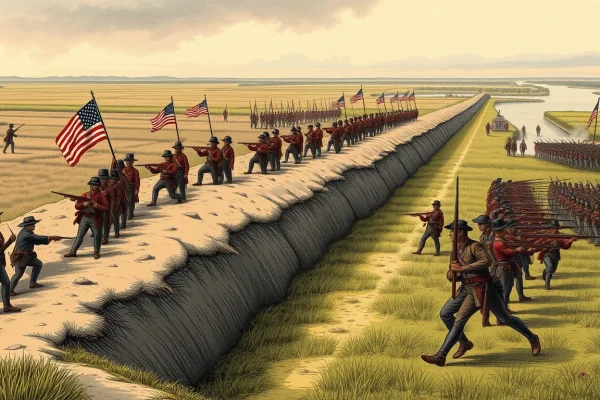
The American forces at the Battle of New Orleans, led by Major General Andrew Jackson, consisted of a diverse coalition of regular infantry, militia, volunteers, free men of color, Native Americans, and Baratarian pirates. Their successful defense of the Rodriguez Canal on January 8, 1815, repelled a British invasion and became a defining American victory of the War of 1812.

Read More →

Bayonets and Close Combat in the War of 1812

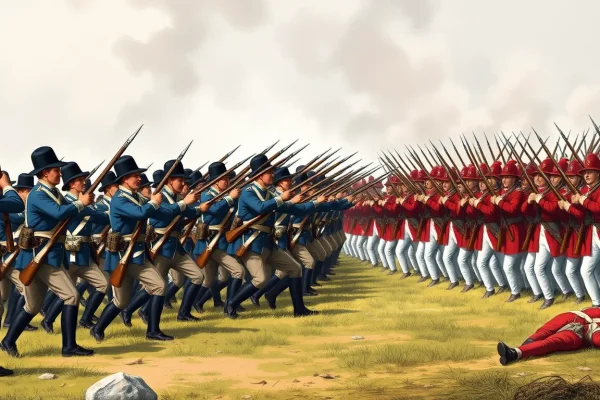
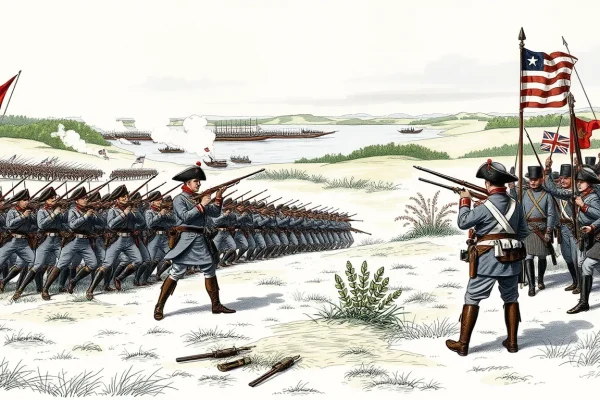
Bayonets were the standard shock weapon of infantry during the War of 1812, and close combat with bayonet, sword, and musket butt proved decisive in battles such as Stoney Creek and Lundy’s Lane. This article examines the weapons, tactics, and archaeological evidence for hand-to-hand fighting in the war, as well as how historians have interpreted its importance.

Read More →

James Madison Papers and the War of 1812

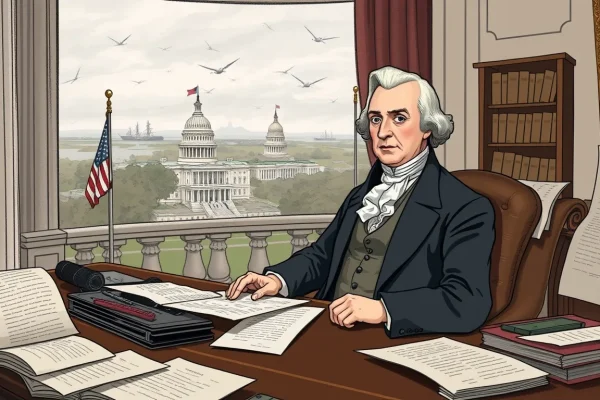
The Papers of James Madison, a comprehensive documentary edition, provide essential primary sources for understanding President James Madison’s leadership during the War of 1812. The Presidential Series volumes cover his correspondence, policy decisions, military strategy, and diplomacy from the declaration of war through its conclusion. This article examines how the Papers illuminate the war’s causes, events, and political challenges.

Read More →

Indigenous Forces at Beaver Dams

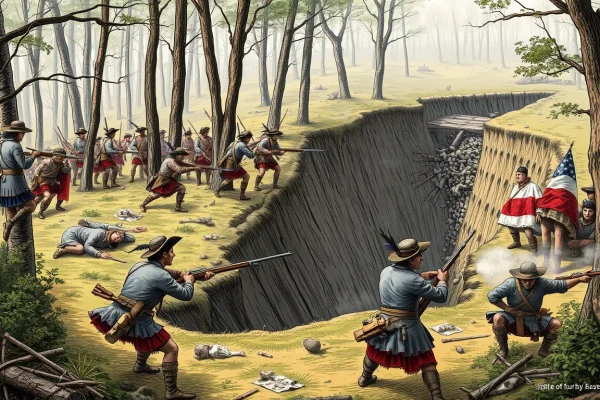
On 24 June 1813, Indigenous warriors from several Mohawk communities ambushed and defeated an American column near Beaver Dams (Thorold, Ontario), forcing its surrender to British troops. The victory was won largely by Indigenous forces, yet they received little credit and few rewards, shaping later disputes over recognition.

Read More →