How News of the Treaty of Ghent Reached North America

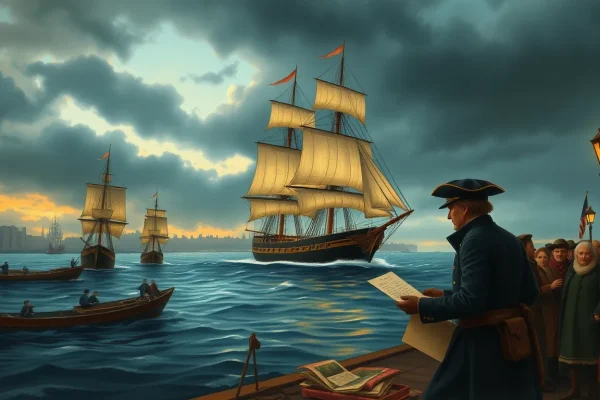
Signed on December 24, 1814, the Treaty of Ghent officially ended the War of 1812, but news of the peace did not reach North America until February 11, 1815, when the British packet Favorite arrived in New York. The delay allowed the Battle of New Orleans to be fought after the treaty was signed and shaped American perceptions of the war’s outcome.

Read More →

Macon’s Bill No. 2 Explained

Macon’s Bill No. 2 (1810) was a U.S. law that reopened trade with Britain and France while threatening to re-impose an embargo on whichever belligerent failed to respect American neutral rights. It was exploited by Napoleon and contributed directly to the coming of the War of 1812.

Read More →

Battle of Châteauguay

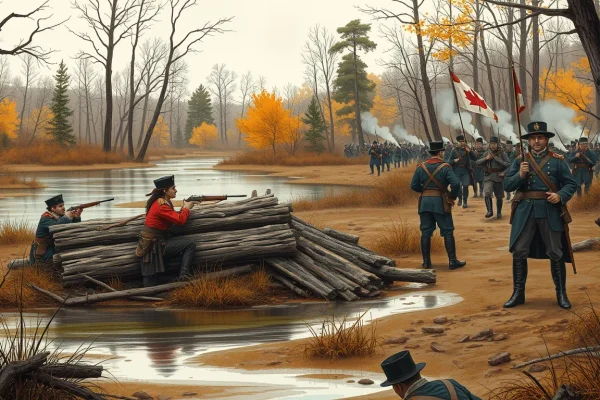
The Battle of Châteauguay, fought on 26 October 1813, was a significant engagement in the War of 1812 where a small Canadian and Indigenous force under Charles-Michel de Salaberry repelled a larger American army led by Wade Hampton, preventing an advance on Montreal and influencing the failure of the American Saint Lawrence campaign.

Read More →

Fort Stephenson During the War of 1812

Fort Stephenson, a small American stockade on the Sandusky River in Ohio, became the site of a decisive American victory on August 2, 1813. Major George Croghan and about 160 men repelled a larger British and Indigenous force under General Henry Procter, boosting American morale in the Northwest Territory.

Read More →

Battle of Queenston Heights

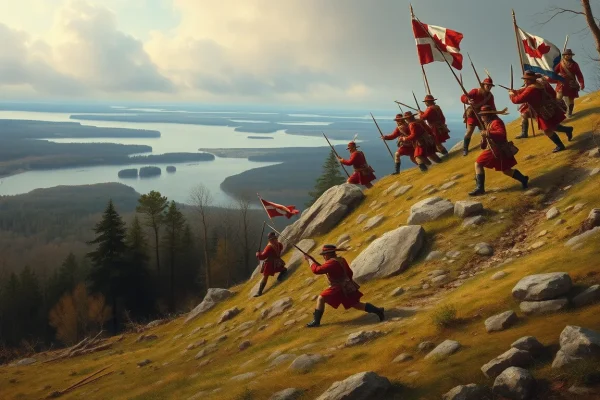
The Battle of Queenston Heights (13 October 1812) was the first major engagement of the War of 1812, fought on the Niagara frontier. It ended in a British, Canadian, and Indigenous victory, but the British commander Isaac Brock was killed, making it a pivotal moment in Canadian memory.

Read More →