What Role Did the Ojibwe Play in the Defense of York?

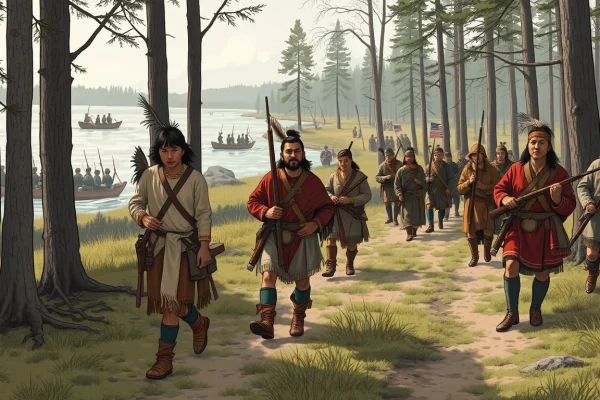
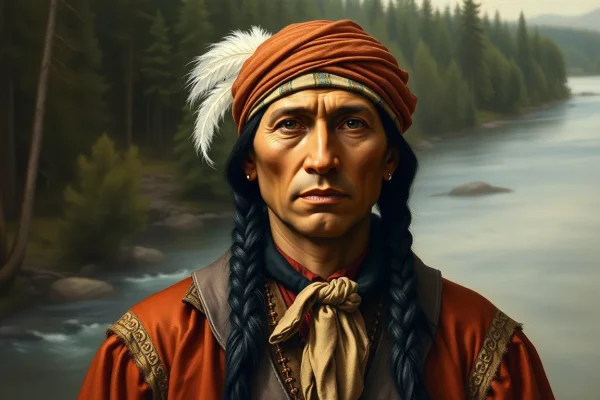
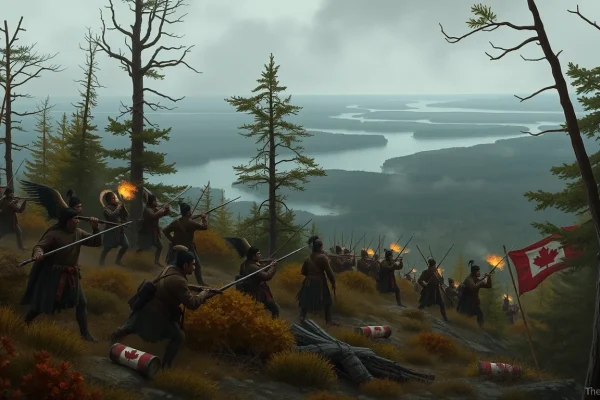
The Ojibwe and allied Anishinaabe warriors, including Mississauga and Chippewa contingents, helped defend York on April 27, 1813, during the Battle of York. They served as light troops, were among the first Crown forces to engage the American landing west of the town, and fought under their own war chiefs with Major James Givins as liaison. York fell to the Americans, but the warriors’ participation is remembered at Fort York and remains central to debates about Indigenous agency in the War of 1812.

Read More →

How Did American Privateers Evade the British Blockade?

American privateers evaded the British blockade during the War of 1812 by exploiting the Royal Navy’s limited coastal cordon. They used fast, shallow-draft vessels, local pilots, night and foul-weather departures, deceptive flags, and dispersal into distant cruising grounds. Their success allowed them to capture more than 1,200 British merchant vessels, though they never broke the blockade.

Read More →

How Did Prize Money Influence British Naval Strategy in the War of 1812?

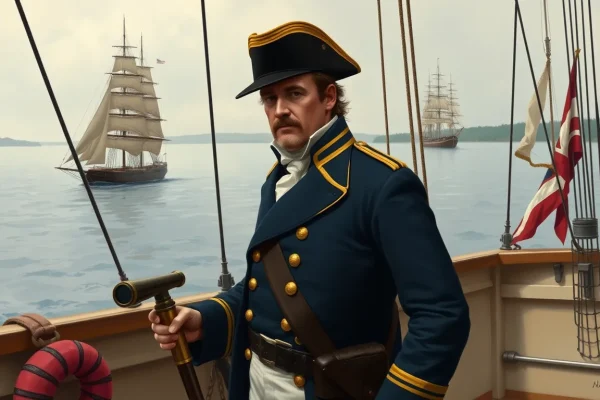
Prize money—the Royal Navy’s system for sharing proceeds from captured enemy ships and cargo—did not dictate Britain’s overall naval strategy in the War of 1812. Britain’s strategy was built around blockade, convoy protection, economic warfare, and amphibious operations. Prize money nevertheless shaped how that strategy was executed, encouraging officers and crews to pursue American merchantmen, privateers, and warships, and creating a persistent tension with less lucrative blockade and escort duties.

Read More →

The Northwest Indian War: The Struggle for the Old Northwest

The Northwest Indian War (mid-1780s–1795) was a conflict between the United States and the Northwestern Confederacy of Indigenous nations for control of the Old Northwest. U.S. campaigns under Josiah Harmar, Arthur St. Clair, and Anthony Wayne ended in the 1795 Treaty of Greenville, which ceded much of modern Ohio. The war secured U.S. control of the region and set the stage for the War of 1812 in the Northwest.

Read More →

The Provincial Marine: Britain’s Naval Force on the Great Lakes

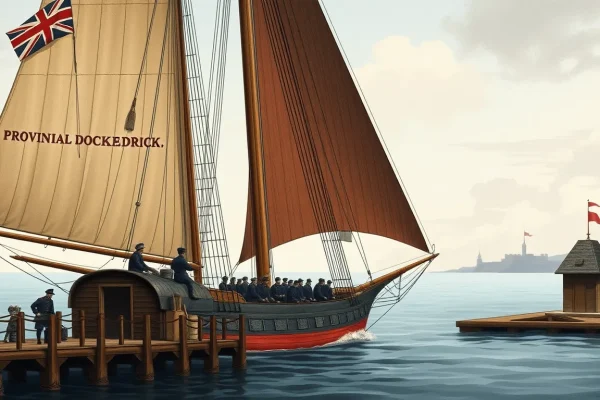
The Provincial Marine was Britain’s army-controlled naval and transport service on the Great Lakes, St. Lawrence River, and Lake Champlain from the Seven Years’ War through the War of 1812. It carried troops, stores, and fur-trade goods and provided the initial British naval force on the lakes in 1812. After poor performance against the U.S. Navy, the Royal Navy took direct control in 1813 and expanded the Kingston dockyard.

Read More →

What Role Did Mohawk Warriors Play in the Battle of Queenston Heights?

Mohawk warriors and their Haudenosaunee and Delaware allies fought with British and Canadian forces at the Battle of Queenston Heights on October 13, 1812. Led by John Norton and John Brant, about 80 Indigenous warriors used the wooded escarpment to pin down American troops after they seized the heights. Their delaying action held the American advance until British reinforcements arrived, helping secure a British victory and demonstrating the central role of Indigenous nations in the War of 1812.

Read More →