Impressment of American Sailors: The Root Cause of the War

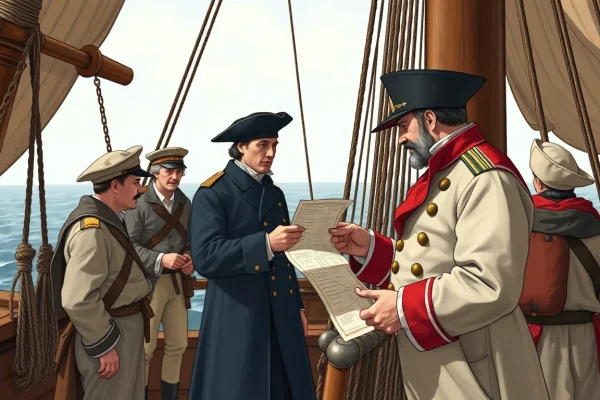
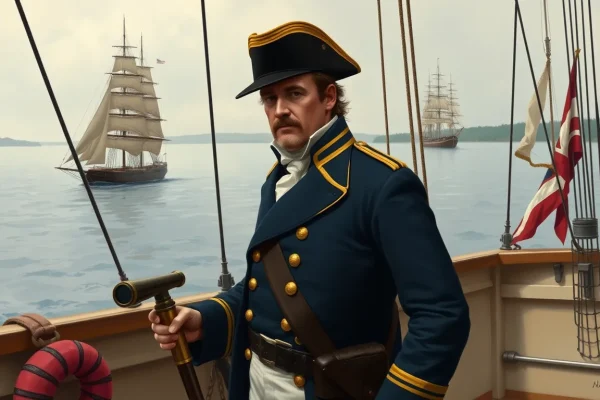
Impressment was the Royal Navy’s forcible seizure of seamen from United States merchant vessels between the 1790s and 1815. Americans treated the practice as a violation of sovereignty and sailors’ rights, and President Madison named it among the principal causes of the War of 1812. Britain never renounced the practice during the war, and it ended only with the close of the Napoleonic Wars rather than by treaty.
Read More →

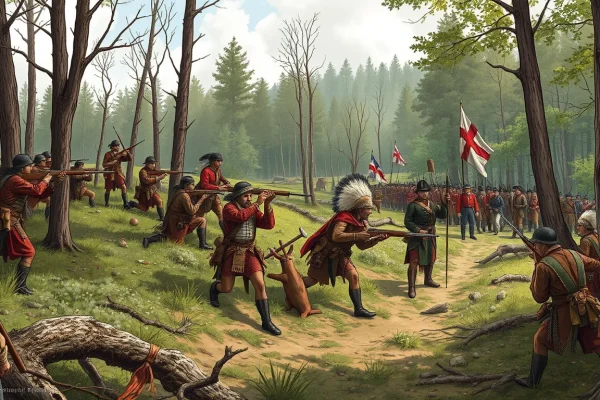
How Did Indigenous Warriors Win the Battle of Beaver Dams?

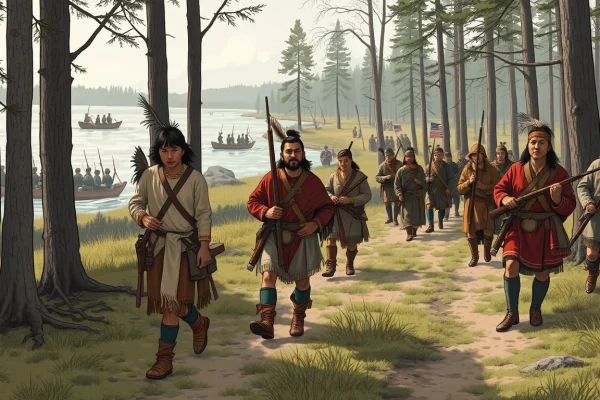
The Battle of Beaver Dams was fought on 24 June 1813 near present-day Thorold, Ontario. A force of about 300 Kahnawake Mohawk and 100 other Mohawk warriors, with British Lieutenant James FitzGibbon’s small reserve, ambushed and forced the surrender of a larger U.S. column under Lieutenant-Colonel Charles G. Boerstler. The victory helped stop the American advance from Fort George and became a central example of Indigenous military effectiveness in the War of 1812.

Read More →

How Did the British Justify Impressment? The ‘Once an Englishman’ Doctrine

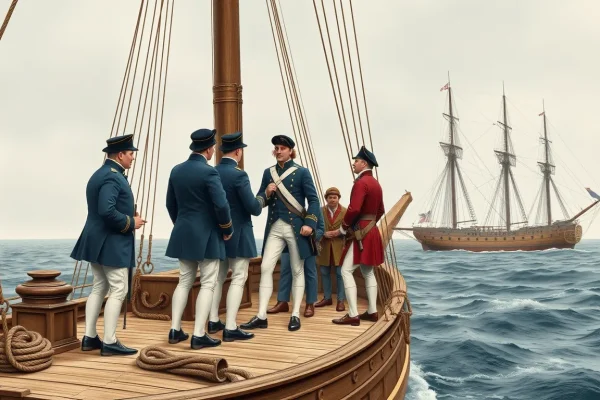
The ‘once an Englishman’ doctrine was Britain’s claim that British-born subjects owed permanent allegiance to the Crown and could not become citizens of another nation. It provided the legal and political rationale for Royal Navy impressment, including the seizure of alleged British sailors from American vessels. The doctrine became a major Anglo-American grievance before the War of 1812, though the Treaty of Ghent did not resolve it.

Read More →

Indigenous Women in the War of 1812: Roles and Contributions

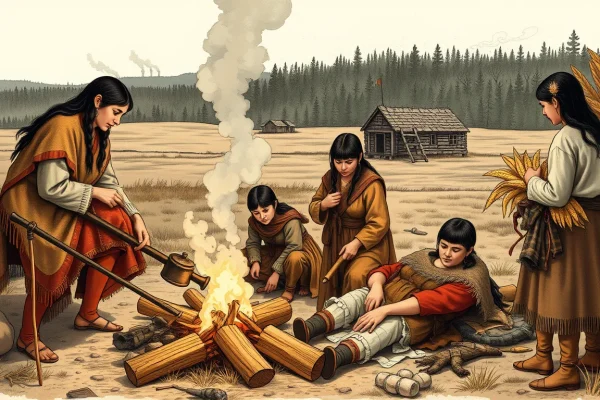
Indigenous women in the War of 1812 served as cooks, supply providers, nurses, and community sustainers, with some evidence of combat support. Pension records from New York name Haudenosaunee women such as Polly Cooper, Dolly Schenandoah, Julia John, Susan Jacob(s), and Dinah John. First Nations and Métis women supported British-allied operations in the Great Lakes, though their roles are less documented. Their contributions were essential to Indigenous war efforts and reveal the limits and biases of military records.

Read More →

How Did the British Army Supply Its Troops in Upper Canada?

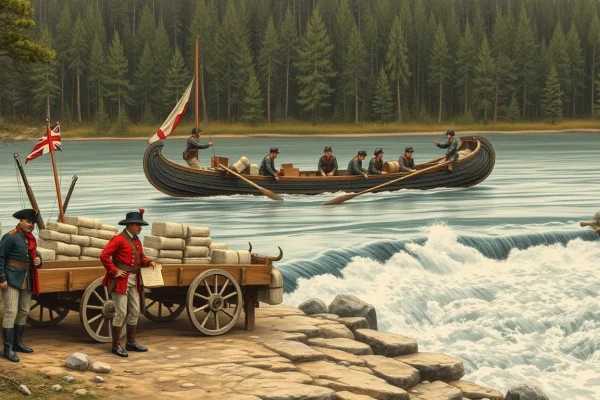
During the War of 1812, the British Army in Upper Canada depended on a fragile supply chain running from Quebec and Montreal up the St. Lawrence River to Kingston and then across the Great Lakes. The Commissariat and Ordnance departments combined local purchases, imported provisions, smuggling, and bateau transport to keep regulars, militia, and Indigenous allies in the field. Upper Canada’s small agricultural base and poor roads made shortages common, and the vulnerability of the St. Lawrence line shaped British strategy throughout the war.

Read More →

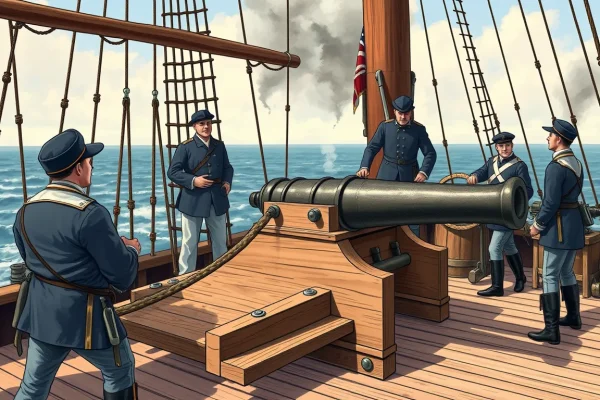
How Did Carronades Change Naval Warfare in the War of 1812?

Carronades were short-barreled, light naval guns that traded range for devastating close-range power. In the War of 1812, they armed U.S. and British frigates, sloops, and brigs, contributing to famous single-ship victories and forcing commanders to choose between closing to smash an enemy or standing off with long guns. Their limitations also became clear, as long-range cannon could punish carronade-armed ships before they closed.

Read More →

What Role Did the Ojibwe Play in the Defense of York?

The Ojibwe and allied Anishinaabe warriors, including Mississauga and Chippewa contingents, helped defend York on April 27, 1813, during the Battle of York. They served as light troops, were among the first Crown forces to engage the American landing west of the town, and fought under their own war chiefs with Major James Givins as liaison. York fell to the Americans, but the warriors’ participation is remembered at Fort York and remains central to debates about Indigenous agency in the War of 1812.

Read More →