Captain John Surman Carden: The British Officer Who Lost HMS Macedonian

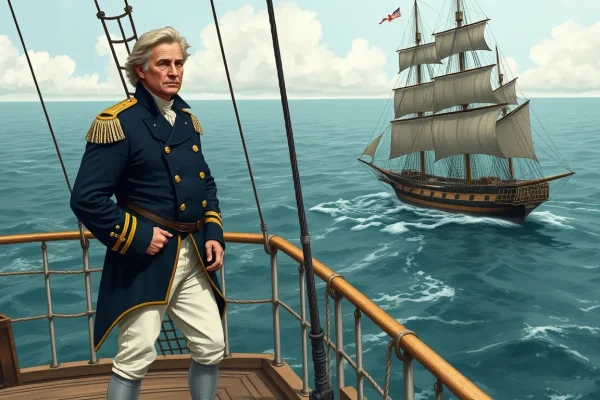
John Surman Carden (1771–1858) was a Royal Navy officer who commanded the frigate HMS Macedonian when it was captured by USS United States on 25 October 1812. A court-martial acquitted him of blame for the loss but criticised his handling of the action, and he never served at sea again. This article examines his career, the battle, and how historians have judged him.
Read More →

What Happened to Prisoners of War After the Treaty of Ghent?

After the Treaty of Ghent was signed on December 24, 1814, Article III required prisoners of war to be restored as soon as practicable after ratification, with debts contracted during captivity to be paid. Release was slow and uneven: American prisoners at Dartmoor remained confined into 1815, where disease and the April 6 shooting killed and wounded dozens before repatriation accelerated. British prisoners in the United States were also returned in 1815, though logistics, debt claims, and transport shortages delayed many. The episode shows how treaty promises depended on ratification, agents, ships, and money.

Read More →

What Was the Hartford Convention and How Did It Oppose the War of 1812?

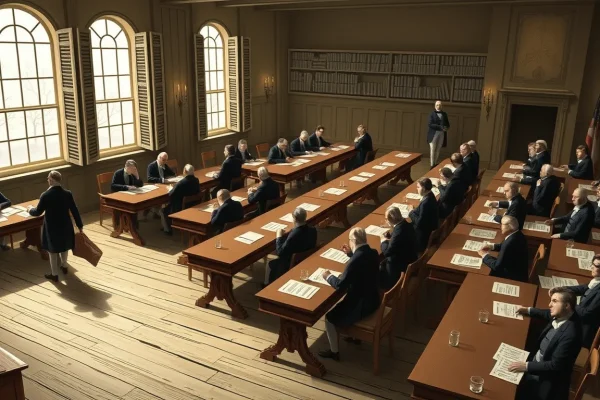
The Hartford Convention was a secret gathering of Federalist delegates from New England held at Hartford, Connecticut, from December 15, 1814, to January 5, 1815. Its members opposed the War of 1812, condemned the embargo and conscription policies of the Madison administration, and proposed constitutional amendments to protect New England’s political and commercial interests. The convention rejected secession, but its secrecy and timing discredited the Federalist Party and helped end it as a national force.

Read More →

Where Did President Madison and His Cabinet Flee During the Burning of Washington?

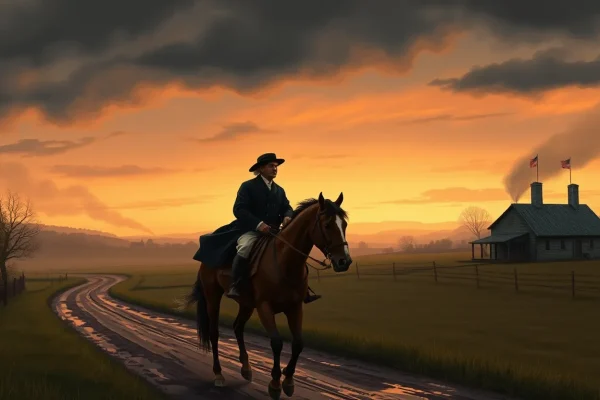
After the American defeat at Bladensburg on August 24, 1814, President James Madison and members of his administration fled Washington, D.C. Madison’s route ran through northern Virginia and Montgomery County, Maryland, ending at Brookeville, where he spent the night of August 26–27 at Caleb Bentley’s house. The cabinet did not travel as a single party, and individual officers sought safety separately.

Read More →

How Did Newspapers Cover the War of 1812’s Decisive Battles?

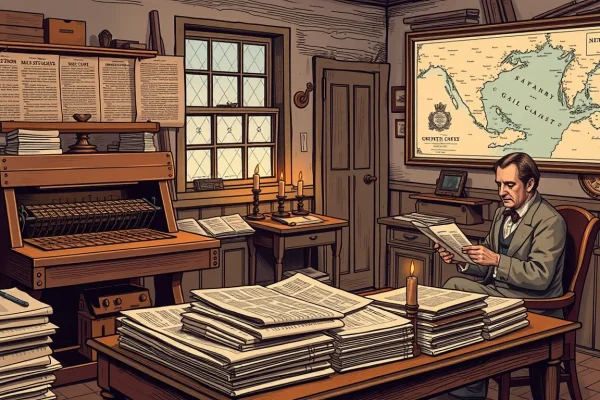
During the War of 1812, newspapers in the United States, Britain, and Canada relied on official dispatches, letters, and reprints to inform the public about decisive battles. Their coverage was shaped by partisan loyalties, slow communications, and the absence of professional correspondents, and it played a central role in creating national heroes and shaping historical memory.

Read More →

James Barron: American Commander at the Chesapeake-Leopard Affair

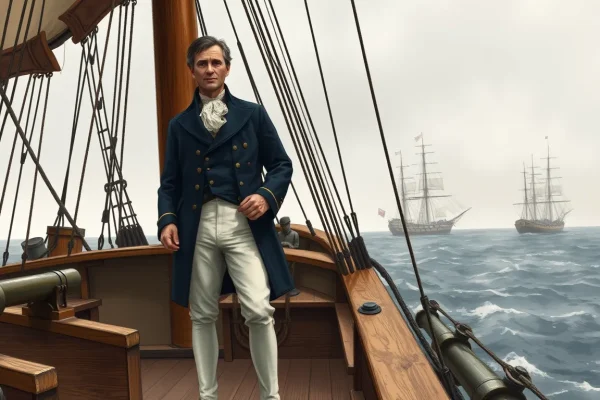
James Barron (1768–1851) was a U.S. Navy commodore who commanded USS Chesapeake during the Chesapeake-Leopard Affair of 1807. After refusing a British search demand, his unprepared ship was attacked and boarded by HMS Leopard, leading to his court-martial and a lasting controversy. Although suspended during the War of 1812, Barron remained a central figure in the naval and political disputes that preceded the conflict.

Read More →

The Explosion at Fort York: Accident or Deliberate Sabotage?

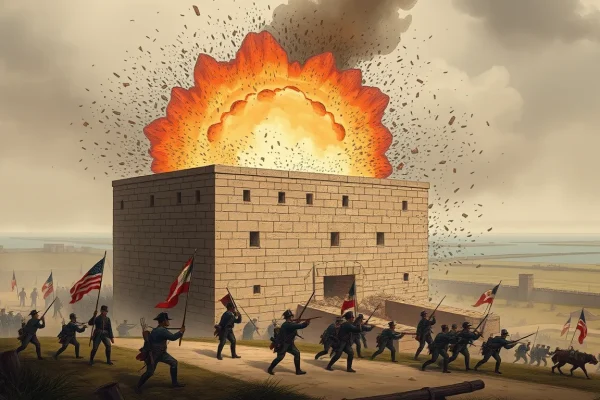
The explosion at Fort York on 27 April 1813 was a deliberate British demolition ordered by Roger Hale Sheaffe to prevent the magazine’s capture, but the heavy American casualties were probably unintended. Contemporary Americans suspected a mine or trap, while modern historians find no proof of an anti-personnel design. The blast killed or wounded more than 250 Americans and mortally wounded Brigadier General Zebulon Pike during the Battle of York.

Read More →

Battle of Mackinac Island (1814): The American Attempt to Retake Fort Mackinac

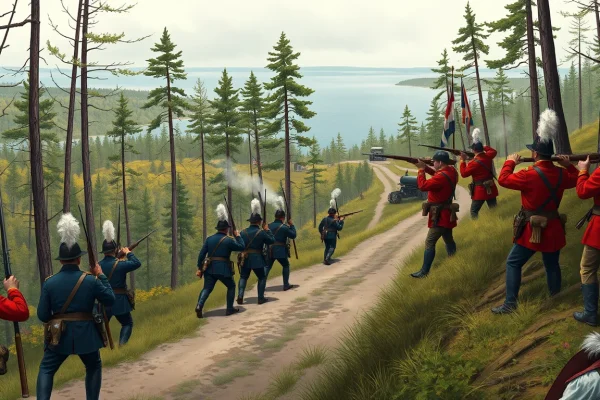
The Battle of Mackinac Island on 4 August 1814 was an unsuccessful American attempt to recapture Fort Mackinac during the War of 1812. A force of roughly 700 men under Lieutenant Colonel George Croghan, supported by Commodore Arthur Sinclair’s naval squadron, landed on the island’s northwest shore but was ambushed by Indigenous warriors and British regulars and forced to re-embark. The defeat left the Straits of Mackinac and the northern fur trade in British hands for the rest of the war.

Read More →