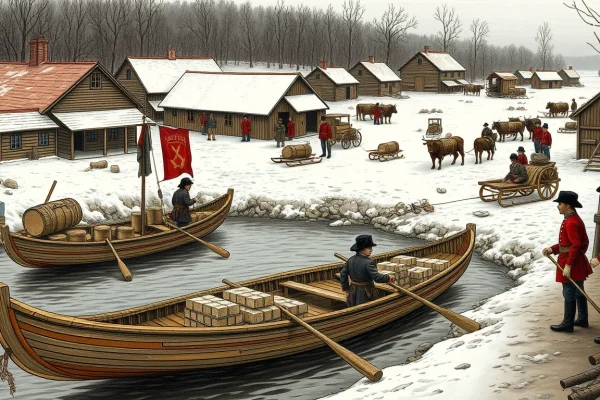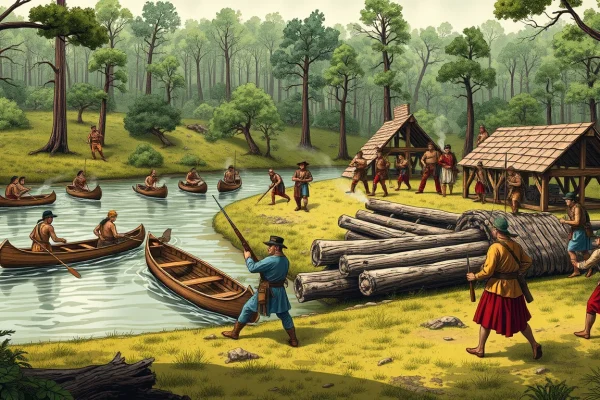
How Did the British Commissariat Supply Its Forces in Canada During the War of 1812?

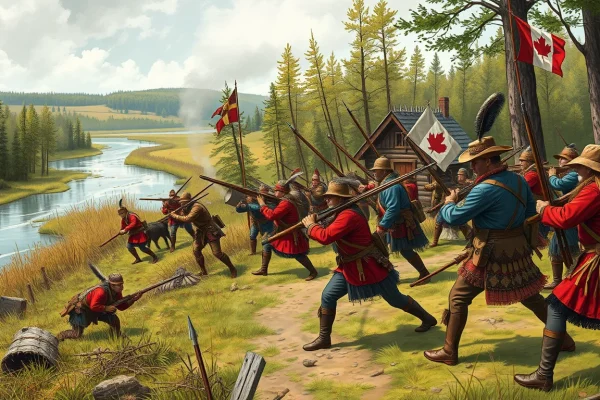
The British Commissariat supplied British, Canadian, and Indigenous forces in Canada during the War of 1812 by contracting for food, forage, and transport, moving stores by bateaux and lake vessels, and issuing regulated rations. Its work shaped strategy, limited offensives, and helped prevent the collapse of British North America despite chronic shortages.

Read More →

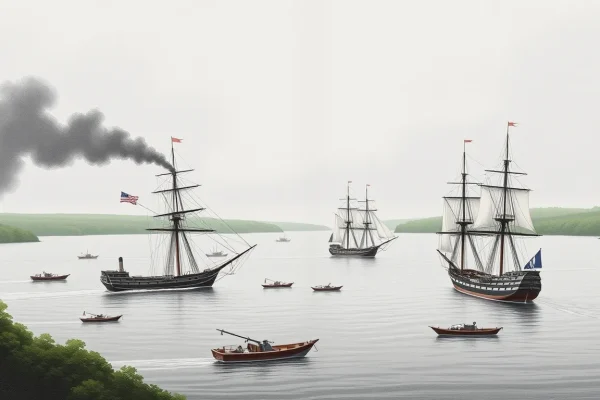
The Battle of Lake Champlain in British Memory: How Was the Defeat Explained in London?

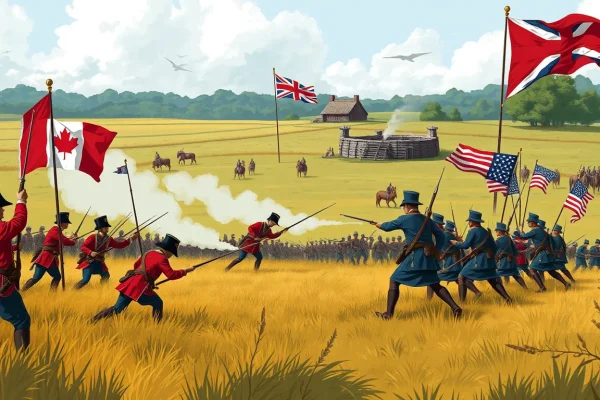
The Battle of Lake Champlain, or Plattsburgh, was an American victory on 11 September 1814. In London, the British defeat was explained not as a national catastrophe but as a local failure of an improvised squadron, a killed naval commander, and flawed army-navy coordination. This article examines official dispatches, naval courts-martial, London newspapers, and later British historiography.

Read More →

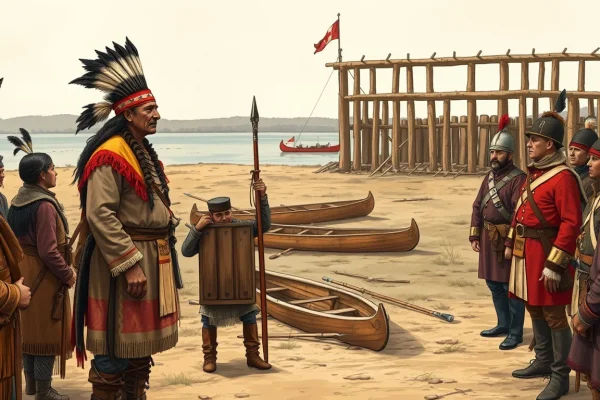
The Battle of the Thames in Indigenous Memory

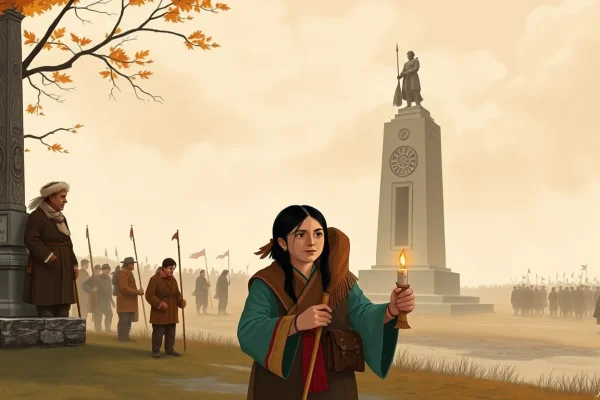
The Battle of the Thames (October 5, 1813) was a decisive American victory in the War of 1812, but for many Indigenous nations it is remembered above all as the battle in which Shawnee leader Tecumseh was killed and his confederacy broke apart. This article examines how oral traditions, family histories, commemorations, and scholarly interpretations have shaped Indigenous memory of the battle and its aftermath.

Read More →

African Americans and the War of 1812

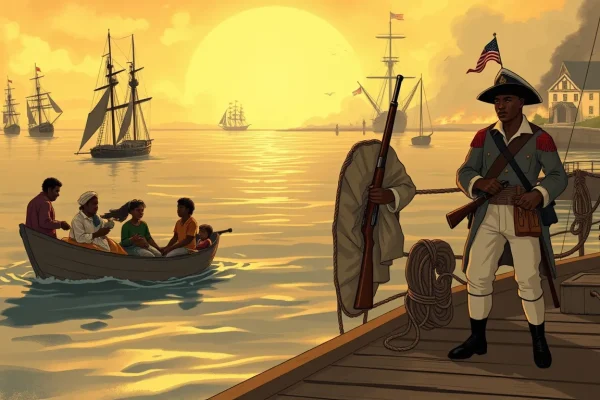
African Americans participated in the War of 1812 as sailors, soldiers, laborers, and refugees. The British promised freedom to enslaved people who escaped to their lines, while the United States relied on Black service in limited and often segregated roles. The war disrupted slavery in the Chesapeake and Gulf Coast, produced the Corps of Colonial Marines, and led some Black refugees to settle in British colonies, though many remained enslaved.

Read More →

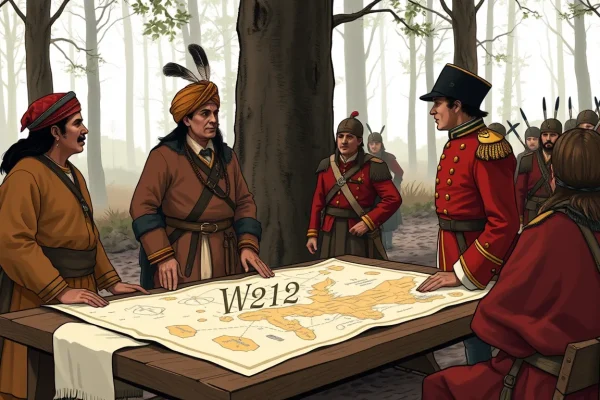
How the War of 1812 Changed Canada

The War of 1812 (1812–1814) between the United States and Great Britain transformed British North America by fostering a shared Canadian identity, weakening Indigenous power, and shaping future political development. The conflict repelled American invasions and created conditions for a distinct Canadian nation.

Read More →