
Short Answer
The Chesapeake–Leopard Affair was a naval confrontation on June 22, 1807, off the coast of Norfolk, Virginia, when the British warship HMS Leopard attacked the American frigate USS Chesapeake after the latter refused to allow a search for Royal Navy deserters. The incident killed three American sailors, wounded eighteen, and resulted in the seizure of four alleged deserters. It inflamed American public opinion, contributed to the Embargo Act of 1807, and is widely regarded as a key cause of the War of 1812.
Historical Context
During the Napoleonic Wars (1799–1815), Britain and France were locked in a global struggle, while the United States remained neutral and traded with both sides. Britain’s Royal Navy, facing severe manpower shortages, relied on impressment—the forcible recruitment of sailors—and frequently stopped American merchant ships to search for deserters and British subjects. The United States viewed these searches as violations of its sovereignty and national honor. The Chesapeake–Leopard Affair was one of many such confrontations, but it was the most violent and humiliating for the United States.
The specific trigger for the affair was the desertion of several British sailors, including Jenkin Ratford, a Londoner who had deserted in Norfolk, Virginia. Ratford boasted of his escape to the “land of liberty,” incurring the anger of British authorities, who were determined to make an example of him.[1]
What Happened
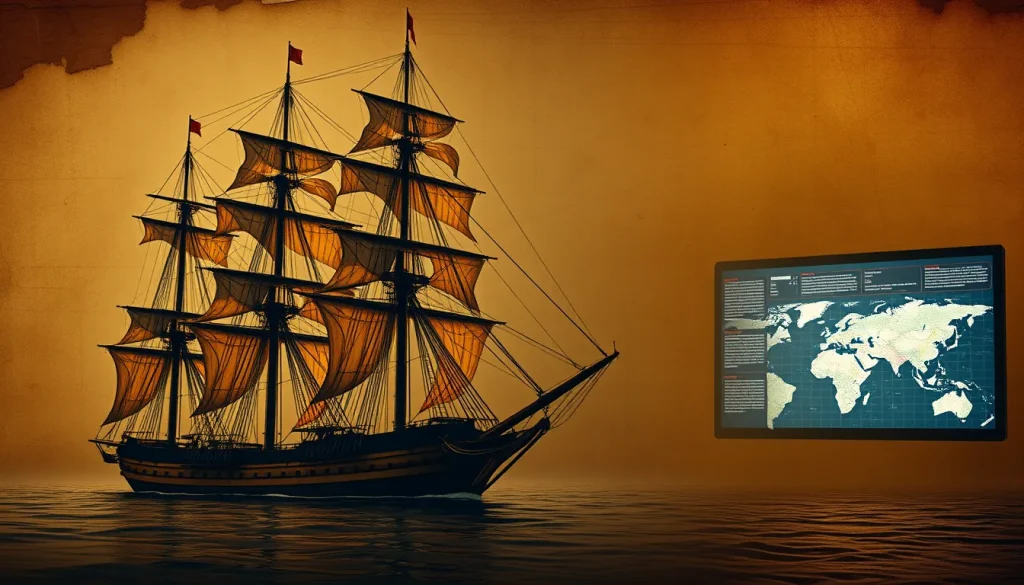
On 22 June 1807, the USS Chesapeake, commanded by Captain James Barron, set sail from Norfolk for the Mediterranean. Shortly after clearing port, the British ship HMS Leopard, commanded by Captain Salusbury Pryce Humphreys, intercepted the American frigate. Humphreys demanded to search the Chesapeake for four deserters, including Ratford, who had reportedly joined the American crew. Barron refused the demand, and as he attempted to move his vessel onward, the Leopard fired a shot across the Chesapeake’s bow and then delivered three broadsides directly into the American frigate.[3]
The Chesapeake, unprepared for combat, suffered three dead and eighteen wounded. Barron struck his colors, surrendering to the British. A boarding party from the Leopard searched the Chesapeake, seized four alleged deserters, and sailed away, leaving the Americans to limp back to port. The four seized men were tried for desertion, and one was hanged.[4]
Why It Matters
The attack caused immediate outrage in the United States. President Thomas Jefferson reportedly said, “Never since the Battle of Lexington have I seen this country in such a state of exasperation as at present, and even that did not produce such unanimity.”[1] Many Americans clamored for war, but the nation was militarily unprepared. Jefferson instead pursued economic pressure, leading to the Embargo Act of 1807, which prohibited American trade with foreign nations and ultimately hurt the American economy.
The affair also deepened the diplomatic rift between Britain and the United States. It became a symbol of British overreach and American vulnerability, and it is cited by historians as one of the major causes of the War of 1812. The Canadian Encyclopedia describes it as “a symbol of the degraded relationship between Great Britain and the United States, and a spark that slowly burned to the unleashing of hostilities in the War of 1812.”[2]
Definition
The Chesapeake–Leopard Affair, also known as the Chesapeake-Leopard Affair, was a naval engagement on June 22, 1807, in which the British HMS Leopard attacked the American USS Chesapeake off the Virginia coast. The attack stemmed from Britain’s demand to search the American ship for deserters from the Royal Navy. It is often cited as a pivotal event leading to the War of 1812.
Background
The affair emerged from the broader context of British impressment during the Napoleonic Wars. Britain, engaged in a vast naval campaign against France, needed sailors and often stopped American ships to reclaim deserters. The United States, as a neutral trading nation, resented these searches as violations of sovereignty. The specific trigger was the desertion of Jenkin Ratford and others from the Royal Navy at Norfolk, Virginia. Ratford’s brazen behavior and the British determination to punish him set the stage for the confrontation.[1]
How It Worked
The British practice of impressment allowed Royal Navy officers to stop ships and remove sailors believed to be British subjects or deserters. In this case, the Leopard’s demand to search the Chesapeake was based on the presence of deserters. The American refusal and subsequent attack demonstrated the dangers of this practice. The incident also highlighted the legal and diplomatic disputes over the right of search at sea, a major grievance that contributed to the War of 1812.[3]
Competing Viewpoints
American officials and the public saw the attack as an unprovoked assault on a sovereign nation and a violation of maritime rights. President Jefferson and others called for war, though the nation was not prepared. The British, on the other hand, maintained that they had the right to recover deserters and that the Americans were harboring British subjects. The British view was that the deserters were legally subject to Royal Navy service. These competing interpretations reflected deeper disagreements over neutral rights and impressment.[2]
Role in the War of 1812
The affair is considered one of the major causes of the War of 1812. It contributed to the breakdown of Anglo-American relations, leading to the Embargo Act and later to the declaration of war in 1812. The incident also shaped American naval policy and public opinion against Britain. Along with other issues such as trade restrictions and British support for Indigenous resistance in the Northwest, the Chesapeake–Leopard Affair helped push the United States toward war.[3]
Consequences and Historical Interpretation
The immediate consequence was the Embargo Act of 1807, which hurt American trade and was ultimately repealed in 1809. The affair also led to the court-martial of Captain James Barron, who was suspended from the Navy. Historians see the affair as a catalyst for the War of 1812, but they also note that other factors, including trade restrictions and conflicts on the frontier, contributed. The affair is remembered as a symbol of British overreach and American vulnerability, and it remains a key example of the tensions that led to war.[4]
Primary Sources
Primary sources for the Chesapeake–Leopard Affair include official reports from both captains—James Barron of the USS Chesapeake and Salusbury Pryce Humphreys of HMS Leopard—as well as the court-martial records of the seized deserters. A widely quoted letter from President Thomas Jefferson, cited by the National Park Service, captures the American mood: “Never since the Battle of Lexington have I seen this country in such a state of exasperation as at present, and even that did not produce such unanimity.”[1] However, the full text of Jefferson’s letter is not reproduced in the available sources. Researchers can find the official correspondence in the National Archives of the United States and the United Kingdom.
FAQ
What was the Chesapeake-Leopard Affair?
It was a naval incident on June 22, 1807, in which the British warship HMS Leopard attacked the American frigate USS Chesapeake after the American captain refused to allow a search for Royal Navy deserters. The attack killed three Americans and led to the seizure of four deserters.
Why did the British search the USS Chesapeake?
The British sought to recover deserters from the Royal Navy, including Jenkin Ratford, who had deserted in Norfolk. The Royal Navy claimed the right to search American ships for deserters, a practice known as impressment.
How did the affair contribute to the War of 1812?
The affair inflamed American public opinion and deepened Anglo-American tensions. It led to the Embargo Act of 1807 and is considered a key cause of the War of 1812, along with other issues such as trade restrictions and frontier conflicts.



Leave a Reply