
Short Answer
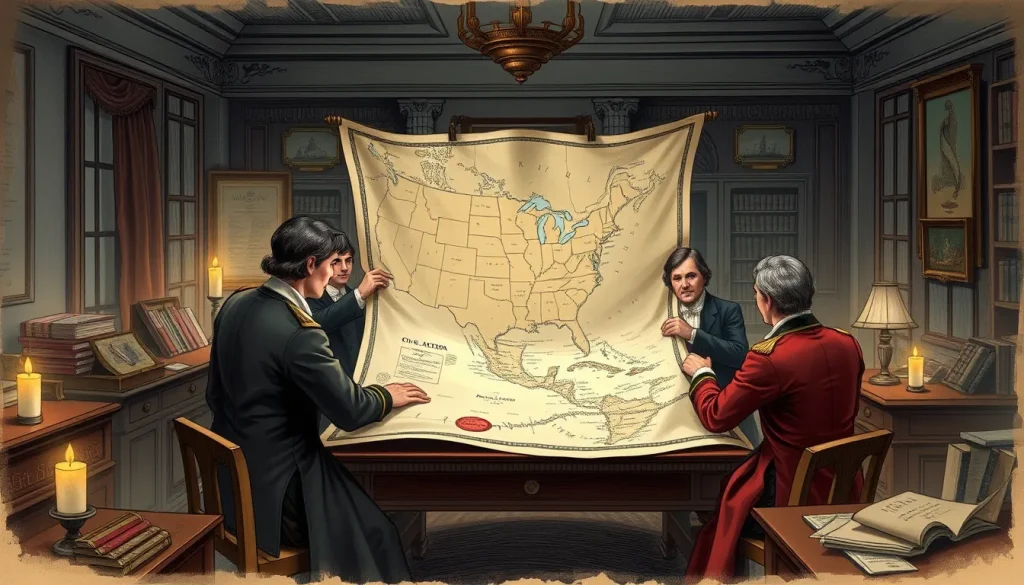
British War Office records are the official administrative archives of the British Army during the War of 1812 (1812–1815), encompassing correspondence, returns, muster rolls, and orders that document the conflict from the British perspective. These records, now held at The National Archives in the United Kingdom, are indispensable for historians studying British strategy, troop movements, and the everyday administration of the army in North America. By revealing the bureaucratic machinery behind the conflict, they provide a detailed counterpoint to American and Canadian sources.
Historical Context
The War of 1812 was fought between the United States and the United Kingdom during the final years of the Napoleonic Wars. Britain viewed the American theatre as secondary to the struggle against France, and its military commitments were constrained until Napoleon’s abdication in April 1814. The British War Office, responsible for army administration, functioned as the central hub for orders, logistics, and communication with commanders in the Canadas and other regional commands. The vast distance between London and North America necessitated thorough record-keeping, as every dispatch, return, and order had to be copied, filed, and preserved for accountability. These records were created as a byproduct of administrative routine, not as historical narratives, lending them a distinctive reliability for matters of numbers and logistics.
What Happened
The War Office produced a wide range of documents, including correspondence between the Colonial Secretary, Lord Bathurst, and Lieutenant-General Sir George Prevost, commander of British North America. Series such as WO 1 (in-letters) contain the incoming correspondence from overseas commanders, while WO 17 holds monthly strength returns. In 1814, after the defeat of Napoleon, the War Office dispatched significant reinforcements to North America. According to historian Donald E. Graves, the number of British regular troops in North America more than doubled from 19,477 to 48,163 officers and men between April and December 1814. These movements are meticulously documented in table-form returns and letters that record unit origins and destinations. For instance, the Plattsburgh campaign of September 1814 is documented in the “Weekly State of the Left Division” returns, which list the 14 infantry battalions, two squadrons of the 19th Light Dragoons, and Royal Artillery companies that constituted Prevost’s army. These records also note casualties, desertions, and supplies, offering a comprehensive view of the British military effort.
Why It Matters
British War Office records are vital because they provide official quantitative data—troop strengths, losses, and logistics—that is often absent from other sources. They reveal strategic priorities, such as the distribution of reinforcements to the Canadas versus the Chesapeake, and expose administrative challenges like the difficulties of supplying an army across the Atlantic. The records also enable historians to trace individual soldiers through muster rolls and casualty lists, as exemplified by the Findmypast casualty index, which documents over 12,000 men who died, deserted, or were imprisoned during the war. By accessing these records, scholars can correct myths—such as the belief that most 1814 reinforcements were drawn from Wellington’s Peninsular Army—and understand the British perspective on key events, complementing American and Canadian accounts.
Definition
British War Office records refer to the official documents created by the War Office and its subordinate departments in managing the British Army. These include letters, memoranda, returns, muster rolls, orders, and casualty reports produced between 1812 and 1815. The term encompasses a range of archival series, most notably those under the WO (War Office) designation at The National Archives in Kew, United Kingdom.
Background
The War Office evolved during the 18th century as the British government’s body responsible for military administration. By the early 19th century, it oversaw recruitment, equipment, supplies, and correspondence with commanders. During the War of 1812, the War Office operated alongside the Colonial Office, which handled communications with the Canadas, and the Admiralty for naval matters. The records were generated as part of routine administrative practice, but they were also used for auditing and historical reference, ensuring their preservation.
How It Worked
The record-keeping process began with field commanders in North America sending reports and returns to London. These documents were received at the War Office, registered, and often annotated by clerks. Monthly returns, such as the “General State of the Army in North America,” compiled numbers of officers and men by regiment. Muster rolls recorded individual soldiers’ names, ranks, and pay. Casualty reports detailed deaths, desertions, and captures. The War Office also issued orders and instructions that were copied into letter books. This system created a paper trail of decisions and actions, which now forms the evidential basis for historical research.
Competing Viewpoints
Historians debate the reliability of War Office records. Official returns may overstate troop strengths to justify requests for more men, or understate losses to avoid criticism. The records reflect an official military perspective, often omitting local knowledge, Indigenous participation, or the experiences of civilians. For example, the Plattsburgh returns have been scrutinized for their accuracy, as the figures differ from contemporary estimates. However, when cross-referenced with private letters, operational orders, and American reports, these records can be validated. The survival of multiple copies and the internal consistency of the data often support their trustworthiness, but researchers must remain alert to bias and gaps.
Role in the War of 1812
War Office records are central to understanding British military operations. They reveal the scale of reinforcement in 1814, with detailed tables showing which units came from Wellington’s army versus other commands. They document the challenges of moving troops, the composition of forces at major battles like Plattsburgh, and the logistical arrangements for supplies. Records also shed light on the treatment of prisoners of war and the administration of colonial forces, such as the Canadian militia and Indigenous allies. For instance, the records of the Adjutant General’s Office in Lower Canada list pensions and land grants, providing insight into veteran settlement.
Consequences and Historical Interpretation
The existence of these records has shaped historical narratives of the War of 1812. They have enabled scholars to debunk the myth that the British army in 1814 was composed primarily of Peninsular War veterans, showing instead that only about half of the reinforcements came from that celebrated command. They also allow analysis of British strategic decisions, such as the prioritization of Canadian defense over offensive operations. The records have also influenced interpretations of the war as a whole, emphasizing the British logistical and administrative perspective, which contrasts with American nationalistic narratives. Modern historians rely on these records to provide a balanced, multi-national understanding of the conflict.
Primary Sources
The most relevant primary sources for the War of 1812 include War Office files such as WO 1 (correspondence), WO 17 (monthly strength returns), and WO 55 (miscellaneous records). Colonial Office records, particularly CO 42 (Canada correspondence), contain letters between Prevost and Bathurst. Many of these are available on microfilm at Library and Archives Canada, which also holds compiled militia records and claim returns. The British Army casualty index at Findmypast draws on War Office records to list over 12,000 soldiers. Each source has limitations: official returns may be incomplete due to wartime losses, and correspondence reflects the authors’ biases. Researchers should use these documents in conjunction with local records, diaries, and American sources.
Further Reading
- Donald E. Graves, “The Redcoats are Coming: British Troop Movements to North America in 1814,” War of 1812 Magazine.
- Donald E. Graves, “The Finest Army Ever to Campaign on American Soil?” The War of 1812 Magazine, Issue 24 (November 2015).
- J.M. Hitsman, The Incredible War of 1812: A Military History (Toronto, 1999).
- Library and Archives Canada, “War of 1812” research guide, bac-lac.gc.ca.
- Archives of Ontario, “War of 1812 Records,” Research Guide 213.
References
- Donald E. Graves, “The Redcoats are Coming: British Troop Movements to North America in 1814,” at warof1812.ca/redcoats.htm
- Donald E. Graves, “The Finest Army Ever to Campaign on American Soil?” The War of 1812 Magazine, Issue 24 (November 2015), at napoleon-series.org.
- Library and Archives Canada, “War of 1812,” at bac-lac.gc.ca.
- Findmypast, “British Army, War of 1812 Casualties,” at findmypast.com.
- Archives of Ontario, “War of 1812 Records,” Research Guide 213, at archives.gov.on.ca.
FAQ
What are British War Office records?
They are official administrative documents produced by the British War Office, including letters, returns, muster rolls, and orders, that detail the army's operations during the War of 1812.
Where can these records be accessed?
Most original records are at The National Archives in the UK, but many are available on microfilm at Library and Archives Canada and other institutions.
What limitations do these records have?
They reflect an official perspective, may contain errors or biases, and often omit local or Indigenous perspectives, so they must be used with other sources.


Leave a Reply