Warships of the War of 1812
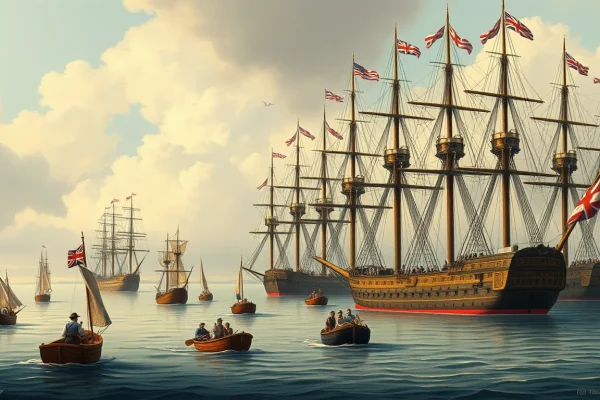
Warships of the War of 1812 ranged from ocean-going frigates to freshwater gunboats and purpose-built lake squadrons. Their construction, tactics, and control shaped the naval conflict on the Atlantic and the Great Lakes.
Warships of the War of 1812 ranged from ocean-going frigates to freshwater gunboats and purpose-built lake squadrons. Their construction, tactics, and control shaped the naval conflict on the Atlantic and the Great Lakes.
The First Siege of Fort Meigs (28 April–9 May 1813) was a British and Indigenous attempt to capture the American fort on the Maumee River in Ohio. The American garrison under William Henry Harrison successfully held the fort, forcing the British to withdraw despite a costly defeat of an American relief column.
During the War of 1812, soldiers on all sides subsisted on preserved rations such as hardtack, salted beef or pork, flour, and peas, supplemented by local food when available. Daily rations were set by regulations, but shortages and conditions often forced soldiers to forage or go hungry.
The Royal Navy’s strategy in the War of 1812 combined blockade, convoy protection, amphibious raids, and a decisive reinforcement of its North American squadron. This approach contained the U.S. Navy, suppressed privateering, and applied economic pressure that helped shape the conflict’s outcome.
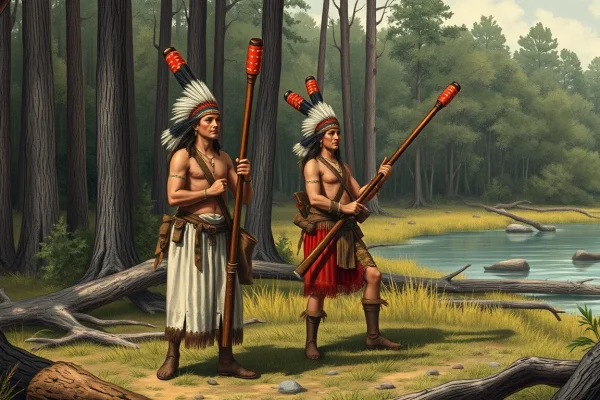
The Red Sticks were a traditionalist faction of Upper Creek Indians who resisted American expansion and assimilation in the early 1810s, sparking the Creek War (1813–1814) within the larger War of 1812.