Battle of the Thames

The Battle of the Thames, fought on October 5, 1813, near Moraviantown in Upper Canada, was a decisive American victory that ended British control of the Western District and resulted in the death of the Shawnee leader Tecumseh, shattering his pan-Indigenous confederacy.

Read More →

Battle of Emuckfaw and Enotachopo Creek

The Battle of Emuckfaw and Enotachopo Creek (January 22–24, 1814) was a series of engagements during Andrew Jackson’s Creek War campaign, pitting American and allied Native forces against Red Stick Creeks. Although tactically inconclusive, the Red Sticks missed their best chance to destroy Jackson’s army, and Jackson withdrew to Fort Strother before resuming his offensive.

Read More →

James Lawrence (U.S. Navy Officer)

James Lawrence (1781–1813) was a United States Navy captain during the War of 1812, remembered for commanding USS Chesapeake in a fatal single-ship action against HMS Shannon. His reported last words, “Don’t give up the ship,” became a lasting naval motto and inspired Oliver Hazard Perry’s battle flag at the Battle of Lake Erie.

Read More →

Mohawk Warriors in the War of 1812

During the War of 1812, Mohawk warriors from the Grand River and other Haudenosaunee communities fought as British allies, playing critical roles in battles such as Queenston Heights and Beaver Dams. Their efforts helped defend Upper Canada but ultimately did not secure long-term Indigenous sovereignty.

Read More →

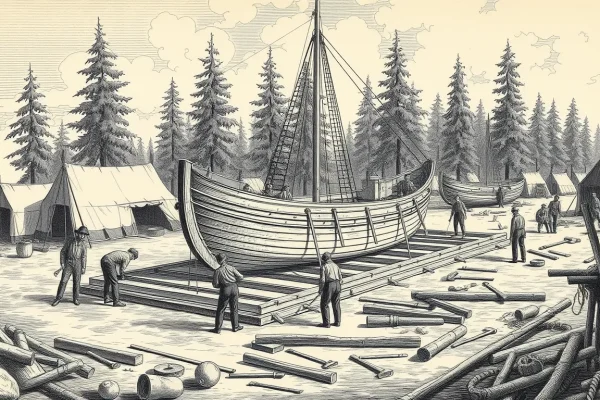
Shipbuilding During the War of 1812

Shipbuilding during the War of 1812 was a critical endeavor for both the United States and Great Britain, particularly on the Great Lakes and Lake Champlain, where control of inland waters determined military success. The war sparked a rapid naval construction race, leading to innovative ship designs and the creation of freshwater fleets that decided key battles and shaped postwar disarmament.

Read More →