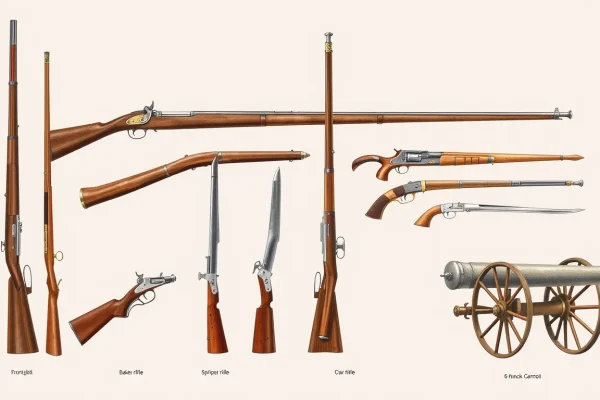
Weapons of the War of 1812
This article explains the firearms, artillery, and edged weapons used by American, British, Canadian, and Indigenous forces during the War of 1812, including their design, effectiveness, and impact on the conflict.
This article explains the firearms, artillery, and edged weapons used by American, British, Canadian, and Indigenous forces during the War of 1812, including their design, effectiveness, and impact on the conflict.
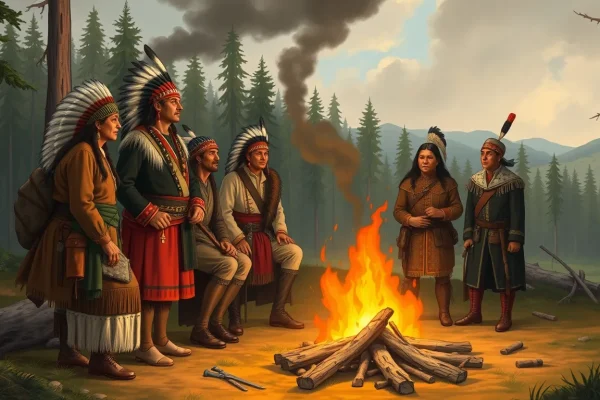
Indigenous peoples played a crucial role in the War of 1812, most allying with Britain against American expansion, while some supported the United States. Their alliances shaped key battles and the war’s outcome, yet they were ultimately marginalized by the peace and subsequent U.S. policies.
Free men of color, or gens de couleur libres, formed two militia battalions that fought for the United States under Andrew Jackson at the Battle of New Orleans in January 1815. Their service helped defend the city and became a contested symbol in the fight for citizenship and recognition.
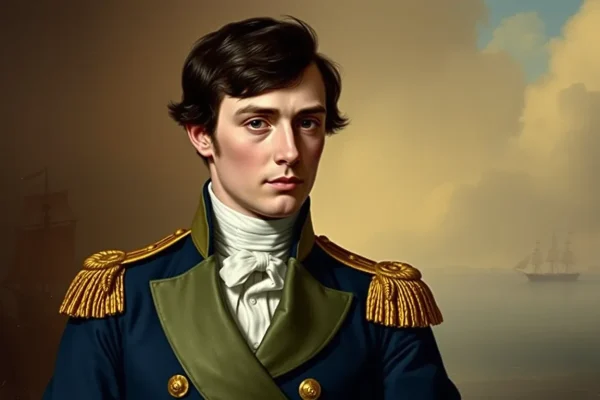
Sir James Lucas Yeo (1782–1818) was a Royal Navy officer who commanded British naval forces on Lake Ontario during the War of 1812, playing a crucial role in the struggle for control of the Great Lakes. His cautious tactics and shipbuilding helped maintain British naval presence, but his legacy remains debated among historians.
The War of 1812 cost the U.S. government an estimated $90 million in contemporary dollars, equivalent to about $1.5 billion in 2011 prices. This financial burden, which peaked at roughly 2.2% of GDP in 1813, shaped early American fiscal policy and military debates.
Indigenous Resistance in the Old Northwest refers to the organized efforts of Native American nations to resist American expansion and preserve their lands in the region north of the Ohio River, culminating in alliances with Britain during the War of 1812. This resistance, led by figures like Tecumseh and Tenskwatawa, significantly influenced the war’s course and led to profound consequences for Indigenous peoples.
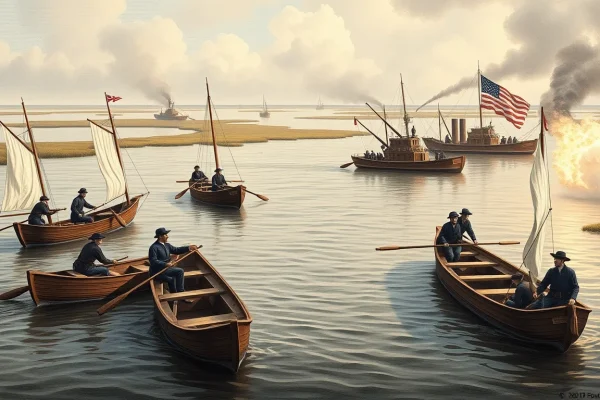
The Battle of Lake Borgne (December 14, 1814) was a naval engagement in which British ship’s boats and barges defeated a small American gunboat flotilla, clearing the way for the British approach to New Orleans during the War of 1812. The British victory removed the last naval obstacle in Lake Borgne, but the delay it caused gave American forces under Andrew Jackson additional time to prepare the defenses that would win the Battle of New Orleans.
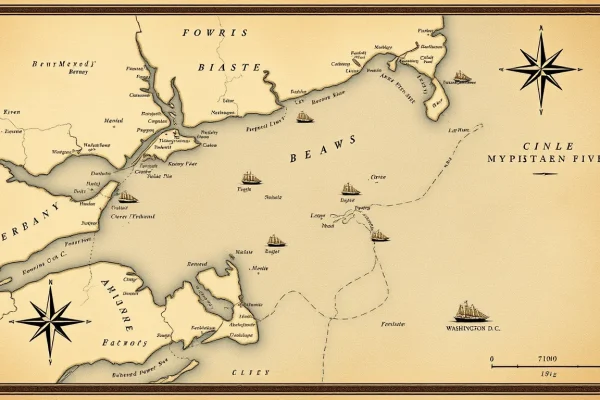
The Chesapeake Bay was a major theater of the War of 1812, subject to British blockade, raids, and a full campaign in 1814 that culminated in the burning of Washington and the defense of Baltimore. The region’s strategic importance, privateering, and role in the war shaped American identity and produced the Star-Spangled Banner.
USS Constitution earned the nickname ‘Old Ironsides’ during the War of 1812, specifically after her victory over HMS Guerriere on August 19, 1812, when British cannonballs appeared to bounce off her thick oak hull. The name, however, also has earlier roots and a more nuanced history than the popular story suggests.
The War of 1812 disrupted American trade but also spurred domestic manufacturing, leading to postwar growth, protective tariffs, and the early Industrial Revolution in New England.