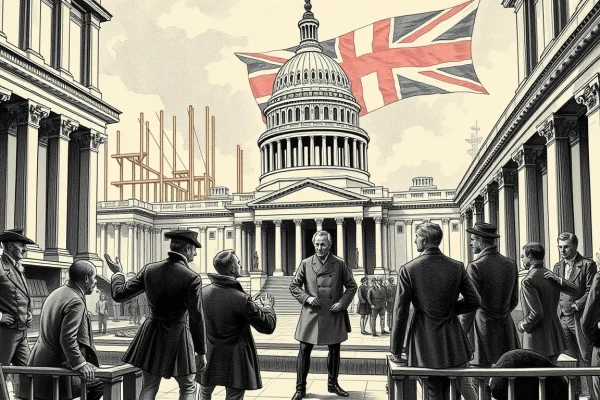
The Hartford Convention Explained

The Hartford Convention was a secret meeting of New England Federalist delegates in December 1814 to voice opposition to the War of 1812 and federal policies, ultimately proposing constitutional amendments. It marked a peak of political dissent but contributed to the Federalist Party’s decline after peace and the Battle of New Orleans.

Read More →

Early Attempts to End the War of 1812

Between the American declaration of war in June 1812 and the formal opening of negotiations at Ghent in August 1814, the United States, Great Britain, and Russia pursued several diplomatic overtures to end the conflict. Although all failed, these early efforts—including an American armistice proposal, a British offer of direct talks, and an initial Russian mediation—established the diplomatic framework that ultimately produced the Treaty of Ghent.

Read More →

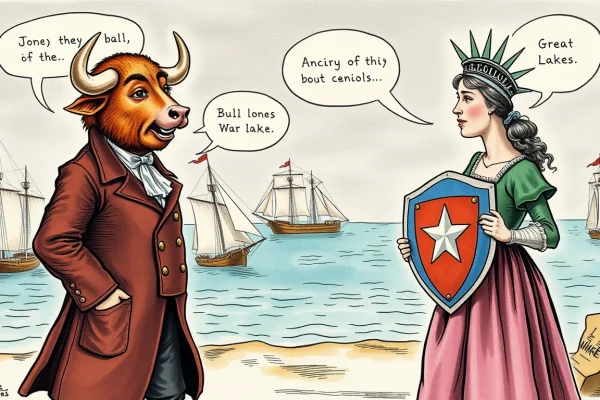
Political Cartoons of the War of 1812

Political cartoons of the War of 1812 are satirical prints that used allegory and caricature to comment on the conflict, notably by American engraver William Charles. They represent an early milestone in American political cartooning and provide a vivid record of wartime public opinion.

Read More →

Economic Effects of the War of 1812

The War of 1812 disrupted transatlantic trade, damaged American commerce, strained government finances, and prompted protective tariffs. Modern historians debate whether the conflict decisively accelerated American industrialization, with recent studies suggesting only a limited or temporary boost to domestic manufacturing.

Read More →

Disease in War of 1812 Armies

Disease killed roughly three-quarters of American soldiers who died during the War of 1812, more than all combat casualties combined. This article examines the types of illness, their environmental causes, inadequate medical treatment, and the impact on military operations and medical reform.

Read More →

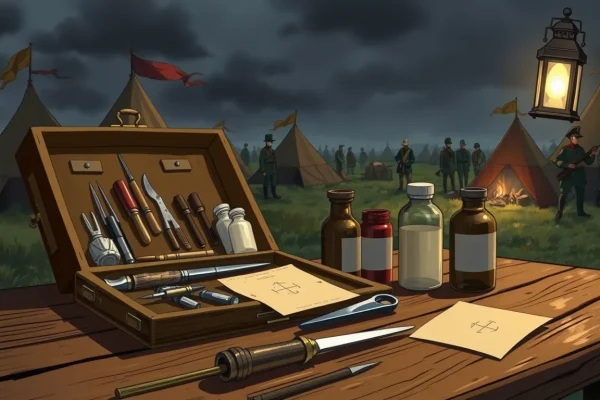
Medicine During the War of 1812

During the War of 1812, disease killed far more soldiers than combat, and medical practice relied on humoral theory, emphasizing treatments like bloodletting and purging. The conflict exposed major weaknesses in military medical organization and prompted reforms, including the creation of the U.S. Army Surgeon General’s office.

Read More →