Army Bounties During the War of 1812

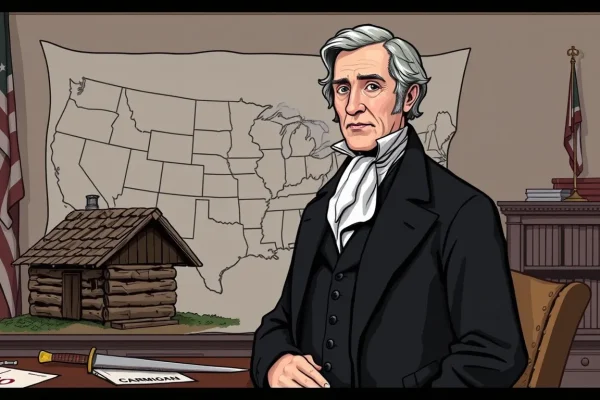
During the War of 1812, the United States offered cash payments and land warrants—known as bounties—to encourage enlistment. Congress authorized 160 acres for five-year service, later doubled to 320 acres. These bounty land warrants shaped recruitment, land distribution, and the dispossession of Native American lands.

Read More →

Farming During the War of 1812

Farming during the War of 1812 involved both agricultural production and destruction, as armies on both sides depended on local food supplies while military operations devastated farms, livestock, and mills. This article explores how the war disrupted farming communities, the labor shortages that arose, and the long-term economic and social consequences.

Read More →

Federalists and the War of 1812

The Federalist Party, strongest in New England, was the principal organized opponent of the War of 1812. Federalists in Congress, state governments, and the press challenged the conflict’s legitimacy and strategy, culminating in the Hartford Convention of 1814–15, and the party’s opposition contributed to its permanent decline after the war.

Read More →

Diplomacy During the War of 1812

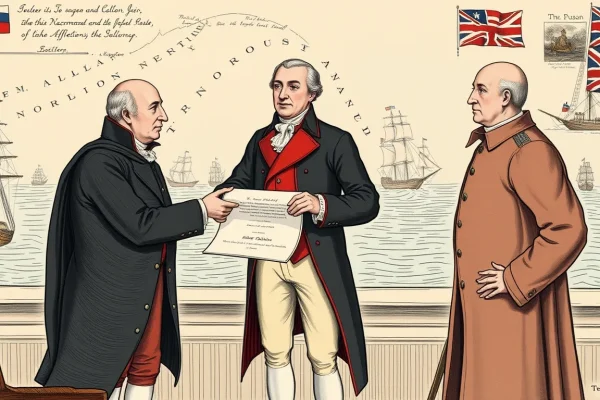
Diplomacy during the War of 1812 centered on unresolved disputes over impressment, trade restrictions, and Native American conflicts, leading to the Treaty of Ghent. Although the treaty restored pre-war borders, it left the original maritime grievances unresolved, yet it paved the way for improved Anglo-American relations.

Read More →

Why Did New England Oppose the War of 1812?

New England’s opposition to the War of 1812 stemmed from deep-seated Federalist political resistance, economic dependence on maritime trade, and fears that the conflict served the interests of the Democratic-Republican South and West. This sectional opposition culminated in the Hartford Convention and shaped the decline of the Federalist Party.

Read More →

Trade During the War of 1812

Trade was both a primary cause and a major casualty of the War of 1812. The British blockade devastated American exports, while American privateers harassed British commerce, shaping the war’s economic impact and influencing post-war American industrialization.

Read More →