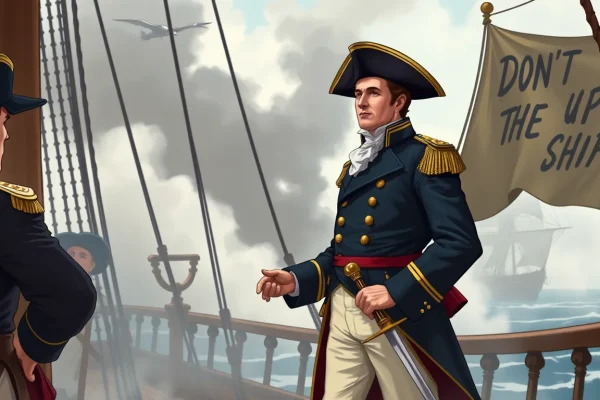
Oliver Hazard Perry

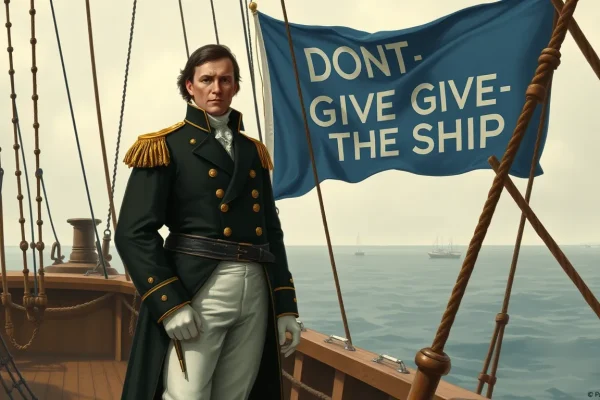
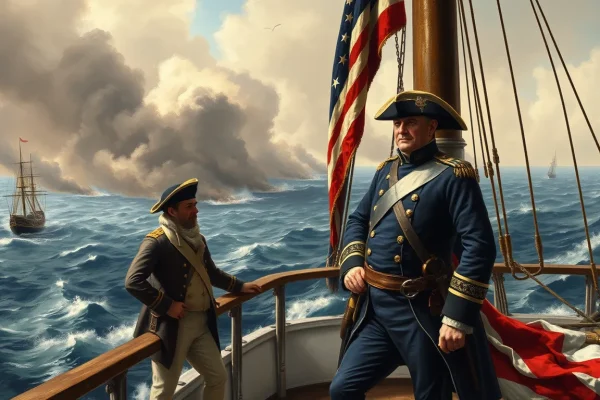
Oliver Hazard Perry (1785–1819) was a United States Navy officer who commanded American forces at the decisive Battle of Lake Erie in 1813, securing control of the lake and enabling the subsequent American victory at the Battle of the Thames.

Read More →

Dolley Madison During the War of 1812

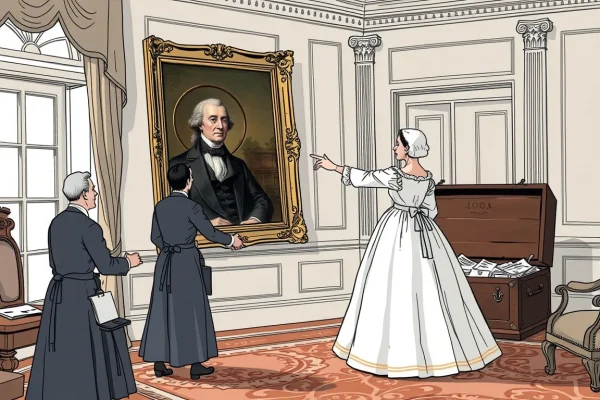
Dolley Madison, First Lady during the War of 1812, famously rescued the Gilbert Stuart portrait of George Washington and cabinet papers before British troops burned the White House on August 24, 1814. Her decisive actions during the evacuation of Washington, D.C., have become a defining symbol of American perseverance and an early example of a First Lady’s public role in a national crisis.

Read More →

American–Indigenous Relations During the War of 1812

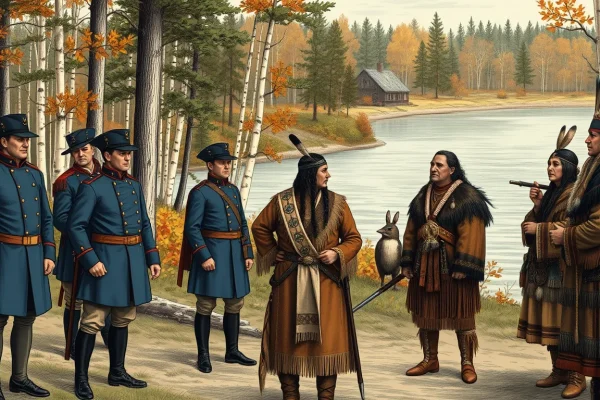
During the War of 1812, the relationship between the United States and the Indigenous nations of the Great Lakes, Ohio Valley, and the South was transformed by military alliance, warfare, and treaty. Tecumseh’s confederacy sided with the British to resist American expansion, while the collapse of the confederacy and the Creek War’s aftermath opened vast territories to American settlement and set the stage for Indian removal.

Read More →

Francis Scott Key and the War of 1812

Francis Scott Key (1779–1843) was an American lawyer and poet whose poem ‘Defence of Fort M’Henry,’ written after witnessing the British bombardment of Fort McHenry in 1814, became the lyrics of the U.S. national anthem, ‘The Star-Spangled Banner.’ His role as a negotiator for prisoner release placed him directly in the War of 1812’s pivotal Battle of Baltimore.

Read More →

Robert Heriot Barclay at Lake Erie

Robert Heriot Barclay commanded the British naval squadron on Lake Erie during the War of 1812 and was defeated by Oliver Hazard Perry at the Battle of Lake Erie on September 10, 1813. His surrender marked the first time a British naval squadron had been captured in battle, shifting control of the lake to the United States.

Read More →