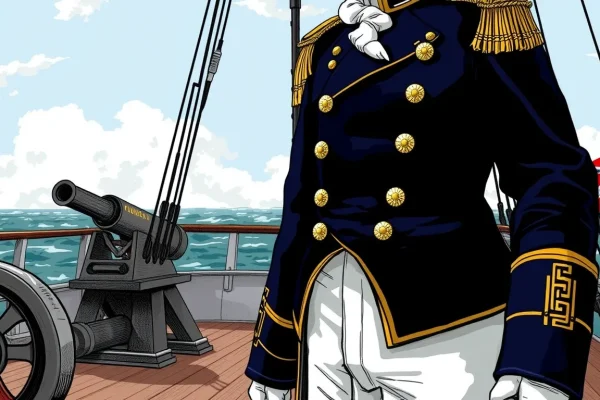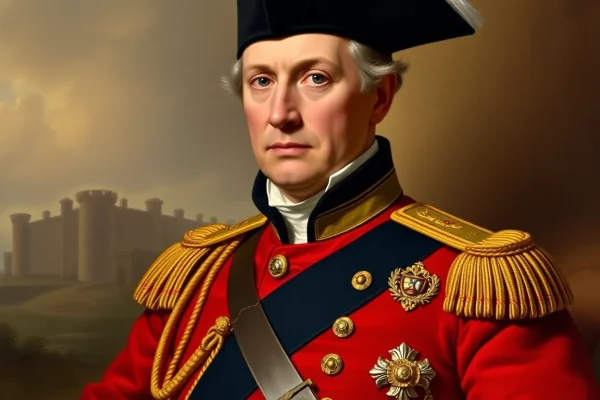
Roger Hale Sheaffe

Roger Hale Sheaffe was a British Army officer who served in Upper Canada during the War of 1812, taking command after Isaac Brock’s death at Queenston Heights. His retreat at York in 1813 led to his removal from command and a controversial legacy.

Read More →

British Forces at the Battle of New Orleans

The British expeditionary force at the Battle of New Orleans, commanded by Major General Sir Edward Pakenham, was a veteran army that launched a disastrous assault on American positions on January 8, 1815. Its defeat marked the final major battle of the War of 1812, ending British hopes of seizing the Mississippi River valley.

Read More →

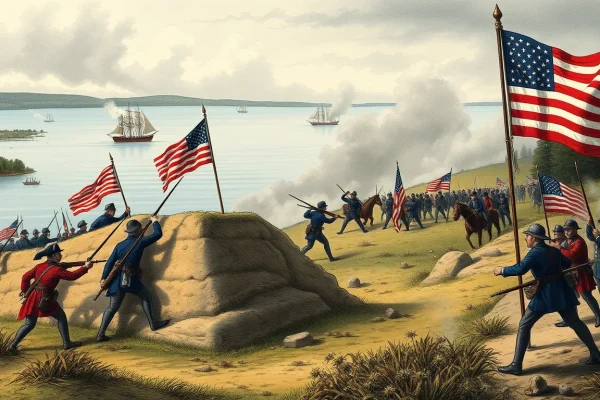
Alexander Macomb and the Battle of Plattsburgh

Alexander Macomb was the American field commander at the Battle of Plattsburgh (September 11, 1814), where he successfully defended northern New York against a larger British invasion force. The American victory, including the naval triumph on Lake Champlain, halted the British advance and influenced peace negotiations.

Read More →

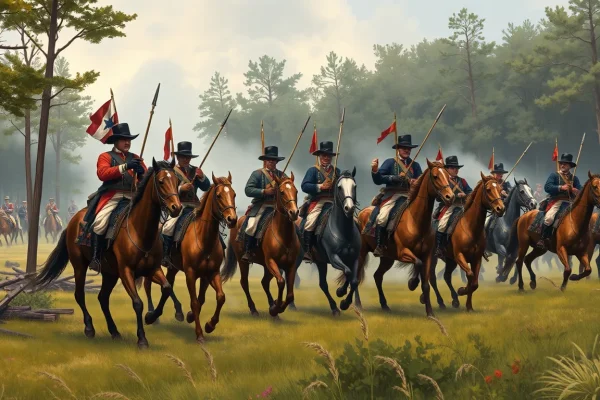
How Cavalry Was Used in the War of 1812

During the War of 1812, cavalry forces on all sides were small, under-equipped, and used primarily for reconnaissance, raiding, and pursuit rather than shock charges. Both American regular dragoons and volunteer mounted riflemen adapted to frontier conditions, while British and Canadian mounted forces played a limited supporting role.

Read More →

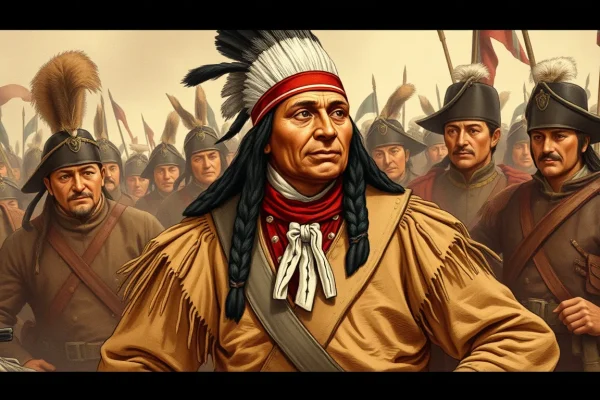
Indigenous Memory of the War of 1812

Indigenous memory of the War of 1812 encompasses the oral traditions, autobiographies, and cultural recollections of First Nations, Métis, and Native American peoples who participated in the conflict. These perspectives offer critical insights into the war’s impact on Indigenous communities, their alliances, and the betrayal they experienced in its aftermath.

Read More →