British Strategy in Upper Canada in 1812

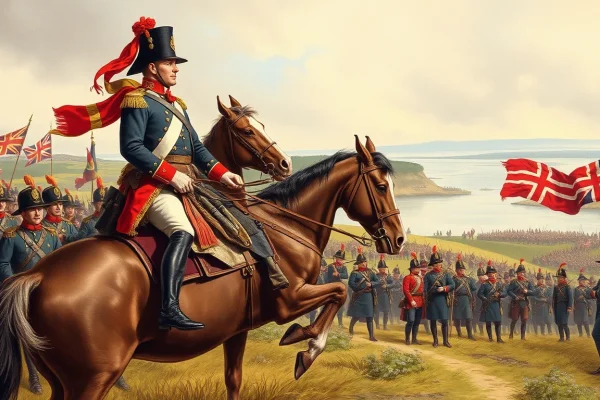
In 1812, Britain’s strategy in Upper Canada was defensive: hold the St. Lawrence-Great Lakes corridor, secure Indigenous alliances, and avoid major losses until Napoleon was defeated in Europe. Key actions under Isaac Brock captured Michilimackinac and Detroit, temporarily securing the western frontier.
Read More →

Indigenous Forces at Beaver Dams

On 24 June 1813, Indigenous warriors from several Mohawk communities ambushed and defeated an American column near Beaver Dams (Thorold, Ontario), forcing its surrender to British troops. The victory was won largely by Indigenous forces, yet they received little credit and few rewards, shaping later disputes over recognition.

Read More →

How the War Affected Indigenous Nations

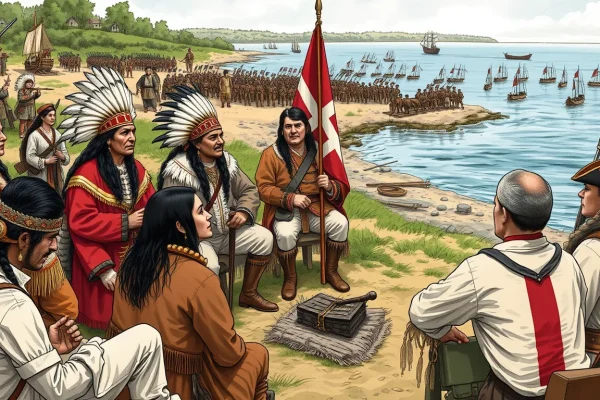
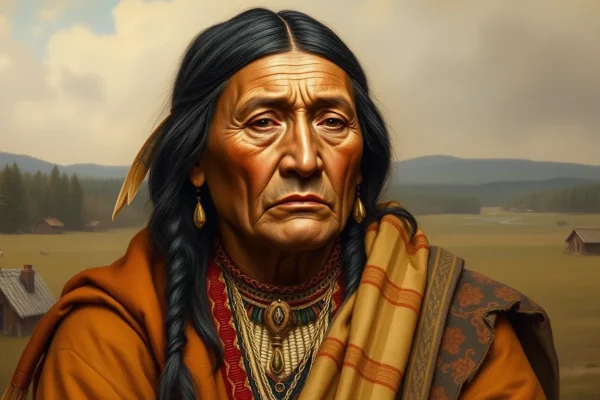
The War of 1812 profoundly altered the political and territorial situation of Indigenous nations in North America. Many allied with Britain to resist American expansion, but the war’s outcome—including Tecumseh’s death and the Treaty of Ghent—hastened their decline and set the stage for removal.

Read More →

Andrew Jackson and the Creek War

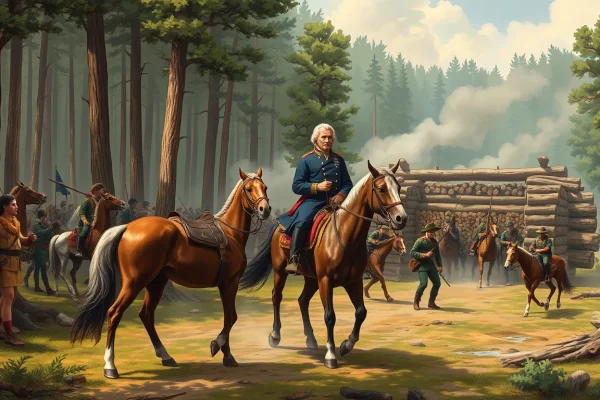
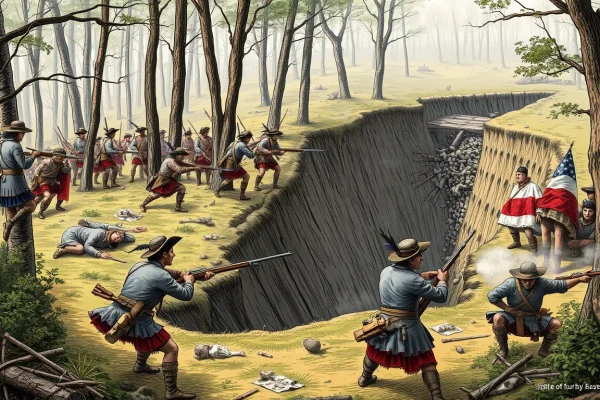
Andrew Jackson led American forces during the Creek War (1813–1814), a conflict intertwined with the War of 1812. His victory at the Battle of Horseshoe Bend broke Red Stick resistance, leading to the Treaty of Fort Jackson and the cession of millions of acres of Creek land.

Read More →

Gordon Drummond and the Niagara Campaign

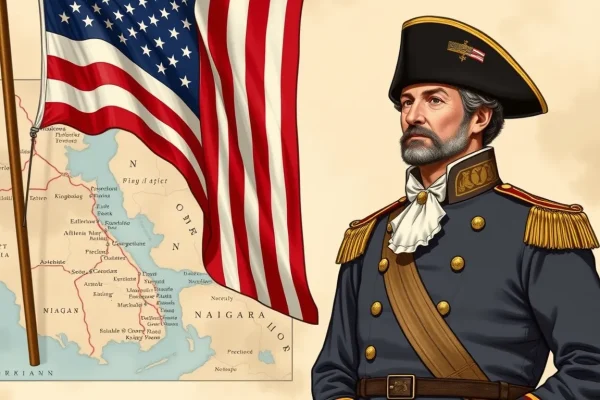
Gordon Drummond, a British lieutenant general and the first Canadian-born officer to command both military and civil government in British North America, led the Niagara Campaign of 1814. His leadership at the Battle of Lundy’s Lane and the subsequent siege of Fort Erie helped repel the American invasion of Upper Canada.

Read More →